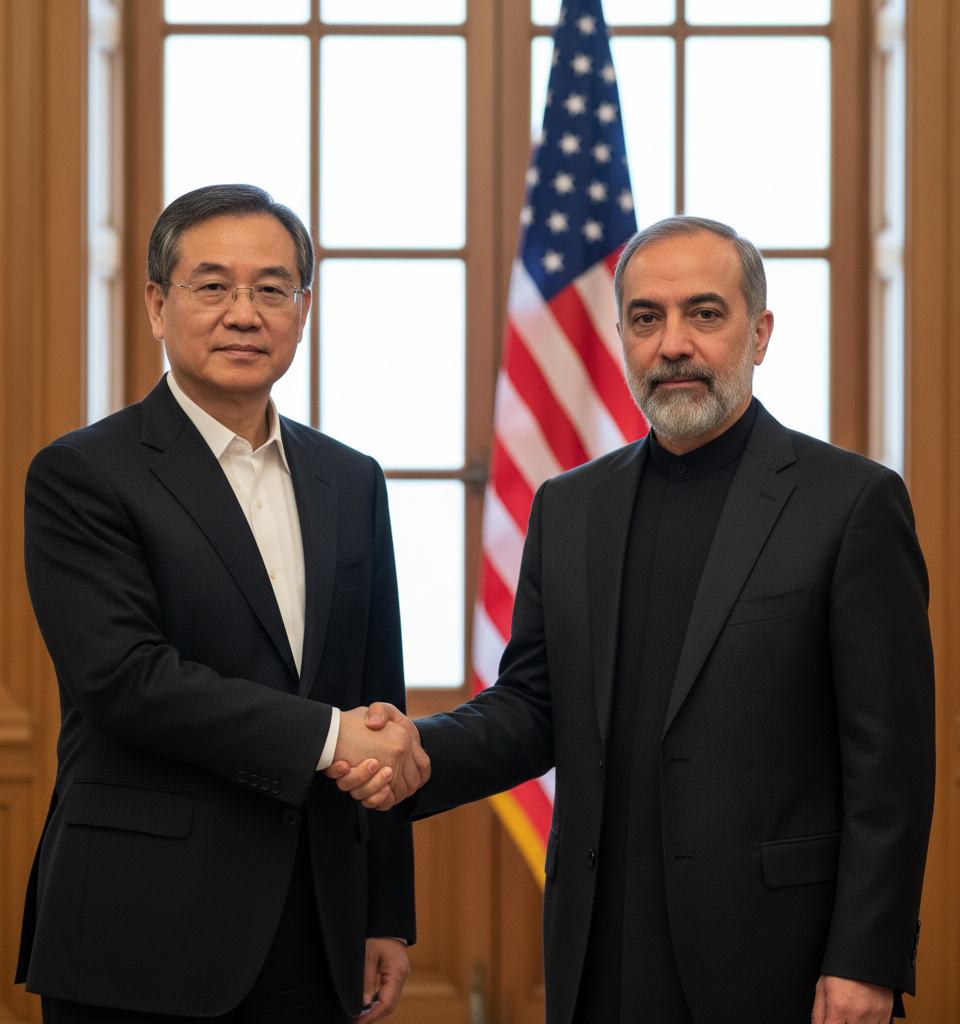
BEIJING – As global tensions simmer amidst the protracted conflict in the Middle East, China is charting a course of strategic non-intervention regarding U.S. demands on Iran. Despite significant economic ramifications for the global economy, including disruptions to vital energy supply chains and regional trade routes, Beijing appears committed to avoiding direct pressure on Tehran to concede to Washington's terms. This measured stance reflects China's calculated assessment of its limited leverage, its historical opposition to external interference in sovereign affairs, and a desire to safeguard its long-term geopolitical and economic objectives.
This deliberate distance is rooted in a complex interplay of historical precedent and contemporary strategic calculus. Beijing has consistently advocated for a multilateral approach to international disputes and has been a vocal opponent of unilateral sanctions or coercive diplomacy. Furthermore, China views the Middle East as a region where its primary interests lie in stable energy supplies and the advancement of its Belt and Road Initiative (BRI), rather than becoming embroiled in deeply entrenched political conflicts. Its relationship with Iran, though primarily economic, is nurtured carefully to maintain a diversified energy portfolio and secure a strategic partner in the region.
Key details underpinning China's position include its significant oil imports from Iran, even in the face of U.S. sanctions. While exact figures are often obscured due to the nature of the transactions, estimates from organizations like Kpler and TankerTrackers.com suggest that China remains Iran's largest crude oil buyer, with volumes often exceeding 1 million barrels per day. This crucial economic lifeline for Iran grants China a degree of influence, yet Beijing is reluctant to weaponize this leverage. Instead, it prefers to maintain a degree of strategic ambiguity, allowing it to navigate complex geopolitical landscapes without directly opposing or endorsing either side's maximalist demands. This approach is further reinforced by China's long-standing policy of non-interference in the internal affairs of other nations, a core tenet of its foreign policy doctrine.
The broader industry and market impact of this protracted conflict and China's stance are substantial. Continued instability in the Strait of Hormuz, a critical chokepoint for global oil shipments, maintains a risk premium on crude oil prices, impacting economies worldwide. Major shipping companies have reported increased insurance costs and rerouting efforts, adding to supply chain strains already exacerbated by other global events. For China, while it benefits from discounted Iranian oil, the overall instability poses risks to its extensive trade networks and its ambitious BRI projects that traverse the Middle East, potentially deterring crucial investments and disrupting logistics.
Security analysts and foreign policy experts largely concur that China's current approach is pragmatic, albeit perceived by some as opportunistic. Dr. Li Ming, a senior researcher at the Chinese Academy of Social Sciences, noted in a recent interview, "Beijing prioritizes its own economic stability and energy security. Direct intervention in the U.S.-Iran dynamic would not only risk its standing with both nations but also open it up to potential Blowback without a clear path to resolution." Other geopolitical strategists highlight China's cautious navigation of its relationship with Riyadh and other Gulf states, emphasizing that a strong pro-Iranian stance could jeopardize its broader engagement in the region.
Looking ahead, China's role is expected to remain largely consistent, focusing on economic cooperation and rhetorical calls for de-escalation rather than direct mediation or pressure. Future developments will likely involve Beijing continuing to advocate for diplomatic solutions at various international forums, while simultaneously solidifying its own economic ties with Iran. However, any significant escalation of the conflict, particularly affecting global energy markets or threatening China's direct interests in the region, could force a re-evaluation of its current hands-off strategy, though a drastic shift towards direct intervention remains highly improbable. Beijing's primary objective will continue to be safeguarding its national interests through a policy of strategic patience and non-entanglement.