For global enterprises, optimizing supply chain efficiency and minimizing waste directly impacts operational costs and regulatory compliance across diverse markets. Best Buy's certification of 29 facilities as zero waste establishes a significant benchmark for international logistics and resource management standards.
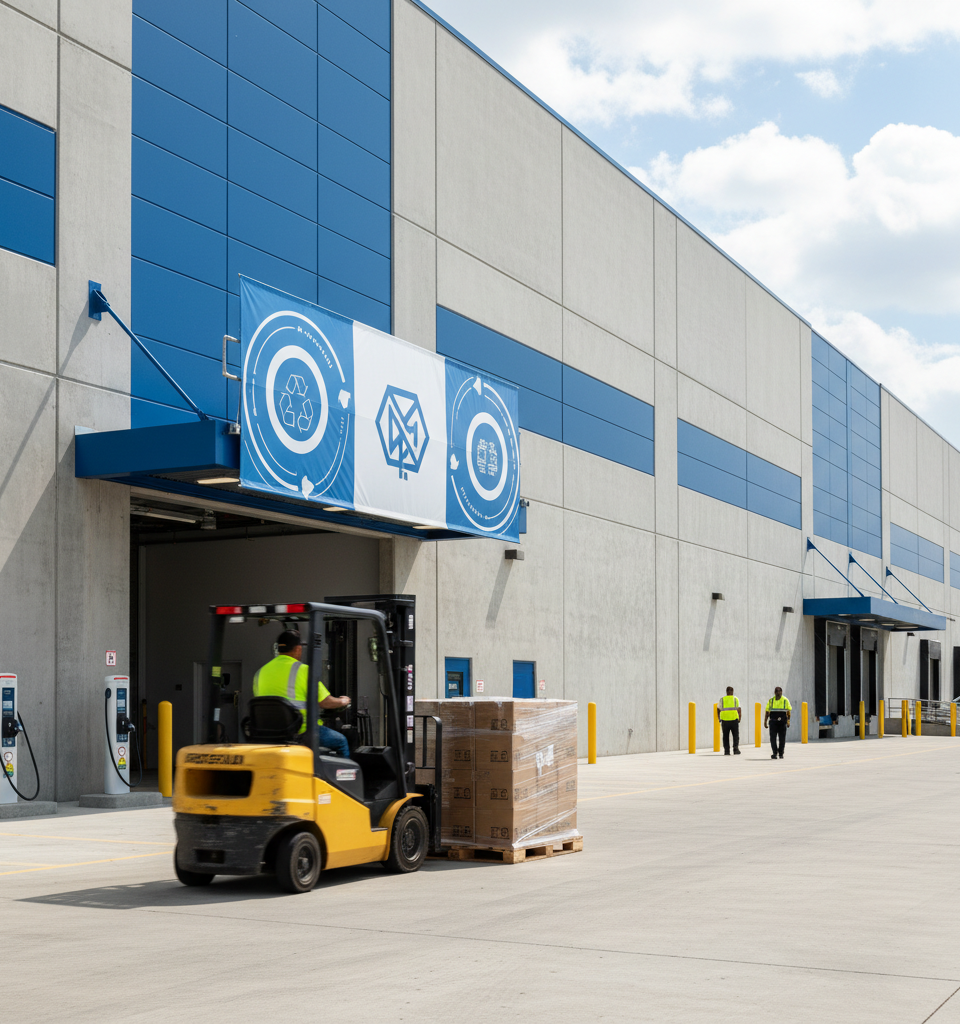
Best Buy, a prominent player in the consumer electronics retail sector, has officially announced that 29 of its supply chain facilities have successfully attained zero waste certification. This accomplishment, revealed today, August 22, 2026, signifies a major step in the company's environmental stewardship efforts, ensuring its operational footprint meets rigorous standards for resource efficiency and waste diversion. The certification applies to critical infrastructure responsible for the flow of goods, from warehousing to distribution.
Setting a New Standard for Sustainability
The move by Best Buy underscores a growing trend among large corporations to integrate aggressive sustainability goals into their core business models. Zero waste certification typically involves diverting 90% or more of all waste from landfills, incinerators, and the environment through reduction, reuse, recycling, and composting. For a company of Best Buy's scale, with a complex network of distribution and logistics centers, achieving this across nearly three dozen facilities represents a substantial operational overhaul and investment in eco-friendly practices. This initiative is part of a broader corporate responsibility strategy aimed at mitigating environmental impact and enhancing operational efficiencies.
Operational Scope and Impact
The 29 certified facilities are central to Best Buy's vast supply chain operations, which facilitate the movement of millions of electronic products annually across North America and beyond. By meeting these demanding zero waste requirements, these facilities are demonstrating best-in-class resource management. This includes meticulous waste stream segregation, optimized packaging strategies, and robust partnerships with recycling and composting service providers. The certification process itself is rigorous, often requiring independent audits and adherence to globally recognized standards for environmental performance. The company has not yet detailed the specific financial investments made to achieve this milestone, but such initiatives often yield long-term savings through reduced waste disposal costs and improved resource utilization.
Broader Industry Implications
This achievement by Best Buy is expected to resonate throughout the retail and logistics industries. It sets a precedent for what is achievable in large-scale supply chain management and may encourage competitors and partners to accelerate their own sustainability agendas. As consumer demand for environmentally responsible businesses grows, companies that can demonstrate tangible results in areas like waste reduction are likely to gain a competitive edge. This also signals to investors and regulators a proactive approach to environmental, social, and governance (ESG) factors, which are increasingly influencing market valuations and compliance frameworks.
The Path Forward
While 29 facilities have been certified, Best Buy's ongoing commitment to sustainability suggests further expansion of these practices across its remaining operational footprint. Future initiatives may include extending zero waste principles to its retail stores, exploring innovative closed-loop systems for product materials, and continuing to collaborate with suppliers on upstream waste reduction. The company's success with its supply chain facilities provides a robust model for other enterprises grappling with the complexities of managing waste in global operations, emphasizing that ambitious environmental goals are attainable with strategic planning and dedicated execution.