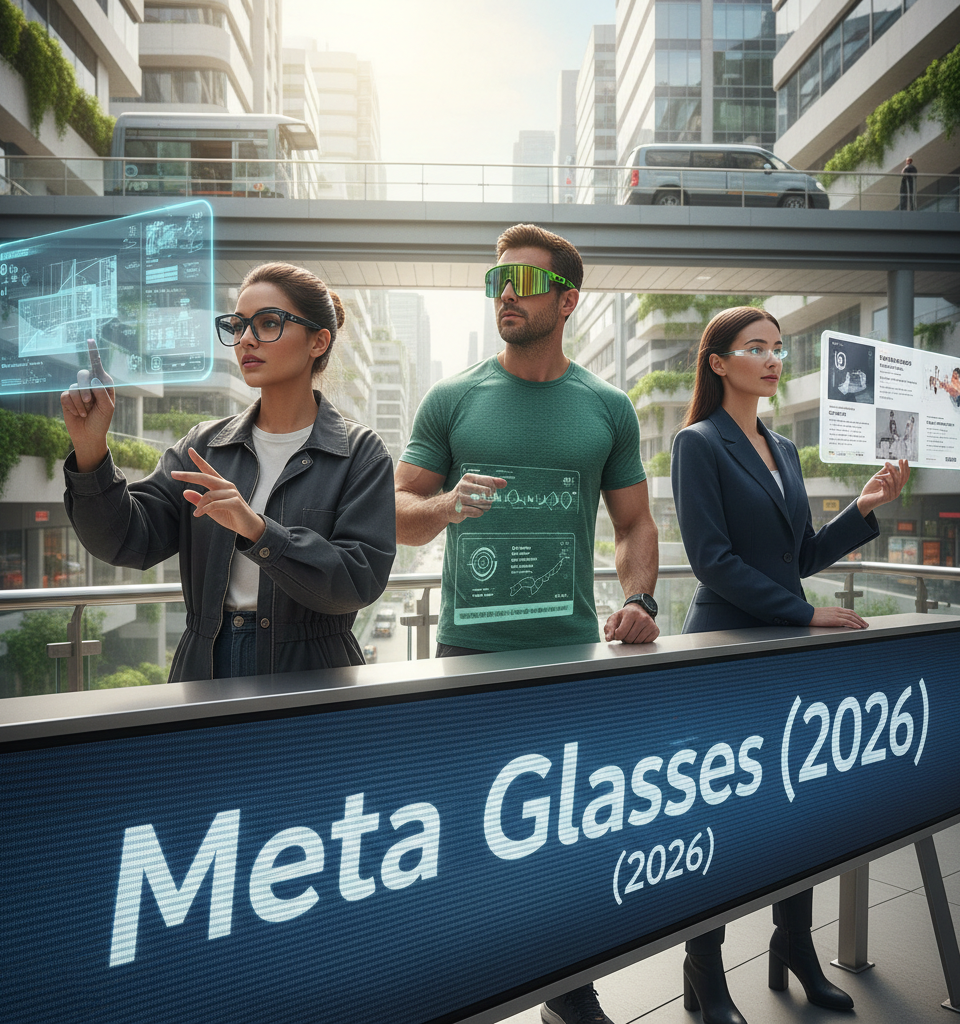
Meta has undeniably established a formidable lead in the competitive face-wearable technology sector, with its latest 2026 offerings, spearheaded by partnerships with iconic brands like Ray-Ban and Oakley, setting new industry standards. While consumer trust in the tech giant continues to be a subject of intense debate, the undeniable sophistication and user-friendliness of these new smart glasses are reshaping perceptions and driving significant market adoption. The devices combine cutting-edge augmented reality (AR) capabilities with sleek, fashionable designs, making them some of the most compelling pieces of personal technology released this year.
The Rise of Fashion-Forward Wearables
This ascent marks a pivotal moment, as Meta, despite its past controversies, has successfully bridged the gap between advanced technology and mainstream fashion. The company’s strategy of collaborating with established eyewear brands like Ray-Ban and Oakley has proven particularly effective, sidestepping the clunky aesthetics that plagued earlier attempts at smart glasses from competitors. This focus on integrated design and user experience is a direct response to market demands for wearables that are not just functional but also aesthetically pleasing and socially acceptable. The 2026 models refine this approach further, offering improved battery life, crisper optics, and more seamless integration with digital ecosystems. This strategic pivot highlights a broader industry trend towards discreet, yet powerful, portable computing devices.
The 2026 collection features significant hardware upgrades, including enhanced micro-LED displays capable of projecting vibrant augmented reality overlays directly into the wearer’s field of vision. Sources close to the development team, who wished to remain anonymous due to non-disclosure agreements, confirm these models boast a new generation of Meta's proprietary AR chip, offering real-time object recognition and spatial mapping with unprecedented accuracy. The Ray-Ban X Meta 'Horizon Luxe' glasses, for instance, include a refined 12MP camera for high-quality photo and video capture, integrated directional audio, and intuitive touch controls discreetly embedded within the temple arms. Oakley's 'Prizm Vision Pro' variant, geared towards athletes, incorporates specialized lenses and robust waterproofing, demonstrating Meta's intent to capture diverse market segments.
Impact on the Wearable and Eyewear Industries
These advancements are sending ripples throughout both the traditional eyewear and nascent smart wearable industries. Legacy eyewear manufacturers are facing mounting pressure to either innovate or partner with tech giants, as consumers increasingly expect more than just vision correction or sun protection from their glasses. The success of Meta's ventures is also spurring increased investment in AR research and development from competitors, accelerating the timeline for truly immersive augmented reality experiences. Analysts predict a significant consolidation in the wearable market, with companies unable to match Meta's blend of technological prowess and brand appeal potentially being left behind. The landscape for personal computing is rapidly evolving, extending beyond smartphones to encompass more integrated and discreet devices.
Industry analysts are largely optimistic about the market potential, though cautious about the underlying data privacy implications. "Meta has cracked the code on making smart glasses desirable, which is a hurdle many failed to clear," notes Sarah Chen, a senior analyst at Tech Insights Group. "The sheer volume of data these devices can collect – from biometric information to environmental scans – presents both immense opportunities for personalized services and significant challenges for user trust. The company's transparency and data governance will be critical in sustaining this growth." Andrew Vance, CEO of a prominent AR startup, adds, "Their move ensures AR isn't just a niche product; it's becoming a mainstream utility, forcing everyone to elevate their game."
The Road Ahead: Privacy and Ecosystem Expansion
Looking ahead, Meta's strategy will likely focus on further expanding the utility of its smart glasses ecosystem. We can anticipate deeper integration with Meta's virtual and augmented reality platforms, including expanded app support and developer tools that leverage the enhanced AR capabilities of the 2026 models. The company is reportedly investing heavily in 'contextual AI,' allowing the glasses to offer more intelligent and personalized information based on the user's environment and activities. However, regulatory scrutiny over data collection and privacy is expected to intensify, potentially leading to new legislative frameworks governing wearable technology. Meta's ability to navigate these complex ethical and legal landscapes will be paramount to its continued dominance.
Further iterations are expected to push the boundaries of miniaturization and energy efficiency, potentially enabling full-day battery life and even more discreet designs. Investments in innovative materials and power sources are key areas of focus. There's also speculation about advanced biometric sensors for health monitoring, transforming these glasses into comprehensive wellness devices. The next 12-18 months will be critical for Meta to cement its leadership, not only by introducing more groundbreaking features but also by proactively addressing the deep-seated concerns around privacy and data security that continue to shadow its ambitious vision for the future of wearable technology.