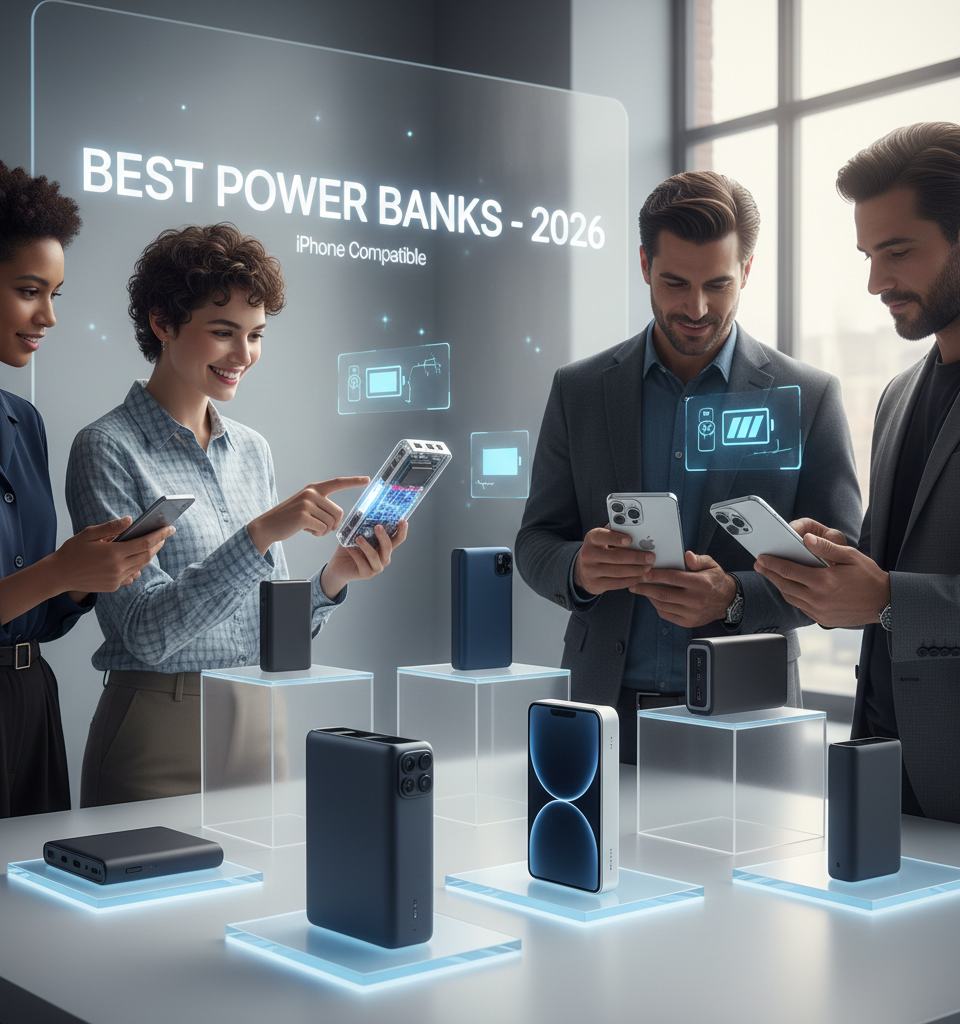
As of May 19, 2026, the market for iPhone power banks presents a dynamic landscape characterized by rapid technological advancements and increasing consumer demand for portable charging solutions. A recent extensive testing initiative has provided a detailed look into the best options available, segmenting the market into premium, feature-rich devices and accessible, cost-effective models. This evaluation is particularly salient given the continuous evolution of iPhone capabilities and the growing reliance on mobile devices for daily tasks, making reliable portable power a critical accessory.
The testing protocol encompassed a variety of power bank designs and functionalities, focusing heavily on performance characteristics relevant to iPhone users. Key among these were MagSafe compatibility, a feature now prevalent in many premium iPhone models, and the integration of the latest wireless charging standards. The emergence of ultrafast 25-watt Qi2 wireless charging in several tested units marks a significant leap from previous generations, promising quicker and more efficient power delivery to compatible devices. This development directly addresses a persistent consumer desire for reduced charging times, particularly in on-the-go scenarios where every minute counts.
Advancements in Wireless Charging and MagSafe Integration
The integration of 25-watt Qi2 wireless charging represents a pivotal advancement in the portable power bank sector. This standard not only offers faster charging speeds compared to older Qi versions but also benefits from enhanced power efficiency, reducing energy loss during the wireless transfer process. For iPhone users, especially those with newer MagSafe-enabled models, these devices provide a seamless and secure attachment, ensuring optimal alignment for charging and minimizing interruptions. The magnetic connection provides both convenience and reliability, distinguishing these premium offerings from generic wireless chargers that may require precise placement.
Simultaneously, the market continues to cater to budget-conscious consumers through a range of more affordable power banks. These models, priced under $20, demonstrate that effective portable charging doesn't always necessitate a hefty investment. While they may forgo the latest wireless charging standards or MagSafe compatibility, these economic options still provide essential power top-ups, proving vital for users who prioritize cost-effectiveness or require a backup solution for less intensive uses. The availability of such varied price points underscores the industry's commitment to serving a broad spectrum of consumer requirements, from cutting-edge tech enthusiasts to everyday users seeking basic functionality.
Market Implications and Consumer Choices
The findings from this comprehensive testing are expected to significantly influence consumer purchasing decisions in the coming months. With a clear delineation between high-performance, technologically advanced power banks and their more affordable counterparts, consumers can make informed choices based on their specific needs and budgetary constraints. The push towards higher wattage wireless charging standards like Qi2 is indicative of a broader industry trend towards faster, more convenient power solutions, mirroring advancements seen in wall chargers and integrated device charging.
For manufacturers, the insights gleaned from these tests highlight successful product differentiators and areas for potential innovation. Companies offering MagSafe-enabled, 25-watt Qi2 power banks are likely to command a premium segment of the market, appealing to early adopters and users who prioritize speed and convenience. Conversely, firms specializing in sub-$20 power banks continue to capture a substantial share by providing essential functionality at an accessible price point, crucial for market penetration and catering to a wider demographic. The continued evolution of battery technology, including improvements in energy density and charge cycles, further contributes to the overall value proposition of these portable charging devices, enhancing their longevity and reliability.
The Landscape Ahead for Portable Power
Looking ahead, the portable power bank market is anticipated to maintain its rapid pace of innovation. Future developments could include even higher wattage wireless charging, multi-device charging capabilities that optimize power distribution, and the incorporation of more sustainable materials in product design. As smartphones become even more integral to daily life, the demand for robust and efficient portable charging solutions will only escalate. The current assessment serves as a critical benchmark, illustrating the diverse options available and setting the stage for future advancements in how we power our essential mobile technologies.