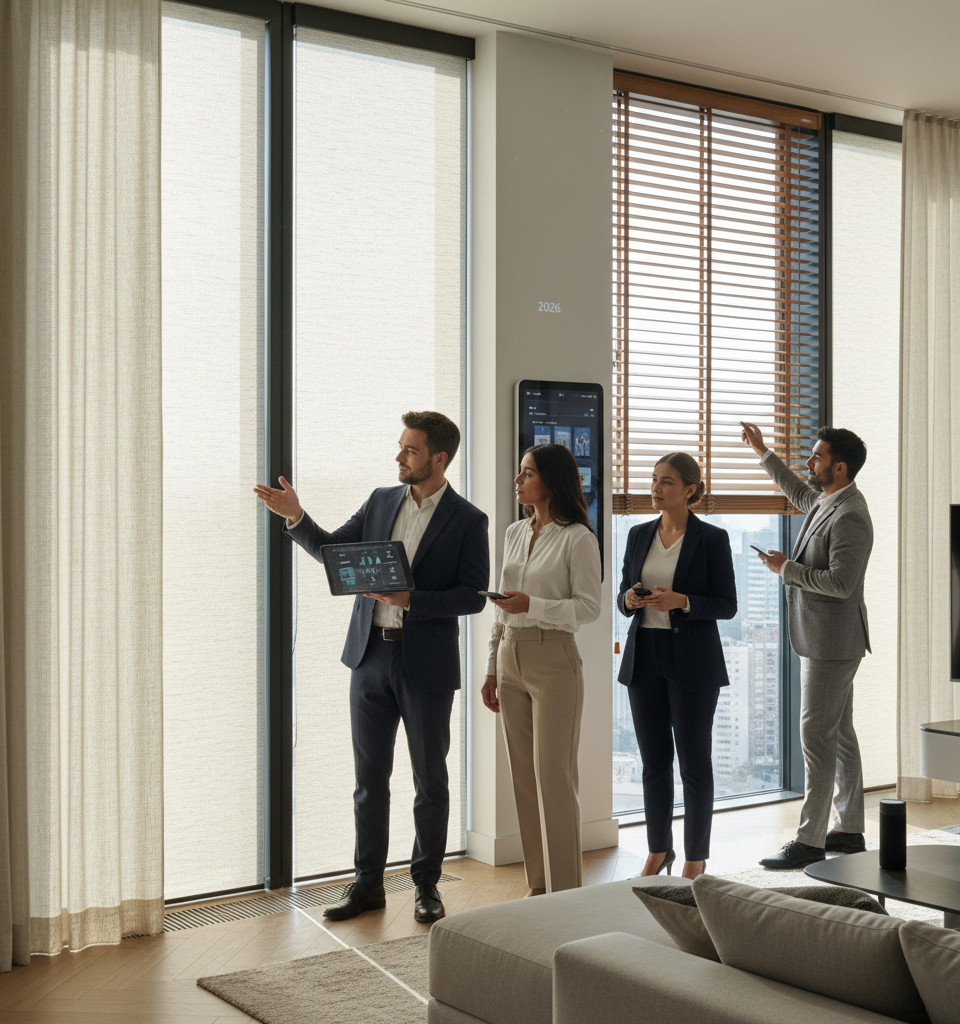
As the smart home ecosystem continues its expansion, the integration of automated window treatments has become a significant focal point for consumers seeking convenience, energy efficiency, and enhanced privacy. WIRED's latest assessment for 2026 identifies a diverse array of top-tier smart shades, blinds, and curtains, underscoring the advancements in motorization, customization, and user-friendly retrofitting solutions.
The evaluated products represent the current pinnacle of smart drapery technology, moving beyond simple remote control to offer seamless integration with broader smart home platforms. This category's growth is driven by consumer demand for sophisticated, yet accessible, technology that simplifies daily routines and contributes to a more sustainable living environment. The emphasis on both 'made-to-measure' options and 'retrofit curtain bots' illustrates a market catering to a wide spectrum of needs, from new installations to upgrading existing window coverings.
The Evolution of Smart Window Treatments
The landscape of smart window treatments has undergone a notable transformation in recent years. What began as a niche luxury product has evolved into a more mainstream offering, with an increasing number of manufacturers entering the market. This competitive environment has spurred innovation, leading to more reliable motors, quieter operation, and enhanced connectivity options. The products highlighted by WIRED for 2026 reflect this progression, showcasing systems that are not only functional but also aesthetically integrated into modern living spaces.
The review specifically calls attention to solutions that offer significant benefits in various aspects of home management. For instance, motorized shades offer unparalleled convenience, allowing users to control natural light and privacy with the touch of a button or via voice command. This is particularly beneficial for hard-to-reach windows or for creating pre-programmed schedules that align with daily routines. Beyond convenience, integrated smart shades can contribute to energy savings by intelligently managing solar gain, reducing the reliance on air conditioning during warmer months and retaining heat in colder periods.
Customization Versus Retrofit: Addressing Diverse Needs
WIRED's selection meticulously balances options between made-to-measure smart shades and versatile retrofit curtain bots. The made-to-measure category caters to consumers looking for bespoke solutions that perfectly fit unique window dimensions and interior design aesthetics. These often come with premium materials and advanced motorization systems, offering a high degree of integration and a seamless finish.
Conversely, retrofit curtain bots provide an accessible entry point into smart window automation for those who are not ready to replace their existing curtains or blinds. These innovative devices attach to current window treatments, motorizing them without the need for extensive installation or costly overhauls. This dual approach signifies a mature market accommodating different budgets and levels of commitment to smart home integration, ensuring that a broader audience can benefit from these technologies.
Market Impact and Future Outlook
The continued advancements in smart window technology are poised to have a significant impact on both the smart home market and interior design industry. As these systems become more sophisticated and affordable, they are likely to become standard features in new home constructions and renovations. The emphasis on energy efficiency also aligns with broader environmental trends and consumer interest in sustainable living solutions, further driving adoption.
Looking ahead, the next generation of smart shades, blinds, and curtains is expected to feature even more advanced sensor technology, allowing for hyper-localized environmental control. Integration with AI-driven home assistants is projected to become more seamless, anticipating user needs and adjusting window treatments autonomously based on weather forecasts, time of day, and even the occupancy of a room. This trajectory suggests a future where window coverings are not just aesthetic elements but active participants in creating an optimized, comfortable, and energy-efficient living environment.