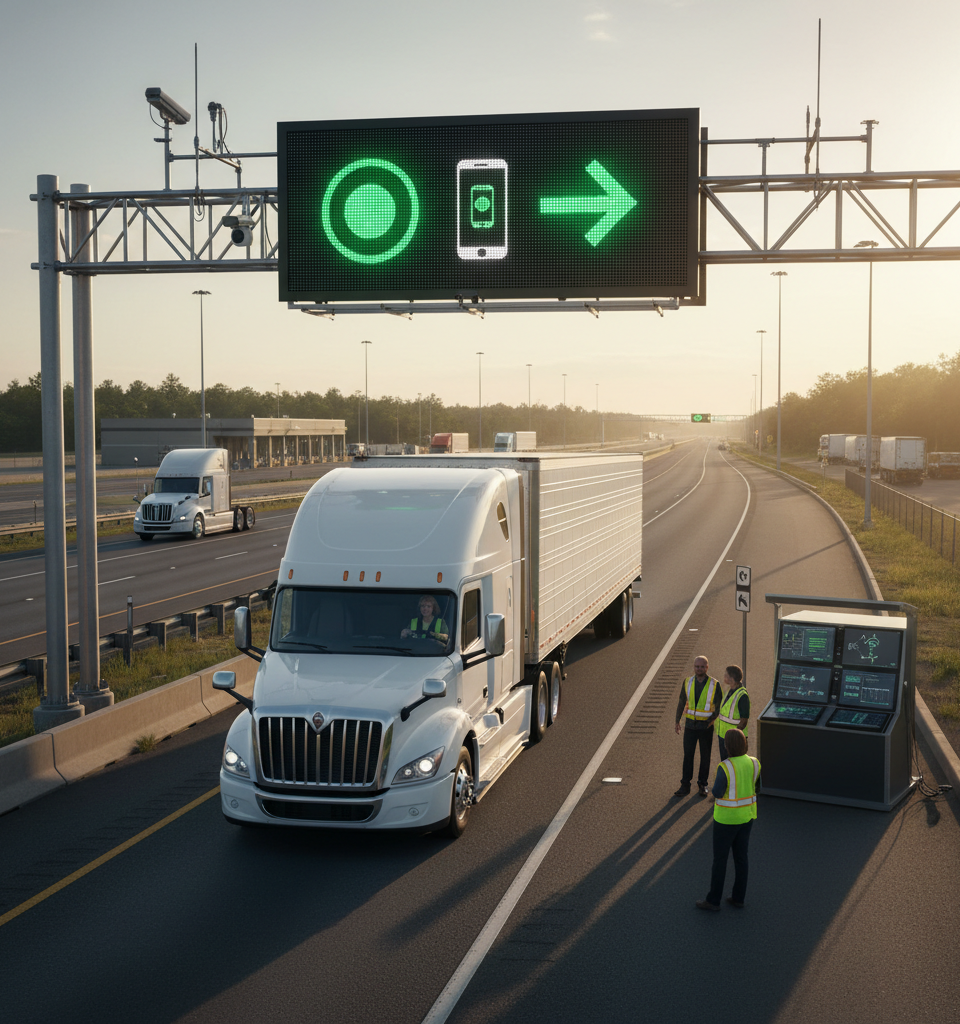
Commercial trucking fleets are increasingly embracing mobile application-based weigh station bypass systems, drawn by their rapid deployment, hardware-free implementation, and broad coverage of screening locations. This technological shift aims to significantly reduce costly and time-consuming truck stops, thereby improving freight movement efficiency. However, a growing consensus among industry analysts and logistics professionals suggests that while these apps offer more chances for bypass, they do not inherently guarantee reliable results or optimal fleet performance, necessitating a more comprehensive approach to weigh station management.
The Promise and Pitfalls of App-Based Bypass
The allure of mobile bypass systems is clear: they leverage existing smartphone technology to communicate with weigh station screening systems, theoretically allowing compliant trucks to bypass inspection points without dedicated onboard transponders. This innovation addresses several pain points, including the upfront cost and installation time associated with traditional transponder-based systems. For fleets operating on tight margins, every minute saved from an unnecessary stop translates directly into fuel savings, reduced driver hours-of-service consumption, and improved delivery schedules. Yet, their reliance on factors like cellular signal strength, app functionality, and state-specific regulations introduces a layer of unpredictability that can undermine their perceived efficiency.
Data Reveals Disparities in Reliability
While specific, publicly available data comparing the bypass success rates of app-based solutions versus transponder systems is often proprietary, anecdotal evidence and industry reports suggest variances. For instance, a major logistics firm, speaking off the record, indicated that while their app-based bypass attempts increased by 30% last quarter, the actual bypass success rate remained stagnant at 75% in some corridors, lagging behind the 90-95% success rate observed with hybrid transponder/app solutions. This disparity highlights a critical gap between access to bypass opportunities and the consistent achievement of bypasses.
Industry Impact: A Patchwork of Efficiency
The widespread adoption of app-based bypass is creating a somewhat fragmented landscape of efficiency within the trucking industry. Smaller carriers, often lacking the capital for large-scale transponder deployments, are finding these apps particularly beneficial for an initial foray into weigh station automation. This democratizes access to bypass technology to some extent. However, larger, enterprise-level fleets are discovering that a mixed strategy, integrating both transponder and app-based solutions, yields the most robust and reliable outcomes. As one leading logistics consultant, Dr. Amelia Rodriguez, stated, "While app-based systems are a fantastic entry point, true optimization for high-volume operations demands redundancy and guaranteed performance, which a multi-modal approach delivers."
Expert Perspective: Redundancy is Key
Transportation technology experts emphasize that the core issue is not the efficacy of mobile apps themselves, but the potential for single-point failure when they are the only method deployed. "A dedicated transponder system offers a higher degree of signal reliability and is often preferred by weigh station authorities due to established communication protocols," explains John Davies, Senior Analyst at FreightTech Insights. "When an app fails due to software glitches, poor connectivity, or a state's system preference, a transponder can act as a crucial backup, ensuring that a compliant truck still receives its bypass." This redundancy is paramount for fleets operating under strict just-in-time delivery schedules where even a single unexpected stop can have cascading economic repercussions, costing hundreds of dollars in lost productivity and fuel.
The Hybrid Imperative: Future-Proofing Fleet Operations
The future of weigh station bypass appears to lie in a hybrid model, combining the broad reach and ease of deployment of mobile applications with the established reliability and higher success rates of dedicated transponder systems. Industry leaders are increasingly recommending that fleets evaluate their operational needs, routes, and risk tolerance to implement a layered approach. This might involve deploying transponders on core routes with high weigh station density and supplementing with mobile apps for less frequent or emergent bypass opportunities. This strategic integration not only minimizes unscheduled stops but also provides a more resilient and adaptable solution for navigating the evolving landscape of commercial vehicle inspections.
What's Next: Integrated Fleet Management Platforms
Looking ahead, the trend points towards deeply integrated fleet management platforms that seamlessly incorporate various bypass technologies alongside other telematics and compliance tools. These platforms will offer real-time analytics on bypass success rates across different methods and locations, enabling fleet managers to make data-driven decisions on which bypass technology to prioritize for specific routes or drivers. The goal is a highly sophisticated, self-optimizing system that maximizes uptime, minimizes expenses, and ensures regulatory compliance with unwavering consistency, moving fleets far beyond the limitations of a single bypass method.