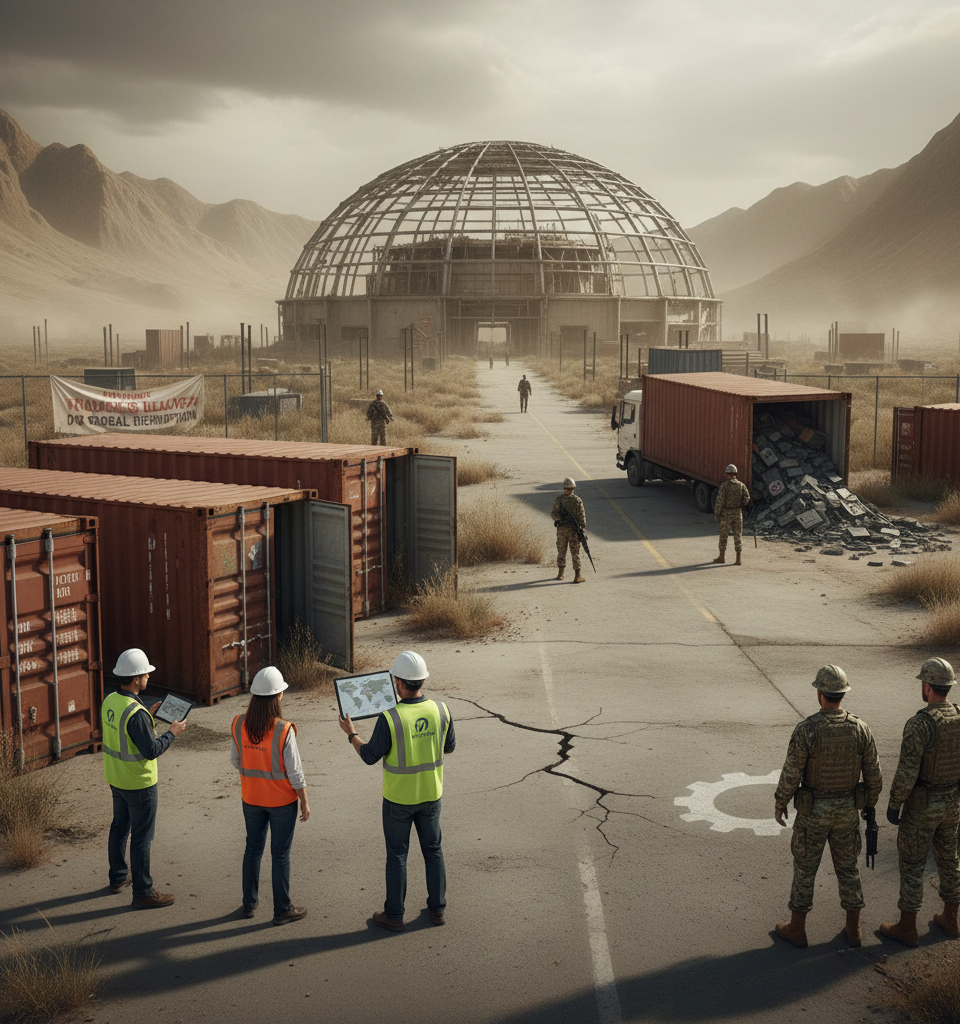
WASHINGTON D.C. — In a dramatic pivot towards sustainable, high-density energy, prominent technology giants, including Microsoft and Amazon, are increasingly funneling billions into the development and adoption of Small Modular Reactors (SMRs) to satiate the insatiable power demands of their burgeoning Artificial Intelligence (AI) data centers. This strategic shift, however, is now confronting a formidable and multifaceted wall: a severe global deficit in high-assay low-enriched uranium (HALEU) fuel, a critical shortage of specialized nuclear welders and engineers, and the escalating geopolitical dominance of nations like Russia and China in the advanced nuclear sector. This confluence of challenges threatens to not only stall Big Tech's ambitious energy transition but also complicate global efforts towards decarbonization.
The Unfolding Energy Crisis for AI
The burgeoning AI revolution, with its computationally intensive models and ever-expanding data centers, has exposed a looming energy crisis. Traditional power grids, often reliant on fossil fuels and facing grid constraints, are proving inadequate for AI's exponential growth. SMRs, championed for their smaller footprint, modular construction, and potential for rapid deployment, were initially seen as the panacea. The promise of clean, consistent, and localized power has driven significant investment, with multiple tech firms reportedly exploring or committing to SMR deployment by the early 2030s. The urgency is underscored by projections indicating that data centers could consume over 8% of global electricity by the end of the decade, a significant portion driven by AI workloads.
HALEU: The Achilles' Heel of Advanced Nuclear
At the heart of the current predicament lies HALEU, a specialized uranium fuel enriched to between 5% and 20% U-235 (compared to less than 5% for traditional reactor fuel). Crucially, over 90% of the world's currently available HALEU is produced by Tenex, a subsidiary of Russia's state-owned Rosatom. The ongoing geopolitical tensions, particularly the war in Ukraine and subsequent sanctions, have created an untenable reliance on a single, adversarial supplier. This choke point not only introduces significant supply chain risk but also provides Russia with considerable leverage over nations pursuing advanced nuclear technologies. Western efforts to establish independent HALEU production have been slow, with the first commercial-scale U.S. plant by Centrus Energy only recently coming online, but its output is currently insufficient to meet projected demand.
The Disappearing Workforce: A Skills Gap Catastrophe
Beyond fuel, the nuclear industry faces a critical shortage of skilled labor. Decades of underinvestment and the lengthy development cycles for nuclear projects have led to a brain drain, with an aging workforce and insufficient numbers of new graduates entering specialized fields like nuclear engineering, high-integrity welding, and reactor operations. Building an SMR requires highly specialized expertise and certifications, a gap that cannot be quickly or easily filled. Analysts estimate that the industry will need tens of thousands of new skilled workers globally within the next decade, a demand that current educational and training pipelines are struggling to meet. This labor shortage significantly inflates project costs and extends timelines, further hindering SMR deployment.
Geopolitical Realignment: Russia and China's Nuclear Ascendancy
While Western nations grapple with these internal challenges, Russia and China have been aggressively expanding their nuclear capabilities and exports globally. Rosatom operates the most advanced integrated nuclear fuel cycle in the world, from mining to enrichment to reactor construction. China, meanwhile, has an ambitious domestic SMR program and is actively exporting its reactor designs and construction expertise, particularly to developing nations. This strategic advantage allows them to offer comprehensive packages, including financing, training, and fuel supply, creating deep dependencies and expanding their geopolitical influence. This competitive landscape highlights the urgent need for Western nations to re-establish their leadership in nuclear technology and supply chains.
Expert Insights: A Call for Urgent Policy Intervention
Nuclear industry experts and energy analysts are sounding the alarm. Dr. Sarah Jenkins, an energy policy specialist at the Carnegie Endowment, noted, "Big Tech's foray into SMRs is a necessary step, but the current vulnerabilities in the HALEU supply chain and the chronic skills gap are not just business risks; they are national security concerns. A concerted, government-backed effort is needed to de-risk these investments and build resilient domestic capacities." She emphasizes the need for significant public-private partnerships, streamlined regulatory processes, and aggressive workforce development programs to avoid project delays stretching into the 2040s.
Looking Ahead: A Race Against Time
The immediate future necessitates a multi-pronged approach. Governments must accelerate investments in domestic HALEU production, diversify international supply sources, and establish strategic fuel reserves. Simultaneously, robust workforce development initiatives, including attractive apprenticeships, university programs, and training centers, are essential to cultivate the next generation of nuclear professionals. Big Tech, for its part, may need to collaborate more closely with governments and invest directly in raw material extraction and processing, moving beyond merely being end-users. Without a comprehensive and immediate 'Plan B' addressing these fundamental resource and labor deficiencies, Big Tech's vision for AI-powered data centers fueled by clean nuclear energy risks remaining an unfulfilled fantasy, with significant implications for global technological competitiveness and climate goals.