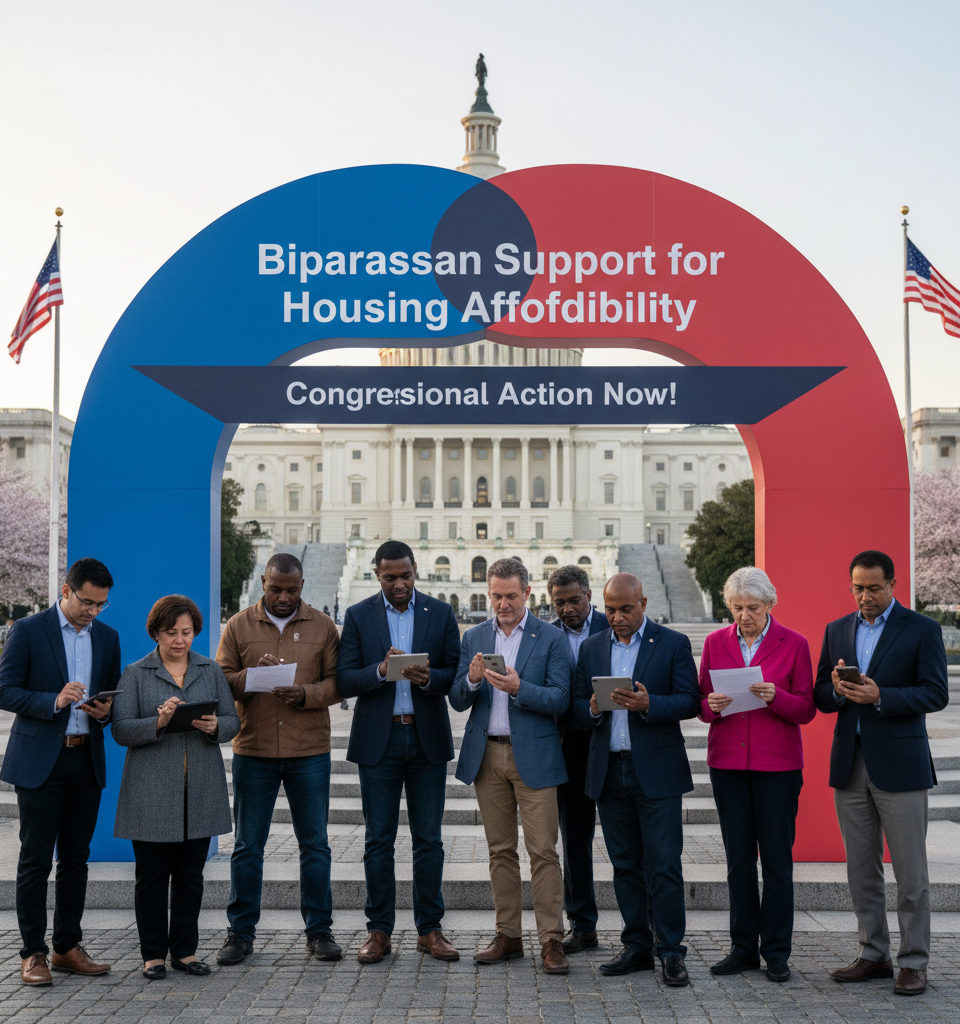
Washington D.C. — A recent comprehensive survey conducted by the Bipartisan Policy Center (BPC) indicates a powerful, unified public desire for congressional intervention in the nation's soaring housing costs. The poll, which surveyed 1,000 registered voters, found that a striking 83% believe Congress should actively work to improve housing affordability. Furthermore, an even higher 89% expressed a clear expectation for both the House and Senate to pass legislation specifically designed to lower these expenses.
The Urgency of the Housing Crisis
This widespread sentiment underscores the growing severity of the housing crisis impacting millions of American households. For years, housing costs—encompassing rent, mortgage payments, and home prices—have steadily outpaced wage growth, pushing homeownership out of reach for many and forcing a significant portion of the population to allocate an unsustainable percentage of their income to housing. The BPC's findings highlight that this issue transcends traditional partisan divides, with both Republican and Democratic voters identifying it as a critical area for federal action. The affordability crunch affects diverse demographics and regions, from burgeoning metropolitan centers to rural communities.
Key Findings from the BPC Survey
The BPC poll's methodology focused on gauging voter attitudes toward various federal policy levers and the perceived urgency of congressional action. The near-unanimous call for legislative remedies suggests that constituents are feeling the pinch directly and are looking to Washington for solutions. While the poll did not delve into specific policy preferences, the strong consensus around the need for any action is noteworthy. This data point provides a robust mandate for lawmakers to prioritize housing on their legislative agendas, despite other pressing national and international concerns. The 89% figure, specifically, regarding passing a bill, suggests a desire for concrete, tangible outcomes rather than just discussions.
Broader Economic and Societal Impact
The ripple effects of unaffordable housing are profound, extending far beyond individual household budgets. High housing costs contribute to labor shortages in critical sectors as workers struggle to afford living in job-rich areas. They exacerbate poverty, increase homelessness, and can stifle economic growth by limiting consumer spending and capital formation. Businesses also feel the strain, facing challenges in attracting and retaining talent due to the cost of living. The sustained pressure on housing markets has also led to a significant wealth gap, where those who own homes have seen substantial asset appreciation, while non-homeowners face compounding financial hurdles.
Expert Perspectives on Legislative Prospects
Policy experts and housing analysts largely agree that the current congressional landscape presents both challenges and opportunities for addressing housing affordability. "The Bipartisan Policy Center's poll provides unambiguous evidence that housing is no longer just a local or state issue; it's a national imperative with bipartisan support," remarked Dr. Sarah Chen, an economist specializing in urban development.
"While finding common ground on specific legislative proposals can be notoriously difficult, this level of public consensus should motivate lawmakers to transcend partisan stalemates. " Other experts point to the potential for re-evaluating zoning laws an area historically controlled at local levels, but with significant federal implications.
The Path Forward for Congress
Given the overwhelming public mandate, the coming months will likely see increased pressure on Congress to formulate and debate housing-related legislation. Potential avenues for action could include bipartisan efforts to expand the Low-Income Housing Tax Credit (LIHTC), which is the nation's largest affordable housing development program, or establishing new federal matching grants for states and localities that reform restrictive zoning ordinances. Lawmakers may also consider initiatives to boost housing supply through federal construction incentives or programs aimed at supporting first-time homebuyers.
The challenge will be translating this broad consensus into actionable, effective policy that can garner sufficient support in both chambers and navigate the complexities of divided government. The BPC's findings present a unique window for bipartisan cooperation on a critical domestic issue.
Ultimately, the political will to act on housing affordability appears to have strong backing from the American electorate. The question now rests on whether Congress can harness this bipartisan sentiment to deliver meaningful solutions to one of the nation's most pressing economic challenges.