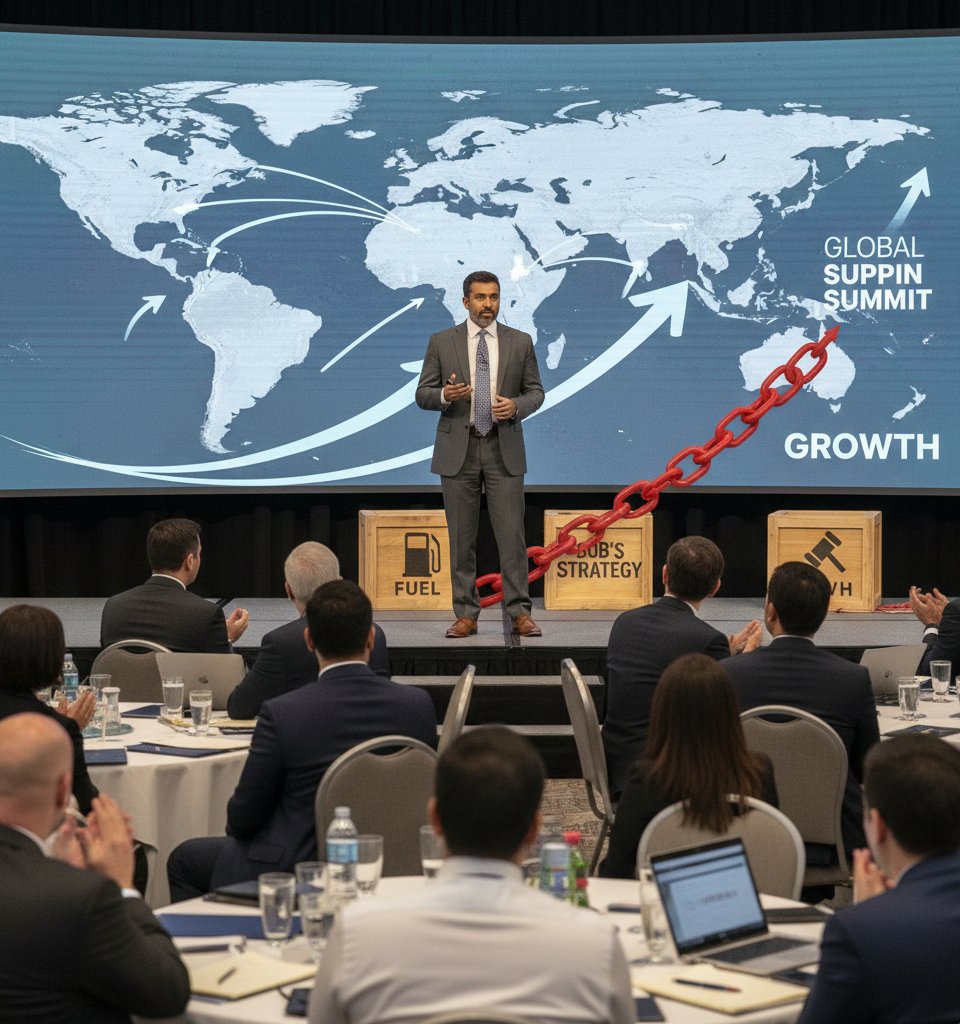
Mattress and furniture giant Bob's Discount Furniture is employing a multifaceted mitigation strategy to counter the significant financial pressures stemming from a 25% tariff on imported upholstery and surging fuel expenses. As detailed by Chief Operating Officer Ramesh Murthy to Supply Chain Dive, the retailer's disciplined three-step playbook is designed to absorb these increased costs while maintaining its value proposition to consumers.
The Rising Tide of Trade Barriers and Operational Costs
This strategic response by Bob's Discount Furniture underscores the broader challenges facing the retail sector, particularly those heavily reliant on global supply chains. The 25% tariff on upholstery, largely originating from China, has been a persistent headwind for furniture retailers since its imposition. Coupled with the volatile and often rising cost of fuel, which directly impacts everything from raw material transport to last-mile delivery, companies like Bob's are forced to innovate their operational and sourcing models to remain competitive. The current economic climate, characterized by inflationary pressures and supply chain disruptions, amplifies the necessity of such robust mitigation strategies.
Bob's Three-Pronged Mitigation Playbook
COO Ramesh Murthy outlined the company's defensive strategy. The first step involves exploring alternative sourcing geographies. By diversifying its supplier base beyond traditionally impacted regions, Bob's can reduce its reliance on goods subject to punitive tariffs.
This entails identifying and vetting manufacturers in countries with more favorable trade agreements or lower production costs. Secondly, the company is actively engaged in strategic price negotiations with existing suppliers. Leveraging its significant purchasing power, Bob's aims to secure more favorable terms that offset some of the tariff and fuel-related increases.
The third and final component of the playbook focuses on optimizing freight and logistics networks. This includes exploring more efficient shipping routes, consolidating shipments, and potentially investing in new logistics technologies to reduce transportation costs per unit. Murthy emphasized the continuous and iterative nature of these efforts.
Broadening Impact on the Furniture and Retail Landscape
Bob's Discount Furniture's proactive measures reflect a wider trend within the furniture industry. Many retailers are grappling with similar challenges, leading to a ripple effect across the supply chain. Manufacturers are being pushed to innovate their production processes and consider alternative locations. Consumers, in turn, may see price adjustments or shifts in product availability as companies adapt. The industry as a whole is undergoing a significant transformation, with a renewed focus on regionalization of supply chains and greater efficiency in logistics to buffer against geopolitical and macroeconomic shocks. This strategic pivot affects everything from material procurement to delivery schedules.
Expert Perspectives on Supply Chain Resilience
Supply chain analysts suggest that Bob's strategy is characteristic of resilient businesses in today's environment. "Diversifying supply chains and optimizing logistics are no longer optional; they are fundamental to survival," notes Dr. Eleanor Vance, a professor of supply chain management at a leading business school. "Retailers that master these elements will be better positioned to navigate future uncertainties, whether they are trade wars or energy crises. The ability to pivot quickly is paramount." Experts also point out that while tariffs can create immediate pain, they often spur innovation in sourcing and efficiency that can benefit companies in the long run.
The Path Forward: Continuous Adaptation and Innovation
Looking ahead, Bob's Discount Furniture is expected to continue refining its mitigation strategies. The company will likely monitor global trade policies closely and adapt its sourcing models accordingly. Furthermore, continued investment in predictive analytics and logistics technology will be crucial for anticipating and responding to future disruptions in fuel prices or other operational costs. The long-term success of this strategy hinges on its ability to maintain a delicate balance between cost containment and delivering value to its extensive customer base amidst an ever-evolving global economic landscape. The ongoing effort highlights that supply chain management is a dynamic and continuous process, not a static solution.
Competitive and Operational Advantages
The ability of Bob's Discount Furniture to effectively manage these external pressures will be a significant factor in its competitive positioning. By absorbing or mitigating these costs internally, the company can avoid passing the full burden onto consumers, thereby maintaining its reputation for affordable furniture. This operational agility also provides a competitive advantage over rivals less equipped to handle such complex financial and logistical challenges. Murthy's insights suggest a deep understanding of the intricacies involved and a commitment to protecting the company’s bottom line and customer loyalty.