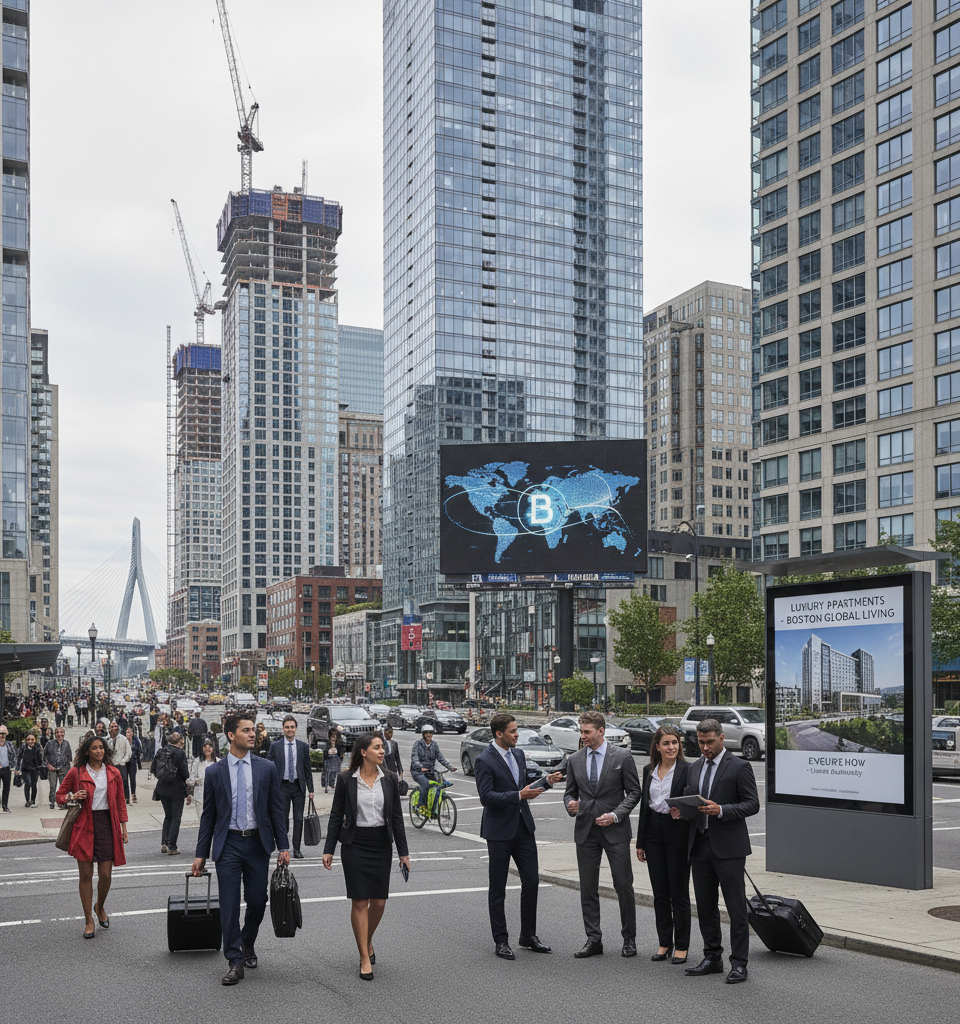
Boston's thriving international business sector is creating a ripple effect across the city's housing market, driving up demand for residential properties at various price points. This boom is particularly evident to real estate professionals, who are observing a marked increase in relocation traffic, a tightening rental market, and a notable uptick in luxury home purchases, all directly attributable to the expansion of global enterprises within the metropolitan area. The sustained growth of Boston as a global economic hub underscores the escalating challenge of accommodating a burgeoning workforce.
This trend is not isolated but rather a direct consequence of Boston's established prowess in sectors like biotechnology, pharmaceuticals, finance, and higher education, which continue to attract significant foreign investment and international talent. The city's reputation as a center for innovation and research serves as a magnet for companies seeking to establish or expand their presence in the United States, thereby necessitating the relocation of key personnel and their families. This influx of international workers creates a consistent need for suitable living accommodations, from entry-level apartments to high-end estates.
For real estate professionals, the impact is multifaceted. Relocation traffic, a key indicator, has seen a substantial rise, with corporate relocation packages often dictating the scope and urgency of housing searches. This not only fuels the purchase market but also places considerable pressure on the rental sector. Anecdotal evidence suggests that prime rental units are being snapped up quickly, often at escalating prices, as new arrivals seek proximate and convenient housing options. The demand is not merely for volume but also for quality, with a particular emphasis on properties that offer modern amenities and access to Boston's vibrant urban core.
The luxury housing market is also a significant beneficiary of this international business expansion. High-net-worth individuals, often executives or leading researchers moving to Boston for long-term positions, are driving a surge in the acquisition of high-end properties. These include penthouses, waterfront condominiums, and spacious family homes in affluent neighborhoods. Such purchases often reflect a desire for stability and investment in a city perceived as having strong long-term growth prospects, further solidifying Boston's stature as a prime destination for global wealth.
Industry analysts and economic observers posit that the current trajectory of international business growth in Boston is sustainable, at least in the medium term. The city's robust ecosystem of educational institutions, venture capital, and cutting-edge industries creates a powerful feedback loop that continues to attract further investment. This sustained growth, however, necessitates ongoing attention to housing supply and affordability, as unchecked demand could exacerbate existing market challenges.
Looking ahead, the interplay between Boston's international business expansion and its housing market is expected to intensify. City planners and developers will likely face increasing pressure to introduce new housing inventory, particularly within key development corridors and transit-oriented communities. The challenge will be to balance the needs of a growing international workforce with the existing demands of the local population, ensuring a diverse and accessible housing landscape. This ongoing dynamic will remain a critical focus for both economic development and urban planning initiatives in the coming years.