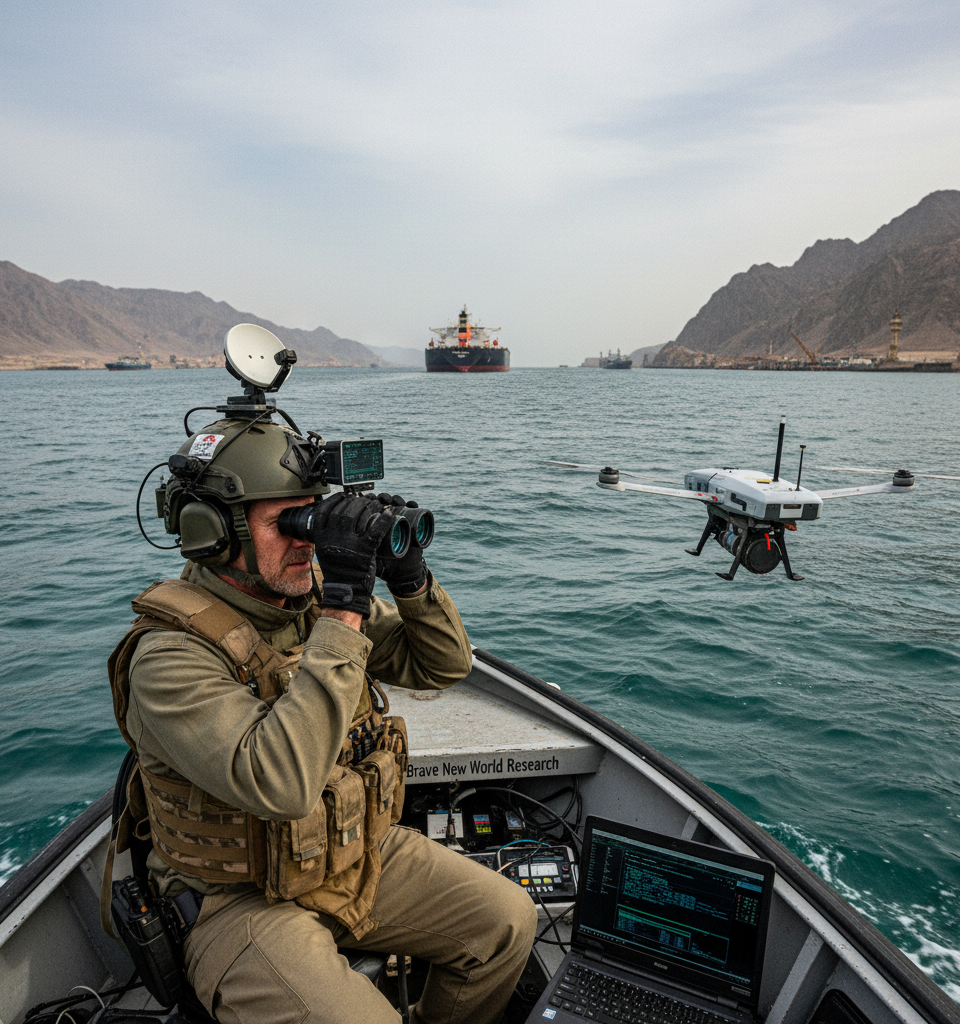
NEW YORK, NY – In an unorthodox and potentially high-stakes move, a burgeoning Wall Street research firm, whose identity remains undisclosed due to security concerns, has dispatched a senior analyst to the perilous Strait of Hormuz. This daring operation, undertaken prior to the commencement of significant hostilities between the U.S., Israel, and Iran, aimed to provide real-time, ground-level intelligence on the critical maritime artery. The firm's objective: to assess the immediate vulnerabilities and operational capacities of the Strait, a vital chokepoint through which approximately 20% of the world's daily oil supply, totaling some 21 million barrels, transits.
The Geopolitical Crucible: Why Hormuz Matters
The Strait of Hormuz holds unparalleled strategic significance in global energy markets. Situated between Iran and Oman, this narrow waterway — only 21 nautical miles wide at its most constricted point — connects the Persian Gulf with the Arabian Sea. Countries like Saudi Arabia, Iraq, UAE, Kuwait, and Qatar rely heavily on the Strait for oil and gas exports. Amid persistent geopolitical instability, particularly with heightened tensions involving Iran, concerns about potential disruptions to maritime traffic have consistently driven crude oil prices higher. The firm's decision to deploy an analyst underscores the acute market anxiety surrounding this geostrategic bottleneck.
Unforeseen Insights from the Front Lines
While specific findings are being held proprietary by the research firm, preliminary reports from the analyst's observation period indicate a complex tapestry of operational challenges and adaptive measures. Sources close to the firm suggest the analyst's report details increased naval patrols, subtle shifts in shipping routes, and the constant psychological pressure on maritime crews traversing the Strait. One key takeaway reportedly highlights the sophisticated, albeit often subtle, cat-and-mouse game played by regional navies, a dynamic largely unseen by satellite imagery or conventional intelligence gathering. The analyst's observations are expected to provide granular detail on transit times, security protocols, and crew sentiments, offering a qualitative edge over quantitative data alone.
Market Implications: Decoding Supply Chain Vulnerability
The insights gleaned from this on-the-ground reporting could profoundly influence market perceptions of global oil supply chain resilience. Traditional analyses often rely on official statements, satellite data, and shipping manifests. However, a human element assessing operational realities, naval readiness, and the inherent risks faced by commercial vessels adds a critical layer of understanding. Any confirmation of increased delays, heightened insurance premiums, or rerouting efforts due to perceived threats could immediately impact spot prices for Brent crude, which frequently serves as a global benchmark. Traders and institutional investors are keenly awaiting the full report, hoping it provides an accurate barometer of the Strait's near-term stability.
Expert Reactions to Unconventional Reporting
Energy market analysts and geopolitical strategists have reacted with a mix of awe and caution to the firm's audacious strategy. "This is an unprecedented level of due diligence for a financial research firm," commented Dr. Eleanor Vance, a senior fellow at the Council on Foreign Relations, speaking to Reuters. "While risky, the data points gathered firsthand from such a critical chokepoint could provide an invaluable, nuanced perspective that algorithms and open-source intelligence simply cannot match." Others have expressed concerns about the safety precedent set, questioning the ethical implications of sending civilian personnel into a potential conflict zone for financial gain.
The Road Ahead: Future of Energy Intelligence
The implications of this unconventional reporting extend beyond immediate market reactions. Should the firm's findings prove accurate and impactful, it could herald a new era for financial intelligence gathering, particularly in volatile regions critical to global commerce. Already, speculation is mounting about how such 'human intelligence' could be integrated into algorithmic trading models and geopolitical risk assessments. The long-term impact on shipping insurance markets, global energy investment strategies, and the methodologies employed by other analytical firms remains to be seen. As geopolitical fault lines continue to shift, the demand for on-the-ground, verifiable intelligence will only intensify, potentially legitimizing such audacious ventures in the future.
Broader Economic Repercussions
Beyond the oil markets, sustained disruption or even the perception of heightened risk in the Strait of Hormuz would have cascading effects on the global economy. Shipping costs for all goods transiting the region would inevitably rise, pushing up import prices and contributing to inflationary pressures worldwide. Major economies reliant on Middle Eastern oil, particularly in Asia, would face significant supply chain vulnerabilities. The incident serves as a stark reminder of the interconnectedness of energy, geopolitics, and global economic stability, underscoring the critical need for accurate and timely information from all possible sources.