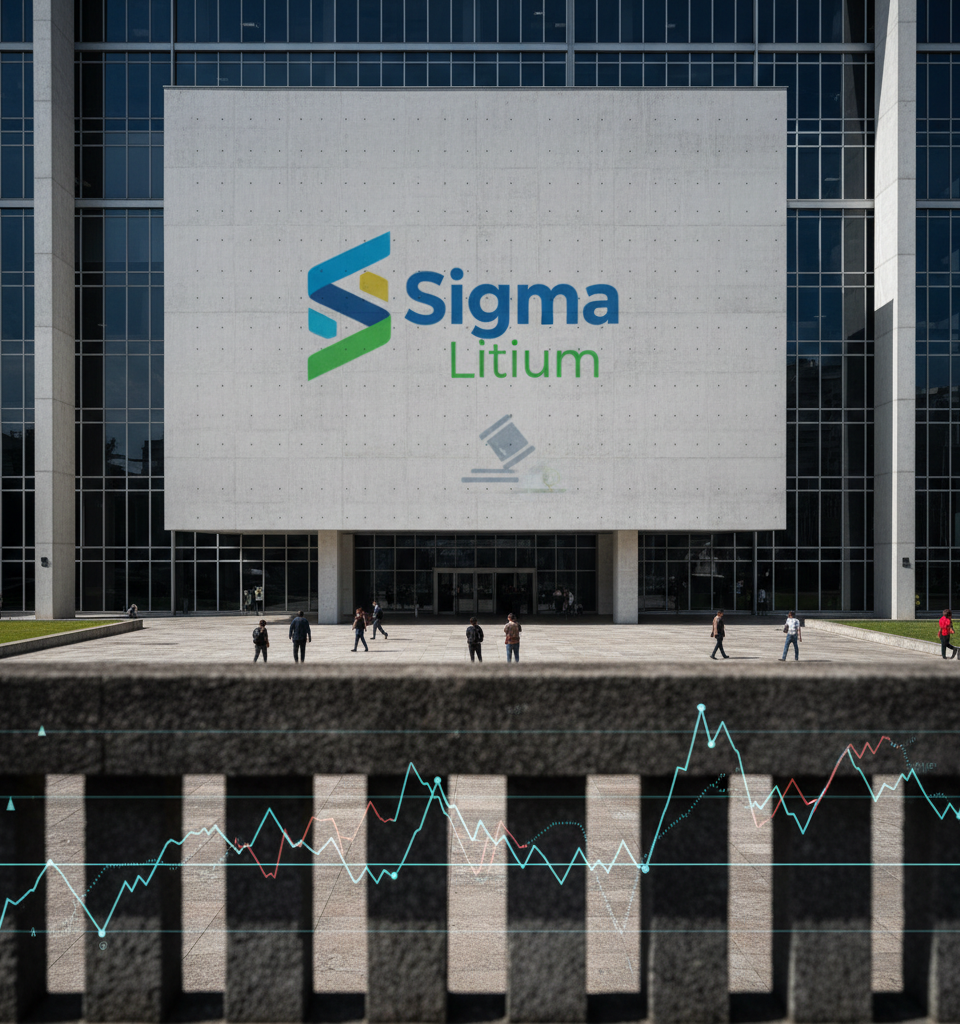
Disruptions to vital resource extraction, such as lithium, directly impact global supply chains and the manufacturing costs for numerous industries. This judicial intervention underscores the increasing regulatory scrutiny affecting international sourcing and production stability.
Court Decision and Immediate Impact
A Brazilian court has issued a ruling that suspends critical operational licenses for Sigma Lithium, effectively halting the company's mining activities. The decision, handed down today, 2026-09-08, marks a significant setback for the lithium producer and raises immediate concerns about its ability to maintain production targets. Sigma Lithium operates a key mine in Brazil, a nation positioned as an important source for battery-grade lithium.
Context of Lithium Production and Demand
Lithium is a crucial component in the production of electric vehicle (EV) batteries and other energy storage solutions. Global demand for lithium has been surging as the automotive industry rapidly transitions towards electrification. Brazil has emerged as a significant player in the global lithium supply chain, with companies like Sigma Lithium investing heavily to ramp up production. Regulatory approvals and environmental licenses are standard requirements for mining operations, and their suspension typically indicates a serious issue that needs to be addressed before work can resume.
Broader Market and Industry Implications
The suspension of Sigma Lithium's licenses could send ripples through the global lithium market. Any reduction in supply from a major producer can influence lithium prices, potentially increasing costs for battery manufacturers and, subsequently, for EV makers and consumers. This event highlights the vulnerability of global supply chains to regulatory and legal challenges, even in established mining jurisdictions. Businesses relying on a stable supply of critical minerals will be closely watching for further developments.
Potential Causes and Next Steps
While the specific reasons for the court's decision were not detailed in the original information, such suspensions often relate to environmental compliance, indigenous land rights, or other regulatory discrepancies. Sigma Lithium will likely need to engage with Brazilian authorities and the court system to understand the precise grounds for the suspension and to formulate a strategy for resolution. This could involve demonstrating compliance with regulations, submitting new environmental impact assessments, or appealing the court's decision. The duration of the suspension will be a critical factor in determining the ultimate impact on the company and the market.
Future Outlook for Lithium Supply
The incident with Sigma Lithium serves as a reminder of the complexities involved in securing raw materials for the green energy transition. As demand for lithium continues to grow, both governments and corporations are under increasing pressure to ensure that mining operations are conducted responsibly and sustainably. Future developments in this case will be closely watched by investors, commodity traders, and manufacturers across the globe, as they gauge the reliability of international mineral supply and the stability of regulatory environments in key producing nations.