The strategic decisions made by pharmaceutical giants like Bristol Myers Squibb on where to site multi-billion dollar manufacturing facilities directly impact global supply chain resilience, sourcing costs, and the geographical distribution of high-value employment. For businesses engaged in international trade, such investments signal shifts in regional economic gravity and potential opportunities for ancillary services or specialized labor, while also highlighting the immense capital outlays required to secure critical production capacity for global markets.
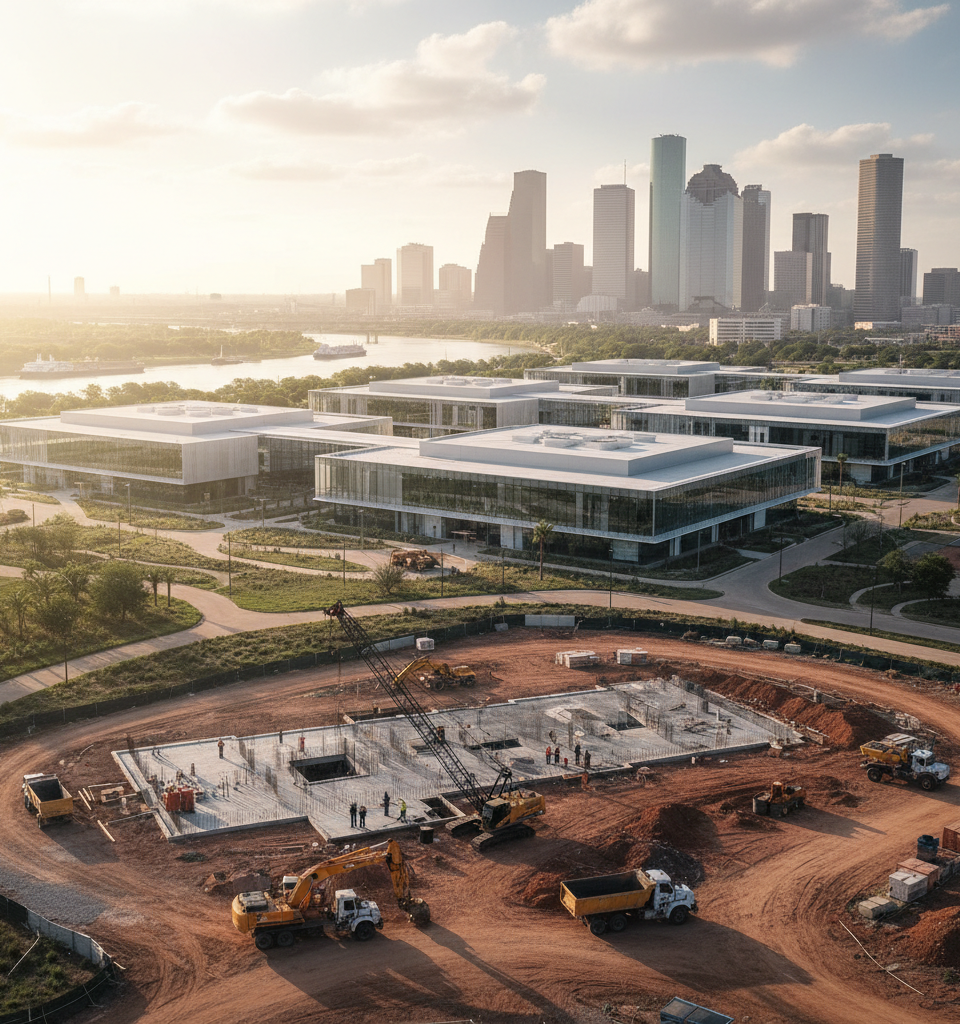
Bristol Myers Squibb (BMS) announced its intention to develop a sprawling 600,000-square-foot manufacturing campus in Houston, Texas, representing a formidable investment of $2.3 billion. This ambitious project underscores the company's commitment to expanding its global production footprint and diversifying its manufacturing capabilities. The new facility is slated to produce a wide array of medicines, reinforcing BMS's position in the competitive pharmaceutical landscape.
Strategic Expansion and Investment
This significant financial commitment highlights a growing trend within the pharmaceutical industry towards enhancing domestic manufacturing capacity, driven by both strategic autonomy and the need for robust supply chains. The $2.3 billion earmarked for the Houston campus positions it as one of the largest single investments in pharmaceutical manufacturing in recent years. The expansive 600,000-square-foot facility is designed to be a versatile production hub, capable of handling a diverse range of pharmaceutical products.
Location and Economic Impact
Houston, a burgeoning hub for medical innovation and biomanufacturing, will gain a considerable economic boost from this development. The construction phase alone is expected to generate numerous jobs, followed by the creation of substantial long-term employment opportunities for skilled workers in pharmaceutical manufacturing, engineering, and research. This move by BMS further solidifies Texas's growing reputation as a key player in the life sciences sector, attracting talent and fostering regional economic development.
Boosting Production Capabilities
The primary objective of the new campus is to augment BMS's capacity to produce a broad spectrum of medicines. This expansion is crucial for the company to meet increasing global demand, optimize its supply chain logistics, and potentially accelerate the delivery of new therapies to patients. The strategic nature of this facility suggests it will play a pivotal role in the company's future product pipeline and market penetration strategies.
Broader Industry Implications
For the pharmaceutical industry, BMS's investment in Houston sends a clear signal about the ongoing re-evaluation of global manufacturing strategies. Companies are increasingly prioritizing resilience and scalability in their production networks. This move could inspire other major players to consider similar large-scale domestic or nearshore investments, potentially shifting the balance of global pharmaceutical manufacturing and supply chain dynamics.
Future Outlook
While specific timelines for construction and operational launch were not detailed in the initial announcement, the scale of the investment suggests a multi-year development project. Once operational, the Houston facility is expected to become a cornerstone of Bristol Myers Squibb's global manufacturing network, contributing significantly to its output and strategic capabilities. Stakeholders will be closely monitoring the progress of this ambitious undertaking, anticipating its impact on both the local economy and the broader pharmaceutical market.