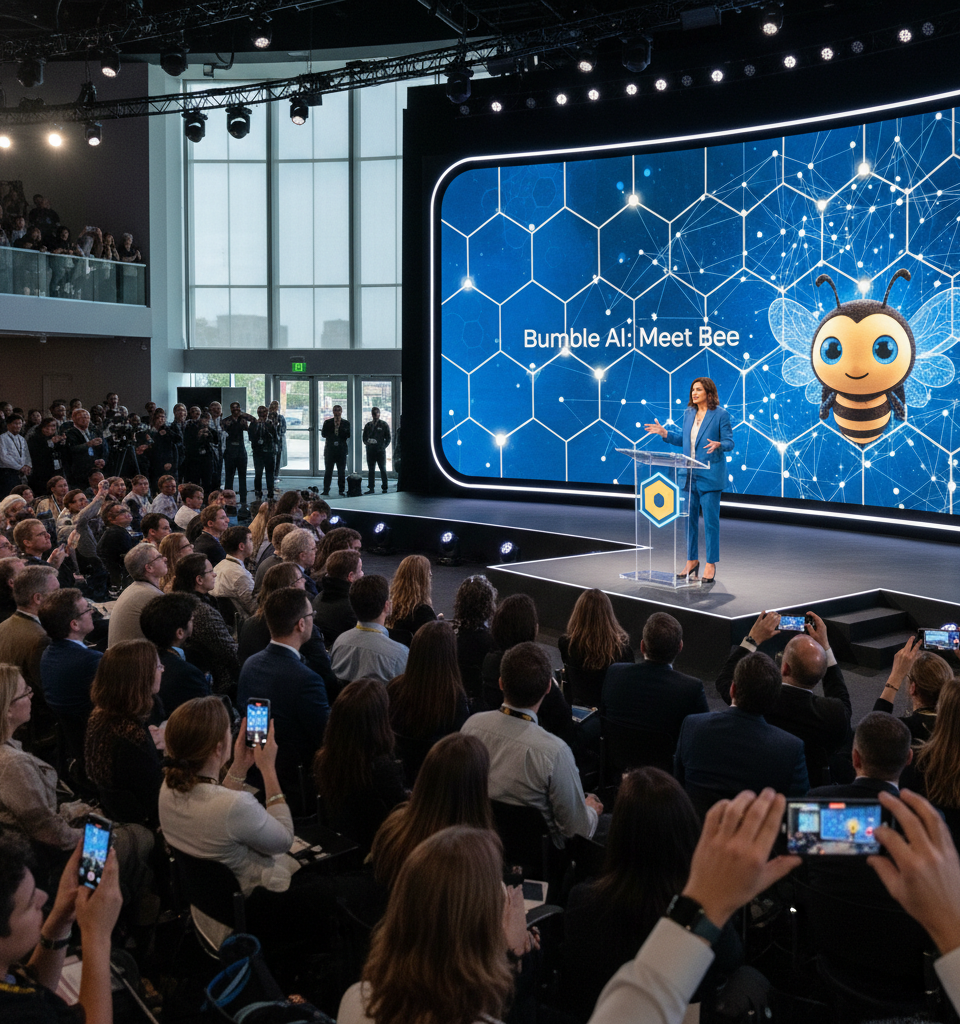
Bumble, one of the leading female-first dating applications, is poised to abandon its signature swiping mechanism, a change heralded by CEO Whitney Wolfe Herd. This strategic overhaul signals a profound shift toward an AI-centric approach, aiming to redefine user interaction and connection within the digital dating landscape. The move, anticipated by industry observers, underscores the company's commitment to innovation and its long-stated belief in AI's transformative potential for romantic relationships.
Context and Background
The decision to retire the swipe comes at a pivotal time for the online dating industry, which has seen user fatigue with traditional mechanics and an increasing demand for more meaningful connections. Bumble, founded in 2014 by Whitney Wolfe Herd, distinguished itself by empowering women to make the first move. While successful in fostering a unique environment, the core swiping functionality mirrored competitors like Tinder, leading to a largely superficial initial assessment. Wolfe Herd has consistently championed the idea of AI as a "supercharger to love and relationships," indicating that this shift is not a sudden reaction but a deliberate evolution aligned with her long-term vision for the platform.
Key Details and Future Features
While specific details on the replacement mechanism remain under wraps, the company has confirmed the development of an AI dating assistant internally dubbed Bee. This AI companion is expected to facilitate more personalized recommendations, enhance profile curation, and potentially guide users through initial interactions, moving beyond simple photo-based judgments. The objective is to cultivate deeper engagement and foster more compatible matches by leveraging advanced algorithms to understand user preferences and behaviors more comprehensively. This initiative builds on existing AI applications within the app, such as photo verification and content moderation, but moves significantly deeper into core matching functionalities.
Industry and Market Impact
Bumble's bold move is likely to send ripples through the competitive online dating market. For years, the swipe has been the dominant interaction model, shaping user expectations across numerous platforms. By moving away from it, Bumble aims to differentiate itself sharply and potentially set a new industry standard for more thoughtful, AI-driven matchmaking. Competitors like Match Group, which owns Tinder and Hinge, will be closely watching Bumble's user adoption and engagement metrics following this change. A successful transition could pressure rival platforms to similarly innovate beyond the traditional swipe, prompting a broader paradigm shift in how dating apps are designed and utilized.
Expert Perspective
Industry analysts view Bumble's strategic pivot as a calculated risk with significant upside. "The dating app market is ripe for disruption beyond incremental feature updates," notes Dr. Emily Carter, a tech sociologist specializing in digital romance. "Bumble's commitment to AI, particularly an AI assistant, suggests a move towards a more guided, curated user experience that addresses the 'dating app burnout' many users report. If executed well, it could significantly improve match quality and user satisfaction, potentially attracting a new segment of users seeking more than just casual connections." She cautions, however, that user acceptance of AI in such personal matters will be critical for success.
What's Next for Bumble
Bumble's internal teams are actively working on integrating the new AI functionalities and refining the user interface that will replace the swipe. The company is expected to roll out these changes incrementally, likely beginning with targeted beta testing before a full public launch. Further details regarding the specific features of Bee and the new interaction model are anticipated in upcoming earnings calls and product announcements. This transition is not merely a feature update but a fundamental reimagining of Bumble's core offering, positioning the company at the forefront of AI-powered relationship technology and solidifying its commitment to fostering more meaningful connections for its global user base.