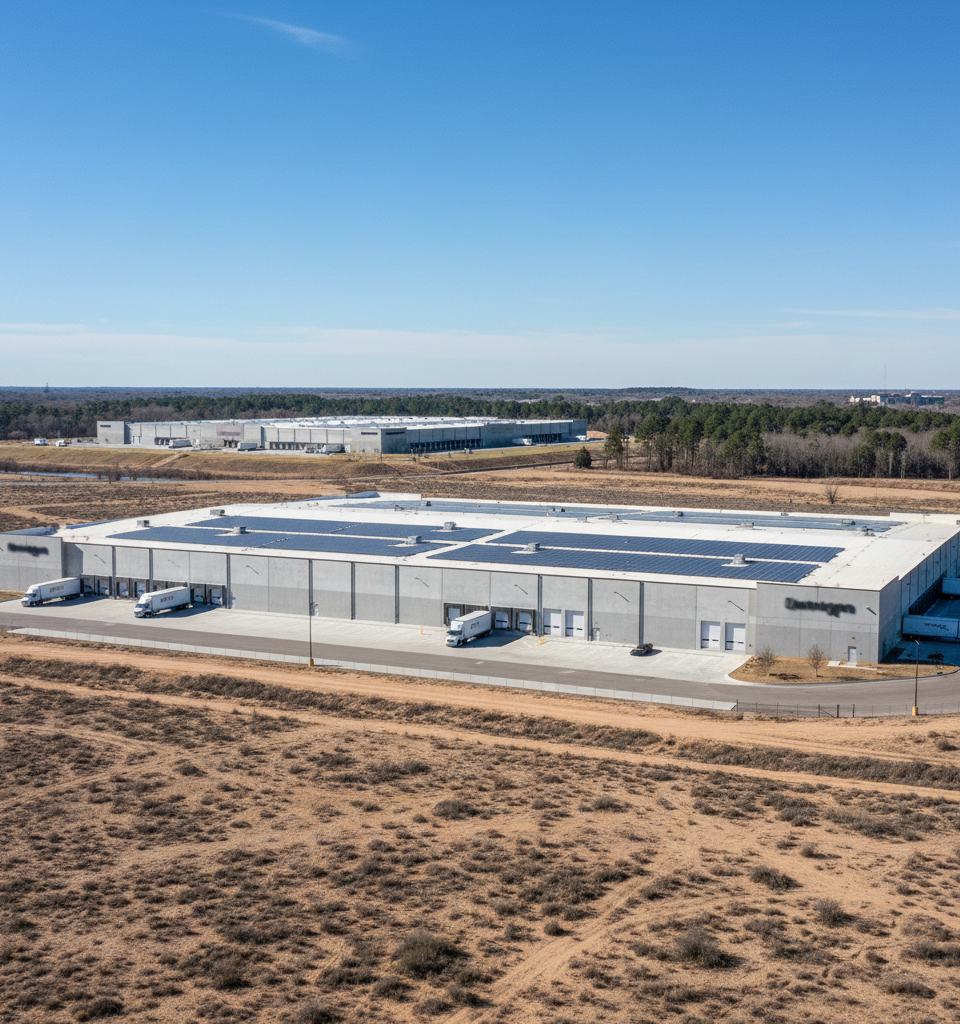
Global supply chain costs and energy security for large-scale operations are increasingly tied to domestic infrastructure, making self-generated power a critical factor for international retailers. Investing in on-site renewable energy directly mitigates operational risks and unpredictable utility expenses across vast distribution networks.
Burlington, the prominent off-price retailer, is moving forward with a significant expansion of its on-site solar energy strategy across its distribution network. The company plans to implement solar installations at two future facilities located in Arizona and California. Additionally, an existing warehouse in Georgia is slated to receive solar power, marking a concentrated effort to integrate renewable energy into its logistical backbone.
Strategic Rollout and Geographic Focus
This initiative underscores Burlington's commitment to enhancing energy independence and sustainability within its operational footprint. The selection of Arizona and California for new installations aligns with these states' abundant solar resources and potentially favorable regulatory environments for renewable energy development. The addition of solar to an established Georgia warehouse suggests a broader strategy to retrofit existing infrastructure where feasible, rather than limiting efforts solely to new constructions.
Burlington's approach focuses on its distribution centers, which are critical nodes in its supply chain. These large facilities typically have substantial roof space ideal for photovoltaic panel arrays, offering significant potential for on-site power generation. By generating electricity where it is consumed, the company aims to reduce its reliance on the grid and potentially lower operational costs over the long term.
Broader Industry Trends
The retail sector, particularly companies with extensive physical footprints and distribution networks, is increasingly adopting renewable energy solutions. This trend is driven by several factors, including corporate sustainability goals, pressure from investors and consumers to reduce carbon emissions, and the economic benefits of stable, lower-cost energy. On-site solar installations offer a direct path to achieving these objectives by providing predictable energy expenses and reducing exposure to volatile energy markets.
While the specific capacity or financial investment for these planned installations has not been detailed, such projects typically involve substantial capital outlay upfront, followed by operational savings over the lifespan of the solar arrays. The decision to invest in these systems reflects a strategic view of energy as a core component of long-term business resilience.
Future Implications for Distribution and Logistics
The planned solar additions are expected to contribute to Burlington's overall energy efficiency and environmental performance. As these projects move from planning to implementation, they will likely serve as models for how large-scale retailers can integrate renewable energy into their complex supply chains. This strategy not only supports environmental responsibility but also enhances operational stability, which is vital for maintaining an efficient flow of goods from distribution centers to stores.
Burlington's ongoing solar expansion highlights a growing trend among major retailers to self-source energy. This move could influence other companies in the sector to explore similar investments, particularly as the costs of solar technology continue to decrease and the demand for sustainable business practices rises. The success of these installations will be watched closely as the company continues to optimize its extensive distribution network for efficiency and sustainability.