Global supply chain stability directly impacts cross-border selling costs and delivery times, making legal challenges to major logistics providers a critical concern for businesses worldwide. This lawsuit could influence sourcing strategies and the reliability of international freight operations.
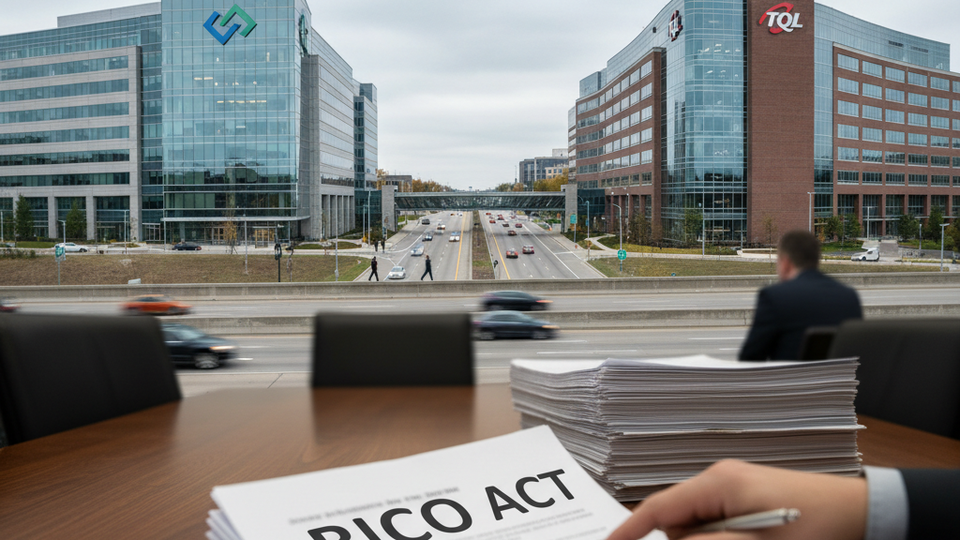
A new legal challenge has emerged against two of the largest freight brokers in the United States, C.H. Robinson and Total Quality Logistics (TQL). The lawsuit, filed recently, alleges that both companies have engaged in practices that constitute violations of the Racketeer Influenced and Corrupt Organizations (RICO) Act. This marks a significant shift in legal strategy within the freight industry, as RICO accusations carry serious implications beyond typical business disputes.
Unprecedented Legal Strategy
The core of the lawsuit centers on claims of RICO-prohibited actions. The RICO Act, typically associated with organized crime, allows for civil lawsuits against individuals or organizations involved in a pattern of racketeering activity. These activities can include various offenses, such as extortion, fraud, and bribery. Applying RICO to freight brokerage operations suggests a legal argument that goes beyond standard contract or antitrust claims, aiming to characterize alleged misconduct as part of a larger, organized scheme.
This approach is considered novel within the logistics sector. Previous disputes involving freight brokers have generally focused on issues like contract breaches, pricing practices, or service failures. The use of RICO elevates the potential stakes, as a finding of liability under the act can lead to treble damages (three times the actual damages sustained) and the recovery of legal fees, posing substantial financial risks for the accused companies.
Industry Context and Potential Impact
C.H. Robinson and TQL are dominant figures in the freight brokerage landscape, facilitating the movement of vast quantities of goods across various transportation modes. Any significant legal challenge to their operations could send ripples throughout the trucking and logistics industries. Shippers, carriers, and other brokers will be closely watching the developments of this lawsuit, as it could set precedents for how industry practices are scrutinized and litigated in the future.
The allegations, if substantiated, could compel a re-evaluation of business practices across the entire freight brokerage industry. Companies might face increased pressure to ensure compliance with a broader range of regulations and to enhance transparency in their dealings with carriers and shippers. This could lead to operational adjustments aimed at mitigating legal exposure, potentially affecting pricing structures and service agreements.
What This Means for Shippers and Carriers
For businesses relying on freight brokerage services, this lawsuit introduces an element of uncertainty. Should the case proceed and gain traction, it could potentially influence the stability of existing supply chain relationships and the competitive environment. Shippers may need to assess the compliance practices of their logistics partners more rigorously, while carriers might find themselves with new avenues to challenge perceived unfair practices.
The legal proceedings are expected to be complex and protracted, given the nature of RICO claims and the size of the defendants. The outcome could significantly alter the operational framework and regulatory oversight applied to major third-party logistics (3PL) providers. Stakeholders throughout the global trade ecosystem will be monitoring this case for its potential to reshape industry standards and legal liabilities.
Next Steps in the Legal Process
Following the filing, the defendants, C.H. Robinson and TQL, will be required to respond to the allegations. This will typically involve filing motions to dismiss or providing formal answers to the complaint. The initial stages of litigation will focus on establishing the legal merit of the RICO claims and determining whether the case will proceed to discovery. This phase will involve the exchange of extensive documentation and potentially depositions, providing more insight into the specific alleged actions that form the basis of the lawsuit. The full ramifications of this novel legal approach will unfold as the judicial process progresses.