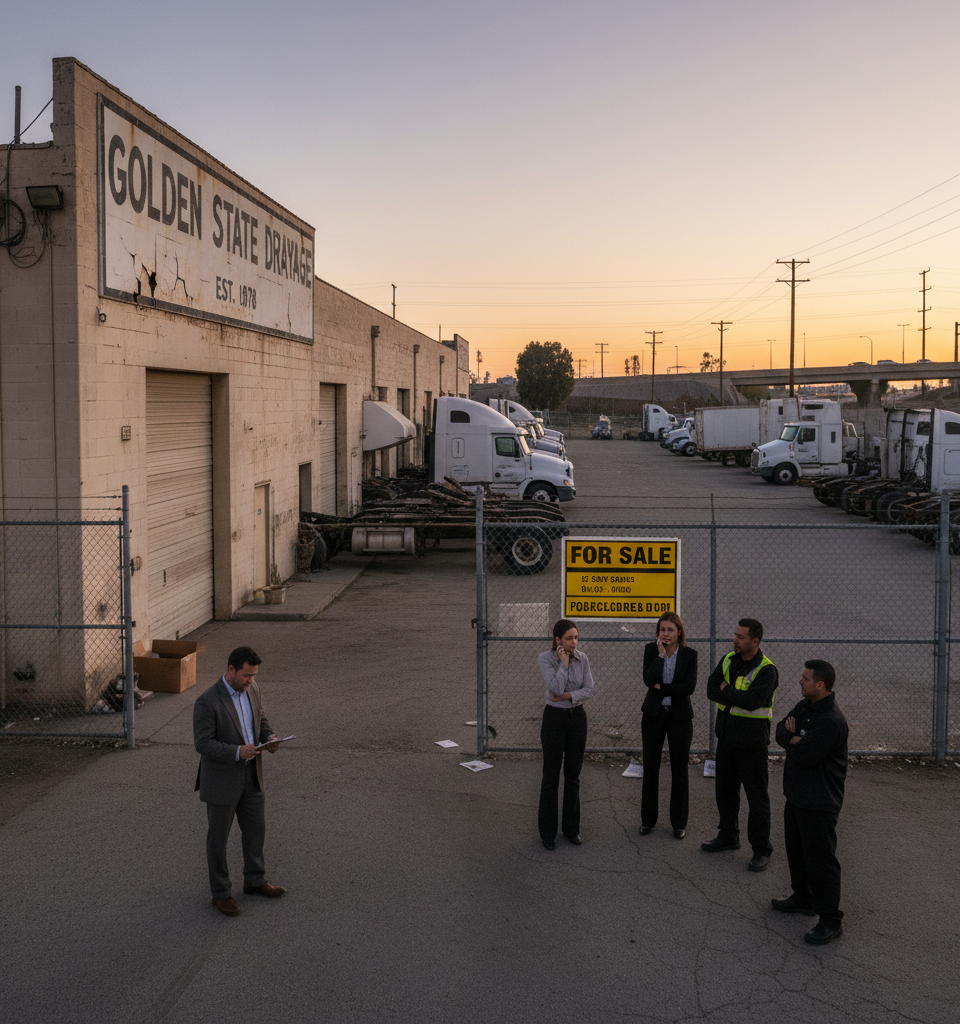
**LOS ANGELES, CA – ** – A California-based drayage carrier, a vital link in the supply chain for West Coast ports, has initiated bankruptcy proceedings, citing overwhelming fixed costs and mounting creditor claims. The undisclosed firm's Chapter 11 filing highlights the significant financial pressures squeezing smaller logistics operations, particularly those operating in the highly competitive and capital-intensive drayage sector. This development sends ripples through the regional logistics community, raising concerns about the sustainability of independent trucking operations crucial for port efficiency.
Escalating Costs and Tight Margins Drive Insolvency
The bankruptcy filing comes as the trucking industry, particularly drayage, grapples with a perfect storm of rising operational expenses. Fuel prices, although fluctuating, have remained significantly higher than pre-pandemic levels. Concurrently, new regulatory mandates in California, such as stringent emissions standards and independent contractor laws (e.g., AB5), have imposed substantial compliance costs, including investments in cleaner fleets and adjustments to labor classifications. These factors have eroded already thin profit margins, making it increasingly difficult for smaller carriers to absorb unexpected shocks or sustain prolonged periods of high operating expenditures.
While the specific identity of the carrier has not been disclosed beyond its ties to West Coast ports, sources familiar with the situation indicate that equipment financing, insurance premiums, and driver wages have been major contributing factors to its financial distress. One industry insider, speaking anonymously due to ongoing legal proceedings, commented, "For smaller drayage companies, especially those with an older fleet, the cost of upgrading to meet California's environmental targets alone can be millions. Without robust long-term contracts or significant capital reserves, many are walking a tightrope." The firm reportedly faced an increase of over 20% in its insurance premiums in the last 12 months, a common hurdle for many in the sector.
Broader Implications for Port Logistics and Supply Chains
The insolvency of even a single drayage carrier, particularly one serving busy West Coast ports like Los Angeles and Long Beach, can have cascading effects on the broader supply chain. Drayage firms are the critical last mile for containers arriving at ports, responsible for transporting goods to warehouses, distribution centers, and rail yards. A reduction in drayage capacity can lead to increased port congestion, delays in cargo movement, and ultimately, higher costs for importers and exporters. This particular carrier's exit underscores the fragility of a system heavily reliant on a fragmented network of thousands of small trucking businesses.
Industry analysts are keenly observing this trend. Dr. Eleanor Vance, a supply chain economist at the University of California, Berkeley, noted, "While one bankruptcy might seem minor in isolation, it's indicative of systemic stress. We've seen a significant consolidation trend in larger trucking segments, but drayage has remained stubbornly fragmented. This fragmentation, while offering flexibility, also means less resilience to economic downturns and regulatory shifts for individual players." Dr. Vance estimates that if 5-10% of small drayage carriers face similar fates, the impact on port efficiency and freight rates could be substantial, potentially increasing container dwell times by an average of 1-2 days.
The Road Ahead: Restructuring and Market Adjustments
The Chapter 11 filing offers the carrier an opportunity to restructure its debts and operations under court supervision, aiming to emerge as a viable entity. This process typically involves negotiating with creditors, divesting underperforming assets, and possibly securing new financing. However, successful reorganization is not guaranteed, and many small businesses entering bankruptcy eventually liquidate. The outcome will depend heavily on the carrier's asset base, the willingness of creditors to compromise, and its ability to secure new, more favorable contracts.
In the short term, the market will likely see remaining drayage carriers absorb some of the displaced freight volume, potentially leading to a temporary increase in rates due to reduced capacity. In the longer term, this situation could accelerate consolidation in the drayage sector, with larger, more financially robust firms acquiring struggling operations or expanding their fleets. Policymakers and port authorities may also face renewed calls to address the financial viability of small carriers through incentive programs or revised regulatory frameworks to ensure robust drayage capacity for critical port operations. The next few months will be crucial in determining the fate of this carrier and offering a glimpse into the future resilience of West Coast port logistics. The initial bankruptcy hearing is expected within the next 30 days, where the carrier will present its preliminary reorganization plan to the court and its creditors.
Specific Data & Figures:
- Insurance Premiums: Reported increase of over 20% for the carrier in the last 12 months.
- Operational Costs: Fuel, labor (driver wages up 10-15% over two years), and maintenance costs have seen consistent increases.
- Regulatory Compliance: California's truck and bus regulations require significant investment in cleaner vehicles, potentially 6-figure sums per truck for older fleets.
- Impact on Port Efficiency: Potential 1-2 day increase in container dwell times if a significant portion of small carriers face insolvency (Dr. Vance's estimate).
- Drayage Market: Highly fragmented, with approximately 80% of drayage carriers operating fewer than 20 trucks.
- Chapter 11: Allows for reorganization and debt restructuring, contrasting with Chapter 7, which typically involves liquidation.