Supply chain integrity is critical for global businesses, as disruptions like sophisticated cargo theft directly impact inventory, insurance costs, and customer trust. This incident underscores the continuous threat to valuable goods in transit and storage, demanding heightened vigilance from international sellers.
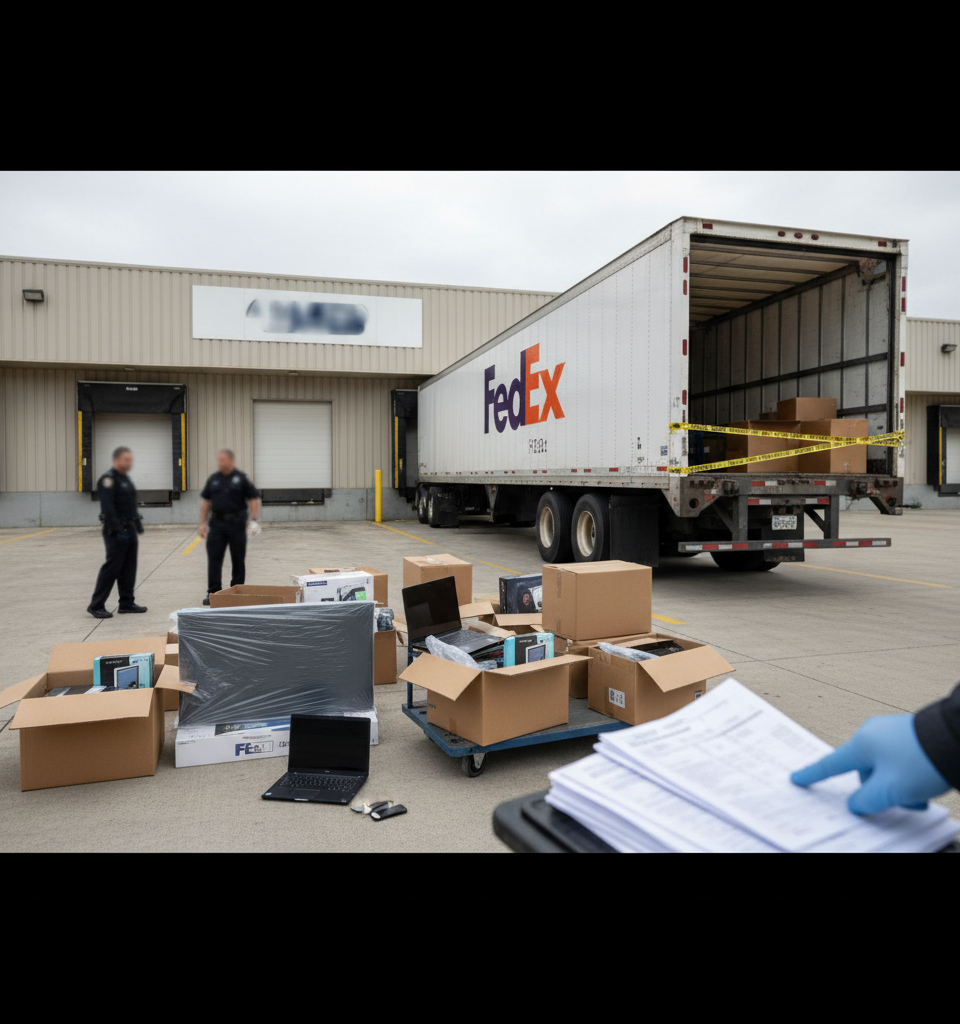
A California man is facing felony charges in connection with the theft of approximately $680,000 worth of electronics from a New Castle, Delaware, warehouse. The elaborate scheme involved individuals posing as FedEx drivers to gain access to the facility and abscond with the valuable cargo. Delaware troopers initiated an investigation after discovering fraudulent documents, a false license plate, and a parked tractor-trailer linked to the incident.
Details of the Heist
The theft reportedly occurred at a New Castle, Delaware, warehouse. The perpetrators used a meticulously planned ruse, presenting themselves as legitimate FedEx personnel. This tactic allowed them to circumvent standard security protocols and access the electronics shipment. The substantial value of the stolen goods, estimated at $680,000, indicates a highly organized operation targeting high-demand, easily transportable items. The investigation eventually led authorities to a California man, who was subsequently charged with felony offenses.
Investigation and Apprehension
Delaware state troopers were able to trace the illicit activity by following a trail of evidence. This included fraudulent shipping documents, which were likely used to facilitate the theft or to obscure its origins. A key piece of evidence was a false license plate, which suggested an attempt to disguise the vehicle involved. The discovery of a parked tractor-trailer further connected the suspect to the crime, providing a physical link to the stolen goods or the act of theft itself. These elements collectively enabled law enforcement to identify and apprehend the individual now facing charges.
Implications for Supply Chain Security
This incident underscores the sophisticated methods employed by organized cargo thieves. The use of fake credentials and disguised vehicles represents a significant challenge for logistics and warehouse security. Businesses relying on extensive supply chains, especially those handling high-value electronics, must constantly review and upgrade their security measures. This includes scrutinizing driver identities, validating shipping documents, and implementing advanced tracking technologies. The potential for such large-scale thefts can lead to substantial financial losses, increased insurance premiums, and reputational damage for affected companies.
Broader Industry Context
Cargo theft remains a persistent problem across the logistics industry, with electronics frequently being a prime target due to their high resale value and relatively compact size. Such crimes not only result in direct financial losses but also disrupt supply chains, cause delays, and erode consumer confidence. The incident in New Castle highlights a common vulnerability: the 'insider threat' or the impersonation of trusted personnel, which can bypass even robust physical security systems. Protecting against these evolving threats requires a multi-layered approach involving technology, stringent protocols, and collaboration between law enforcement and industry stakeholders.
Legal Ramifications and Future Steps
The California man faces felony charges, indicating the serious nature of the crime and the potential for significant legal consequences. The ongoing legal process will determine the full extent of his involvement and any potential co-conspirators. For businesses, the aftermath of such a theft often involves forensic investigations, insurance claims, and a comprehensive review of security policies to prevent future occurrences. This case serves as a stark reminder of the continuous need for vigilance and adaptation in securing global commerce against criminal enterprises.