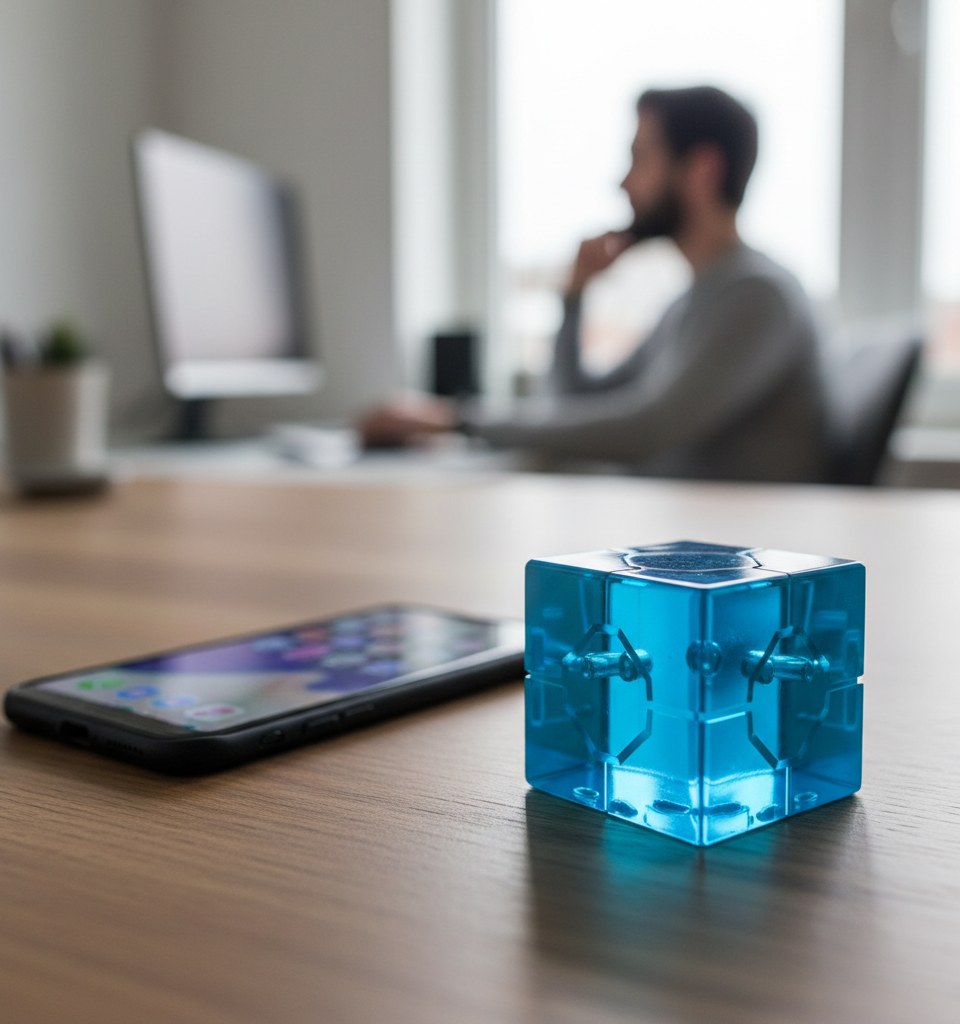
In an increasingly digitally tethered world, a new, minimalist gadget is emerging as a potential antidote to pervasive screen addiction. "Brick," a $60 plastic cube, is currently capturing the attention of individuals determined to reduce their smartphone usage and escape the scrolling vortex known as "doomscrolling." This device represents a low-tech approach to a high-tech problem, aiming to empower users to regain control over their digital habits.
The Genesis of the Screen-Time Crisis
The proliferation of smartphones and the incessant notifications they deliver have led to a widespread concern over screen time and its impact on mental well-being, productivity, and social interaction. Over-reliance on digital devices has given rise to phenomena like "doomscrolling," where users endlessly consume negative news or content, often leading to increased anxiety and decreased overall happiness. The market is saturated with apps designed to monitor or limit screen time, but many users find these software-based solutions insufficient to break deeply ingrained behavioral patterns.
Brick's Simple Solution
Brick operates on a principle of deliberate disengagement. While specific functionalities remain somewhat under wraps, its core appeal lies in its physical presence and its implied ability to create a tangible barrier between users and their devices. The device is not a smart gadget in itself; rather, it aims to facilitate a return to analog focus by providing a dedicated space, or a ritual, to step away from digital distractions. Its affordability at $60 makes it accessible to a broad demographic struggling with digital overload, potentially offering a more cost-effective and direct intervention than complex digital detox programs.
A Growing User Base
The early traction gained by Brick suggests a burgeoning demand for practical, non-digital tools to combat screen addiction. Its user base is described as "devoted," indicating a strong sense of community and shared purpose among those adopting the cube. This loyalty points to the effectiveness of its simple premise for a specific segment of the population struggling with phone dependency. It appeals to those who have tried other methods and are seeking a more fundamental change in their relationship with their devices.
Market Implications and Future Outlook
The emergence of products like Brick signals a growing market for "de-tech" solutions. This trend could challenge the dominant paradigm of technological integration, suggesting a rising consumer desire for intentional digital minimalism. If Brick continues to build on its early success, it could inspire a new wave of low-tech, high-impact devices designed to help individuals disconnect. This niche market, once considered fringe, is evolving into a significant area of innovation, catering to a population increasingly aware of the downsides of constant digital connectivity.
The Road Ahead for Digital Wellness
The success of Brick will be closely watched by innovators and mental health professionals alike. Its ability to cultivate a "devoted user base" highlights the deep-seated yearning among many to reclaim their time and attention from digital distractions. As society grapples with the long-term effects of constant digital immersion, solutions like Brick offer a glimpse into a future where intentionally designated non-digital spaces and tools become an integral part of maintaining personal well-being. The challenge will be to see if its minimalist approach can sustain its appeal and offer a lasting remedy in an ever-evolving digital landscape.