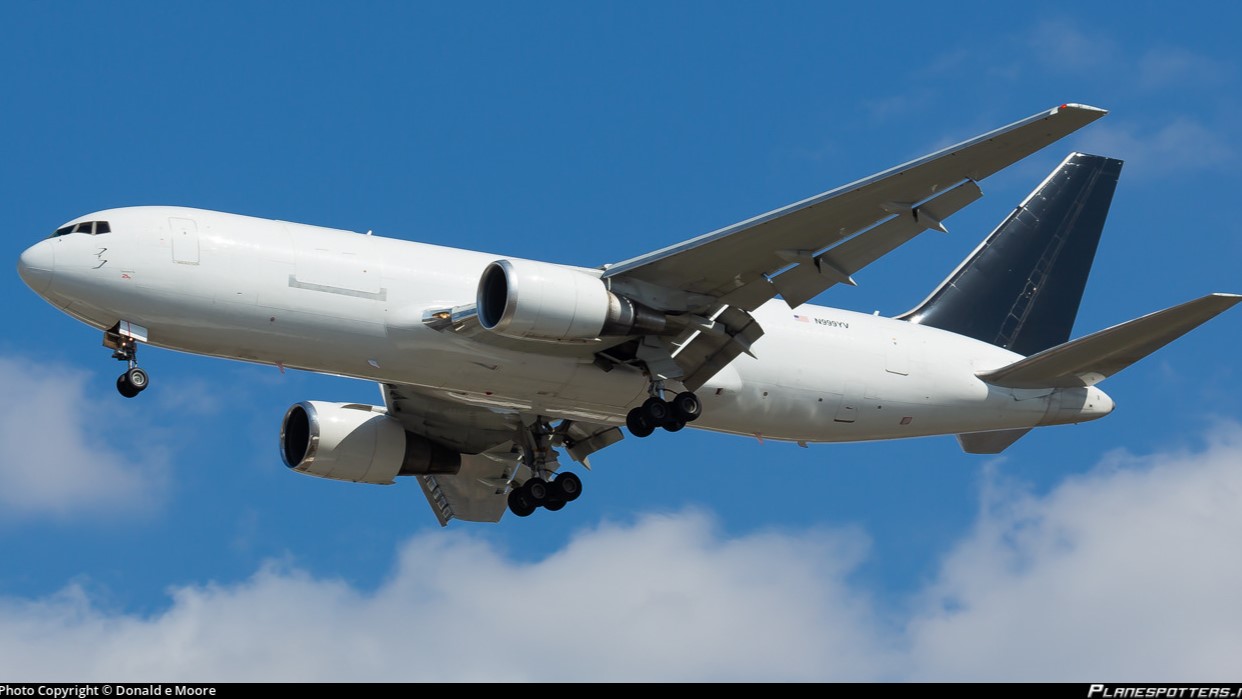
21 Air, a U.S.-based cargo airline, has recently appointed a new Chief Executive Officer, replacing Tim Strauss with an individual previously associated with Canadian air freight carrier Cargojet. This executive transition underscores the significant, albeit legally constrained, influence of Cargojet, which holds a minority interest in 21 Air. The move is particularly notable given the stringent U.S. regulations dictating that domestic airlines, including their leadership, must be U.S.-controlled and operated.
The strategic relationship between Cargojet and 21 Air has been a subject of ongoing industry interest. Cargojet, a prominent player in the global air cargo market, has leveraged its minority stake to expand its operational reach and capacity within the crucial U.S. logistics landscape. The necessity for 21 Air to remain independently run, in compliance with American aviation laws, creates a nuanced dynamic where strategic alignment must exist without प्रत्यक्ष control. The appointment of a former Cargojet executive to lead 21 Air suggests a deliberate alignment of operational strategies and corporate cultures, even within these regulatory boundaries.
Strategic Implications of the Leadership Change
The replacement of Tim Strauss with a former Cargojet executive at 21 Air is more than just a personnel change; it reflects a deeper strategic maneuver. While U.S. law mandates that 21 Air must be run by Americans, the selection of an individual with prior experience at Cargojet can facilitate closer operational synchronization and potentially optimize the utilization of shared resources and networks. This could lead to enhanced efficiency in cargo routing, improved fleet management, and a more cohesive service offering across North America.
This development is particularly relevant in the context of the burgeoning e-commerce sector, which has significantly driven demand for air cargo services. Both Cargojet and 21 Air are critical components of the logistics chains supporting major online retailers, including Amazon. Seamless coordination between carriers is paramount to meeting the tight delivery schedules and high service standards demanded by these clients. The new leadership at 21 Air, with its implied understanding of Cargojet's operational ethos, is expected to streamline collaborative efforts.
Regulatory Framework and Industry Dynamics
The U.S. Department of Transportation (DOT) and the Federal Aviation Administration (FAA) maintain strict regulations regarding foreign ownership and control of U.S. airlines. The primary intent is to ensure national security and prevent foreign entities from exercising undue influence over critical domestic infrastructure. These rules typically limit foreign ownership to 24.9% of voting equity and require that U.S. citizens retain actual control of the airline's operations and management. Cargojet's minority interest in 21 Air adheres to these limitations.
The appointment of a former Cargojet executive, therefore, must be seen through the lens of maximizing strategic influence within these legal constraints. It allows for the injection of industry best practices and operational philosophies derived from one of Canada’s leading cargo airlines, without violating the spirit or letter of U.S. regulations. This delicate balance reflects a sophisticated approach to international business partnerships in a highly regulated industry. The air cargo sector continues to evolve rapidly, particularly as global supply chains become more intricate and demanding.
Future Outlook for 21 Air and Cargojet Partnership
The immediate future for 21 Air under its new leadership is likely to involve a period of strategic alignment and operational integration. The experience brought by the former Cargojet executive is expected to contribute to a deeper understanding of synergies between the two companies. This could translate into more integrated networks, shared operational technologies, and potentially a more harmonized approach to market expansion, all while ensuring 21 Air maintains its independent U.S. operational integrity.
For Cargojet, this move solidifies its strategic footprint in the U.S. market without requiring full ownership, which would be legally impossible under current regulations. The continued success and operational efficiency of 21 Air directly benefits Cargojet, strengthening its overall market position and its ability to offer comprehensive transatlantic and cross-border cargo solutions. As the air cargo industry continues to navigate fluctuating global economic conditions and evolving e-commerce demands, strategic partnerships like this will remain crucial for maintaining competitiveness and market share. The coming months will reveal the tangible impacts of this leadership transition on 21 Air's operational performance and its ongoing collaboration with Cargojet.