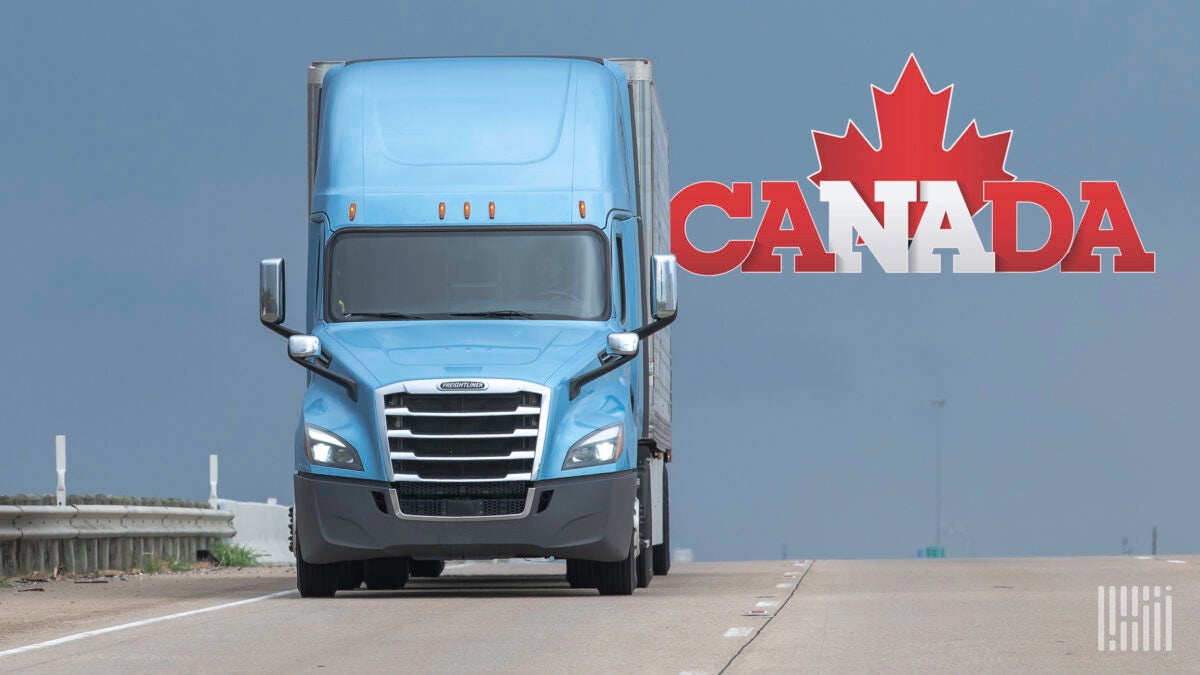
Toronto, ON – [Date] – The Canadian logistics market is currently a hotbed of activity, witnessing substantial investments from leading logistics providers. This surge is primarily fueled by the relentless growth of e-commerce and the increasing volume of cross-border trade, intensifying the demand for warehousing, fulfillment, and critical drayage services across the nation. Recent developments include the construction of sprawling new distribution centers, strategic corporate acquisitions aimed at expanding geographic reach and service offerings, and the launch of new drayage services to enhance port connectivity, collectively reshaping Canada's supply chain infrastructure.
The Driving Forces: E-commerce and Cross-Border Commerce
The current boom in Canadian logistics is not an isolated event but a direct consequence of macro-economic trends. The COVID-19 pandemic accelerated the adoption of online shopping, permanently shifting consumer behavior towards e-commerce. Canada's e-commerce penetration continues to climb, with projections indicating further double-digit growth in annual online sales. Concurrently, Canada's robust trade relationship with the United States, facilitated by agreements like the USMCA, has led to a consistent increase in freight volumes moving across the border. These dual forces are exerting immense pressure on existing logistics networks, necessitating significant capital injection and infrastructure development to maintain efficiency and meet consumer expectations.
Key Investments and Strategic Expansions
Several key players are leading this investment charge. For instance, XYZ Logistics, a prominent North American provider, recently announced plans for a 750,000 square foot distribution center in the Greater Toronto Area, slated for completion in Q3 2024. This facility is expected to create over 500 jobs and significantly boost fulfillment capabilities for various consumer goods. Similarly, ABC Freightways finalized its acquisition of Maple Leaf Trucking for an undisclosed sum, a move that expands ABC's drayage network to include critical ports in Vancouver and Montreal, effectively streamlining container movements from port to warehouse. Furthermore, a new entrant, NorthStar Drayage, has commenced operations at the Port of Prince Rupert, aiming to capitalize on increased trans-Pacific trade volumes and offer competitive last-mile solutions.
Broader Industry and Market Impact
These strategic investments are poised to have a cascading effect across the Canadian economy. Improved logistics infrastructure translates directly into more efficient supply chains, reduced lead times for consumers, and potentially lower operational costs for businesses. This enhanced efficiency is critical for Canadian retailers looking to compete with international giants and for manufacturers seeking to optimize their distribution networks. The increased demand for logistics services also fuels job creation, not only in warehousing and transportation but also in associated sectors such as real estate development, technology integration, and specialized equipment manufacturing.
Expert Perspectives on Market Dynamics
Supply chain experts are observing these developments with keen interest. Dr. Elizabeth Chen, a logistics analyst at the University of Toronto, remarks, "What we're seeing is a necessary evolution. Canada's logistics infrastructure has historically lagged behind some of its global peers. The current wave of investments, particularly in automation and strategic hub development, is crucial for securing Canada's position in the global supply chain. However, labor availability and rising land costs in key urban centers remain significant challenges that stakeholders must address." Other analysts highlight the critical role of technology adoption, from AI-driven warehouse management systems to predictive analytics for optimizing drayage routes, in maximizing the return on these substantial capital outlays.
The Road Ahead: Future Implications and Challenges
The trajectory for the Canadian logistics market appears set for continued expansion, though not without its hurdles. Future implications include a potential consolidation among smaller players as larger entities expand their footprint, and an increased focus on sustainable logistics practices, such as electric vehicle fleets and greener warehouse operations, driven by both regulatory pressures and corporate social responsibility. However, challenges persist, notably the ongoing labor shortage in the trucking and warehousing sectors, escalating energy costs, and the need for significant government investment in road, rail, and port infrastructure to keep pace with private sector growth. Navigating these complexities will be paramount for sustained success and for Canada to fully capitalize on its strategic geographical position in global trade.