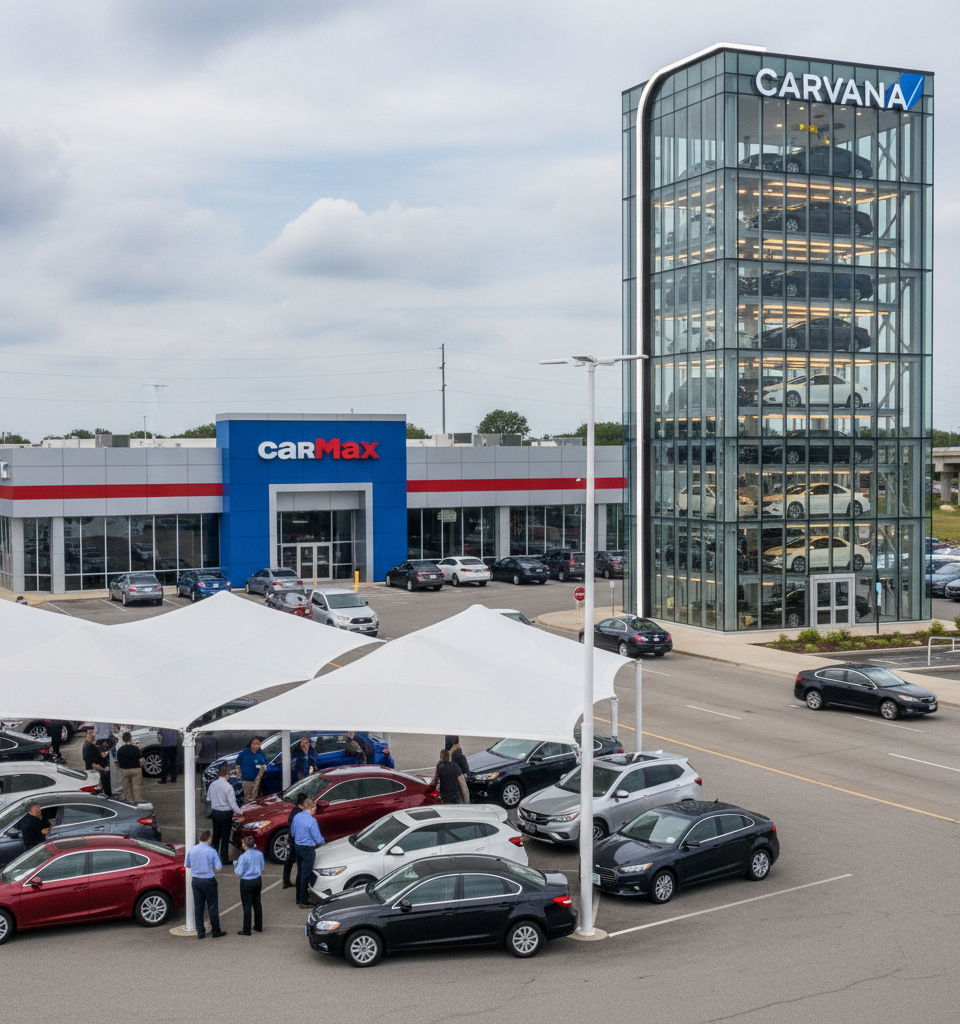
The automotive retail landscape is bracing for the imminent release of CarMax's latest earnings report, a disclosure widely expected to provide a crucial barometer for the prevailing conditions within the volatile used car market. This anticipated financial announcement from the nation's largest used car retailer coincides with observations that online automotive retailer Carvana has undertaken what is being characterized as its 'most disruptive' move to date, signaling potential shifts in competitive dynamics.
The timing of CarMax's earnings report is particularly salient, as industry analysts and investors seek clarity on consumer spending patterns, inventory levels, and profit margins amidst evolving economic conditions. The used car market has experienced significant fluctuations in recent years, influenced by supply chain disruptions impacting new vehicle production and shifting consumer preferences. CarMax, with its extensive national footprint and established business model, offers a bellwether perspective on these trends.
CarMax typically provides detailed breakdowns of its retail and wholesale unit sales, average selling prices, and financing operations. These metrics are vital for understanding the underlying health of the broader used vehicle segment. Investors will be scrutinizing the report for any indicators of pressure on pricing, changes in consumer demand for financing, and the effectiveness of CarMax's inventory management strategies in a dynamic environment.
Simultaneously, the industry is buzzing about Carvana's latest strategic initiative. While specifics of this 'most disruptive' move have not been fully detailed, the online-centric retailer has historically focused on innovative approaches to vehicle purchasing and delivery, leveraging technology to streamline the customer experience. Previous innovations have included its signature car vending machines and a fully online transaction process, aimed at challenging traditional dealership models.
Carvana's continuous pursuit of disruption underscores the intense competition within the used car sales sector. Its strategies often center on convenience and technology, which can appeal to a segment of consumers looking for alternatives to conventional car buying. Any significant new initiative could potentially redefine customer expectations and force competitors, including CarMax, to adapt their own operational and marketing approaches.
Analysts are likely to dissect how Carvana's reported disruptive move might impact the competitive landscape, particularly concerning market share, pricing strategies, and customer acquisition costs across the industry. Such a development could intensify the battle for consumers, potentially leading to further innovation in how used vehicles are bought and sold.
Market Dynamics and Investor Sentiment
The overarching sentiment in the automotive retail investment community is one of cautious optimism, tempered by macroeconomic uncertainties. Inflationary pressures, interest rate fluctuations, and consumer confidence levels all play a significant role in influencing durable goods purchases like used vehicles. CarMax’s financial performance will offer a tangible reflection of how effectively a large-scale retailer is navigating these headwinds.
Strategic Implications for Competitors
For other players in the used car market, both traditional dealerships and emerging online platforms, Carvana's reported disruptive action presents both a challenge and a potential template for future strategies. The emphasis on innovation and customer experience is likely to be a persistent theme. The industry has seen a rapid evolution in sales models, and any company failing to adapt risks losing ground in an increasingly digital and customer-centric market.
Looking Ahead
As CarMax prepares to unveil its financial figures, the automotive retail sector stands at a critical juncture. The forthcoming report, combined with the unfolding impact of Carvana's latest strategic maneuver, will provide essential insights into the current state and future trajectory of the used vehicle market. Stakeholders will be watching closely for indications of resilience, adaptation, and sustained growth in an environment characterized by both opportunity and significant competitive pressure.