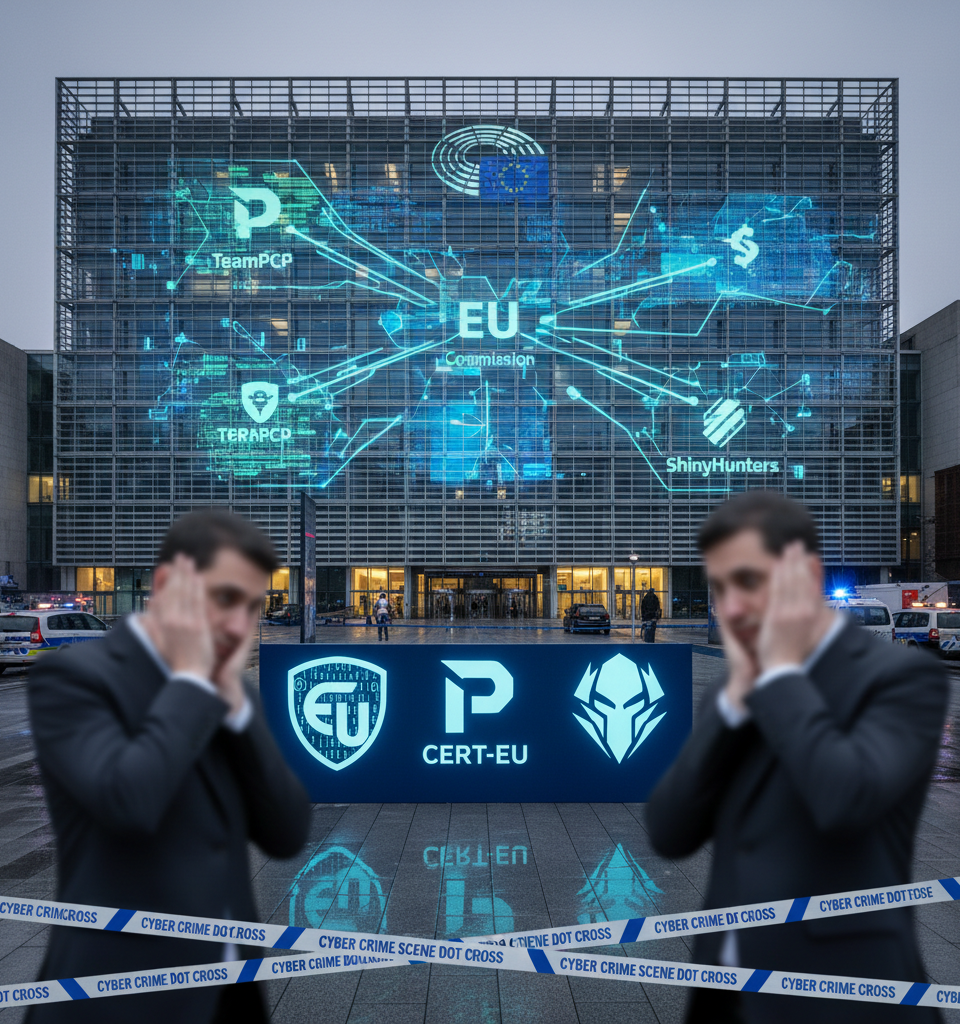
BRUSSELS, BELGIUM – Europe's Computer Emergency Response Team (CERT-EU) has definitively identified two prominent cybercrime syndicates, TeamPCP and ShinyHunters, as the perpetrators behind a recent and substantial data breach targeting the European Commission. The breach, which has sent ripples through the European Union's digital security apparatus, saw TeamPCP credited with the initial intrusion into the Commission's systems, while the notorious ShinyHunters group was subsequently held responsible for disseminating the pilfered data across various online platforms. This dual attribution marks a critical development in understanding the evolving landscape of state-sponsored and financially motivated cyber warfare, highlighting sophisticated collaboration, or opportunistic exploitation, between distinct threat actors.
This incident reverberates through the highest echelons of European governance, prompting urgent reviews of cybersecurity protocols and data protection methodologies. The European Commission, a cornerstone of the EU's administrative and policy-making framework, holds a vast repository of sensitive information, ranging from diplomatic communications and policy drafts to personal data of staff and affiliated individuals. Such a compromise not only risks exposing confidential information but also undermines public and international trust in the EU's ability to safeguard critical data. The attribution comes at a time when global cyber threats are escalating, with governmental entities increasingly becoming prime targets for espionage, sabotage, and financial exploitation.
According to CERT-EU's detailed analysis, provided in a confidential internal report later accessed by several news outlets, TeamPCP leveraged sophisticated spear-phishing techniques and zero-day vulnerabilities to gain unauthorized access to the European Commission's network. The initial breach is believed to have occurred over several weeks, allowing the attackers to thoroughly reconnoiter the system before exfiltrating a significant volume of data. Subsequently, the data appeared on dark web forums and underground marketplaces, with the ShinyHunters group actively promoting and selling access to the compromised information. While the exact volume and nature of the leaked data remain under ongoing investigation by EU authorities, initial assessments suggest a substantial haul of internal documents and potentially personal identifiers.
Broadening Impact on European Institutions
The breach extends beyond merely the European Commission, raising alarm bells for other EU institutions and member states. The interconnected nature of European digital infrastructure means that a successful attack on one component can create cascading vulnerabilities across the entire network. This incident underscores the urgent need for a unified and robust cybersecurity strategy across the EU, particularly given its role in critical infrastructure, defense, and economic stability. Industry analysts estimate that the cost of remediation, including forensic investigations, system overhauls, and potential regulatory fines under GDPR, could run into millions of euros, not to mention the intangible costs associated with reputational damage and eroded trust.
Cybersecurity experts are weighing in on the implications of this dual-actor attack. Dr. Anya Sharma, a senior cybersecurity analyst at the European Cyber Security Organisation (ECSO), commented, "The collaboration or successive involvement of groups like TeamPCP and ShinyHunters signifies a disturbing trend. TeamPCP specializes in stealthy initial access and data exfiltration, while ShinyHunters are masters of monetizing stolen data. This division of labor makes attribution harder and the overall threat more potent." She added, "It's a clear signal that even the most secure organizations need to anticipate multi-stage attacks and continuously adapt their defenses."
Future Implications and Defensive Measures
The immediate aftermath of the breach has seen the European Commission initiating a comprehensive review of its cybersecurity protocols, including enhanced employee training, multi-factor authentication mandates, and closer collaboration with national cybersecurity agencies. CERT-EU is also reportedly pushing for stricter enforcement of existing cybersecurity directives and advocating for new legislation to bolster resilience against advanced persistent threats. Internally, there is a push to invest significantly more in artificial intelligence and machine learning tools to detect anomalies and identify potential intrusions in real-time.
Looking ahead, this incident will likely accelerate discussions within the European Parliament regarding increased funding for cyber defense initiatives and closer intelligence sharing among member states. The incident also serves as a stark reminder to private sector entities, particularly those interacting with governmental bodies, to review their own security postures. The long-term implications could include a restructuring of how the EU manages and protects its digital assets, potentially leading to the establishment of a centralized, pan-European cybersecurity command center capable of responding swiftly and cohesively to such sophisticated threats. The investigation into the full extent of the data compromise and potential counter-responses is ongoing, with further revelations expected in the coming months.