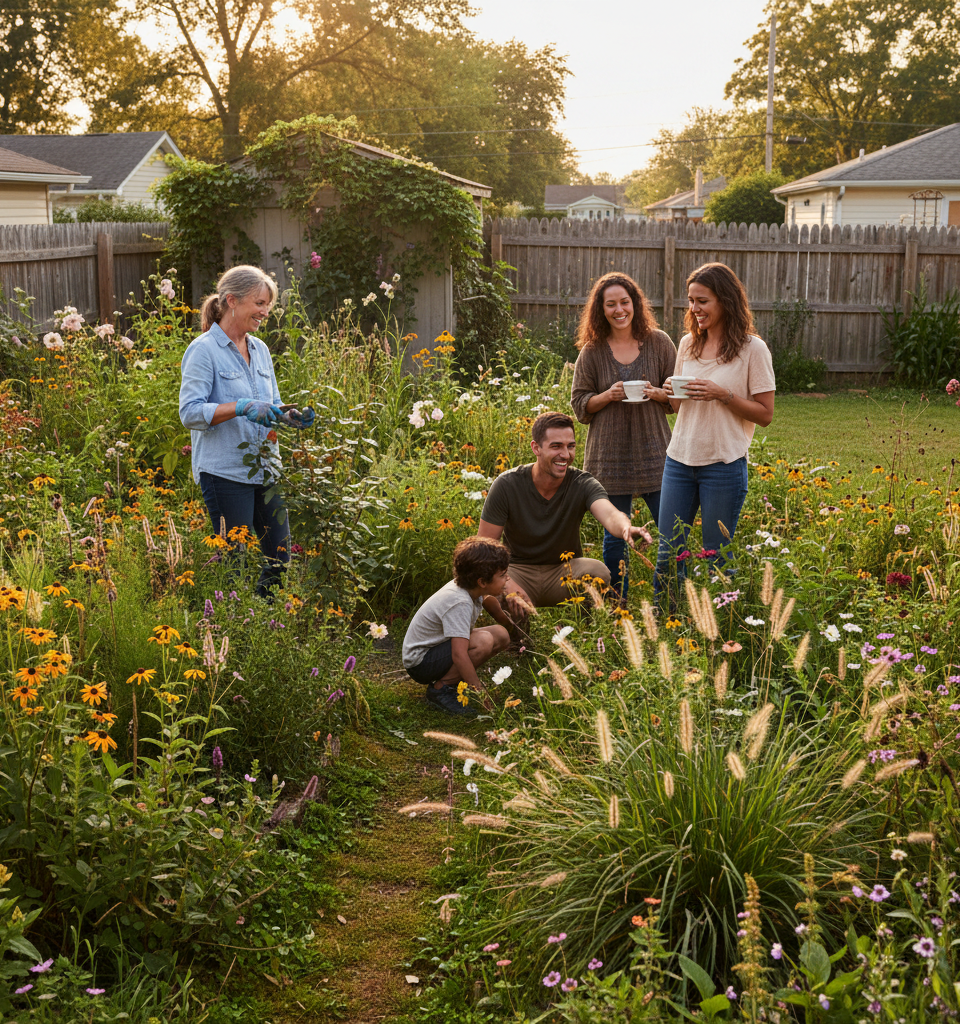
Amidst growing economic pressures and a renewed focus on sustainability, a grassroots horticultural phenomenon known as 'chaos gardening' has emerged as a practical and cost-effective solution for homeowners. This approach, characterized by its less structured, more naturalistic planting methods, is not only transforming residential aesthetics but also significantly cutting down on the recurring expenditures associated with traditional landscaping, from water bills to professional maintenance services. What began as a niche trend has rapidly accelerated into mainstream adoption, fueled by viral social media content and a desire for more resilient, self-sustaining garden spaces.
The Genesis of a Green Revolution
Historically, meticulously manicured lawns and regimented garden beds have been the hallmark of residential landscaping. However, these traditional methods often demand substantial resources: frequent watering, expensive fertilizers, regular pest control, and labor-intensive pruning. Chaos gardening, in stark contrast, encourages a more organic, uninhibited growth pattern, often involving direct seeding of diverse plant species with minimal pre-planning or formal design. This approach draws inspiration from natural ecosystems, where plants coexist and thrive without human intervention. The current surge in its popularity can be attributed to several factors, including heightened environmental awareness, a pursuit of financial efficiency, and a broader cultural shift towards embracing imperfection and natural beauty.
Economic Benefits and Practical Applications
For homeowners, the financial advantages of embracing chaos gardening are substantial. By reducing reliance on high-maintenance plants and water-intensive lawns, households can see their monthly water bills drop by as much as 30-50%, particularly in arid regions. The need for costly chemical fertilizers and pesticides is largely eliminated, as the diverse plant ecosystems fostered by chaos gardening naturally deter pests and enrich soil.
Furthermore, the time and expense associated with professional lawn care or extensive personal upkeep are drastically cut. For instance, a homeowner spending an average of $150-$200 monthly on garden maintenance could anticipate annual savings of over $1,000 to $2,400. Specific examples include utilizing native perennial wildflowers that require minimal irrigation and resist local pests, or allowing certain areas of the lawn to naturalize into meadows, reducing mowing frequency.
Shifting Sands in the Landscape Industry
The widespread adoption of chaos gardening presents both challenges and opportunities for the broader landscape and gardening industries. Traditional nurseries may need to diversify their offerings to include more drought-tolerant, native seeds and robust perennials rather than focusing solely on annuals and high-maintenance ornamentals. Landscape design firms could see a growing demand for 'rewilding' services or designs that integrate unstructured, natural elements. Manufacturers of irrigation systems and chemical lawn treatments might experience a dip in demand, necessitating innovation in sustainable gardening solutions. This trend underscores a significant market shift towards ecological landscaping and lower-input gardening.
Expert Insights on Sustainable Horticulture
Dr. Eleanor Vance, an environmental horticulturist at the University of California, Berkeley, notes, "Chaos gardening isn't just a trend; it's a recalibration of our relationship with nature. By allowing plants to dictate their own growth patterns and adapt to local conditions, we're not only saving money but also fostering biodiversity and creating more resilient ecosystems right in our backyards. The reduced need for external inputs like water and fertilizers is a critical step towards sustainable urban living." Industry analysts suggest that companies embracing this shift by offering advice, native seed mixes, and workshops on ecological gardening are poised for growth.
The Future Landscape of Home Gardens
The trajectory of chaos gardening suggests it is more than a fleeting fad; it represents a more permanent paradigm shift in how homeowners approach their outdoor spaces. Looking ahead, we can anticipate further innovation in seed mixes designed for various climates, increased availability of information on native plant species, and potentially even municipal incentives for adopting water-wise and low-maintenance landscaping practices. The movement is expected to continue evolving, incorporating principles of permaculture and regenerative agriculture to create even more productive and self-sufficient home environments. The drive for ecological harmony and financial prudence will likely cement chaos gardening as a cornerstone of modern residential aesthetics.
Broader Environmental and Social Implications
Beyond the immediate financial benefits, chaos gardening offers substantial environmental advantages. By promoting plant diversity, it supports local pollinator populations, including bees and butterflies, which are crucial for ecosystem health but are facing significant declines globally. It reduces urban heat island effects through increased vegetation cover and helps improve soil health by minimizing disturbance and chemical use. Socially, it encourages community engagement, as neighbors often share seeds and knowledge, fostering a sense of collective environmental stewardship. This relatively simple gardening approach is proving to be a powerful tool for both personal savings and planetary well-being.