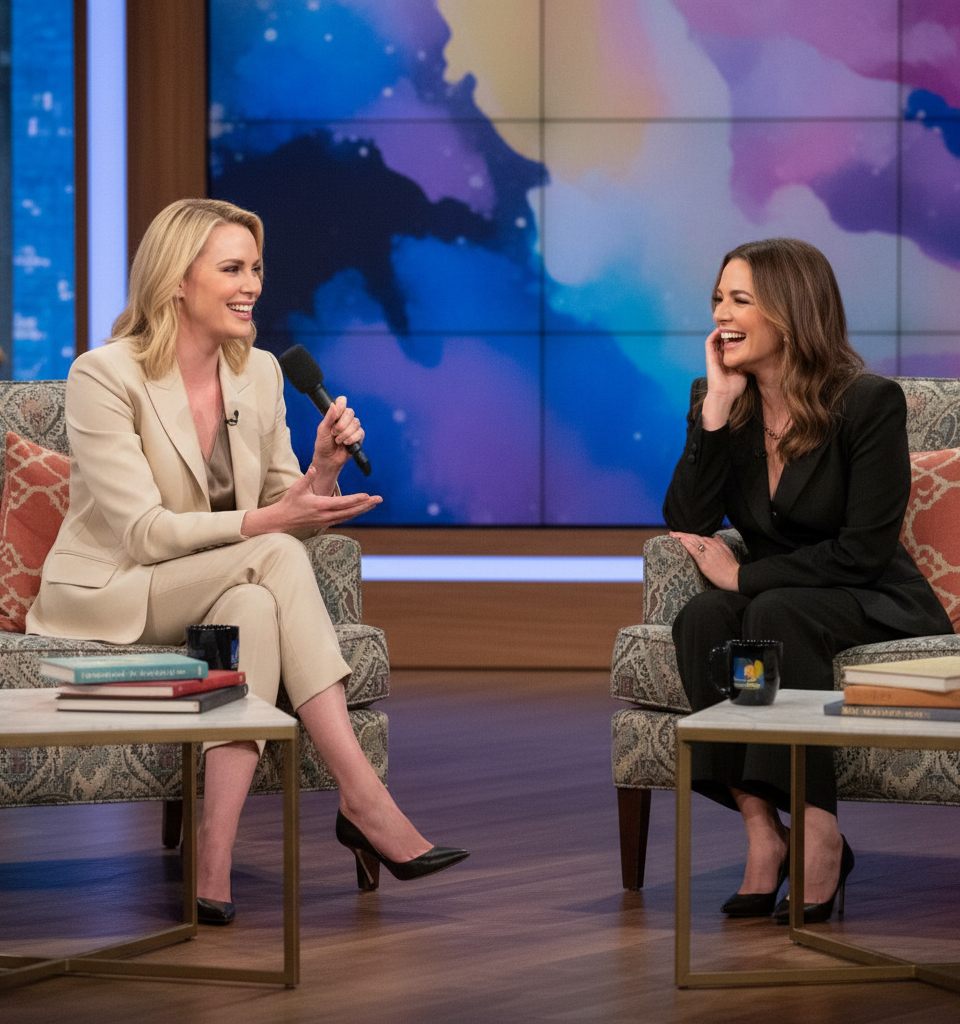
Hollywood icon Charlize Theron, 50, recently disclosed a shift in her personal relationship philosophy, stating she doesn't believe she "can ever live with somebody again." Her remarks, made during a conversation with fellow actress Drew Barrymore, underscore a growing trend among celebrity parents navigating the complexities of their private lives while maintaining successful careers. Theron humorously suggested that any future partner would "have to buy the house down the street," offering a glimpse into her priorities as a mother of two adopted children.
This revelation from Theron comes at a time when societal norms around relationships, 특히 for women over 40 and those with children, are undergoing significant reconsideration. Her candidness provides a valuable insight into the challenges and deliberate choices made by individuals balancing demanding public lives with the responsibilities of parenthood. The statement isn't merely a personal anecdote but reflects broader discussions about personal boundaries, independent living, and the evolving definition of family structures in the 21st century.
Shifting Priorities and Personal Autonomy
Theron's comments offer significant insight into her life since becoming a mother. Since adopting her first child, Jackson, in 2012, and her second, August, in 2015, her focus has clearly shifted. During the interview, she meticulously detailed how motherhood has fundamentally altered her approach to personal relationships, emphasizing the importance of dedicated space and independent living. This isn't a dismissal of romance but rather a redefinition of its structure, prioritizing individual autonomy and the stability of her children's environment above traditional cohabitation models. Her decision resonates with a demographic of highly successful women who are increasingly opting for "living apart together" (LAT) relationships, maintaining separate residences while committed to a partner.
Broader Societal and Industry Implications
Theron's public stance echoes a growing trend observed across various demographics, particularly within the entertainment industry and among high-net-worth individuals. The concept of maintaining separate residences, even within committed relationships, allows for greater personal space, career flexibility, and the avoidance of domestic logistical challenges, especially when children are involved. For celebrities, this also offers an enhanced degree of privacy that is often difficult to achieve under constant public scrutiny. This approach challenges conventional relationship paradigms and may pave the way for wider acceptance of diverse living arrangements within long-term partnerships.
Expert Perspectives on Modern Relationships
Relationship experts and psychologists note that Theron's perspective is increasingly common, particularly among women who have established independent lives and careers before entering into serious partnerships, or those who have primary caregiving responsibilities. Dr. Eleanor Vance, a sociologist specializing in family structures, commented, "The 'living apart together' model, often abbreviated as LAT, offers a unique blend of intimacy and independence.
For individuals like Ms. Theron, who have established stable routines and living environments for their children, it ensures that new relationships don't disrupt existing domestic harmony. " This sentiment is supported by data indicating a steady rise in LAT relationships, with some studies showing an increase of 25% over the past decade among adults aged 45 and older.
The Evolving Landscape of Celebrity Relationships
Looking ahead, Theron's public declaration could further normalize non-traditional relationship structures within Hollywood and beyond. As more public figures openly discuss their unconventional choices, it contributes to a broader societal acceptance of diverse relationship models. This shift could encourage individuals to tailor their partnerships to best suit their personal needs and circumstances, rather than adhering to rigid, outdated conventions. For celebrities especially, the ability to maintain independent residences and personal spaces could become an increasingly valued aspect of managing their highly scrutinized lives, offering a pathway to both privacy and a fulfilling personal life. This ongoing evolution suggests a future where personal partnership models are far more fluid and personalized than ever before.