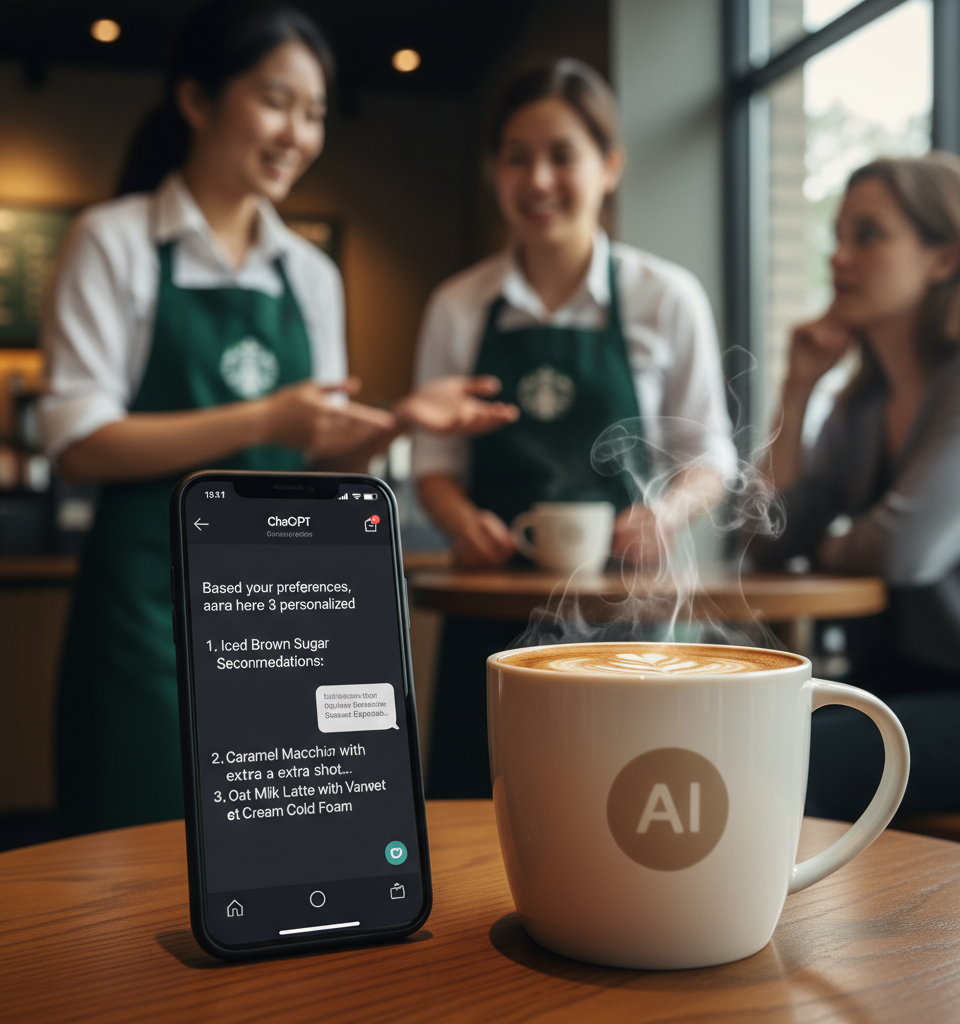
**San Francisco, CA – ** – In a move that underscores the burgeoning integration of artificial intelligence into everyday consumer life, OpenAI's widely recognized large language model, ChatGPT, has begun offering highly personalized Starbucks beverage recommendations. This novel application, which enables users to input their preferences, dietary restrictions, and even mood to receive bespoke drink suggestions, marks a significant foray for AI into the realm of individualized consumer choice. The development highlights a growing trend where advanced algorithms are being leveraged to enhance and diversify user experiences, moving beyond rudimentary information retrieval to proactive, tailored advice.
This development is particularly notable given the pervasive influence of brand loyalty and habitual purchasing in the fast-food and beverage sectors. For years, consumers have gravitated towards familiar orders, often overlooking the vast array of options available. ChatGPT's intervention aims to disrupt this pattern, encouraging exploration by leveraging its vast dataset to concoct unique combinations. This initiative positions AI not merely as a tool for efficiency but as a catalyst for discovery, potentially expanding consumer palettes and challenging established consumption habits within the multi-billion dollar coffee industry.
The functionality operates by prompting users for various inputs, such as their preferred coffee base (espresso, cold brew, tea), desired sweetness levels, milk alternatives, and even adventurousness. Early reports suggest that ChatGPT's suggestions can range from conventional modifications to surprisingly inventive concoctions, like a speculated “espresso with lemonade” – a testament to the AI's ability to synthesize unusual but potentially palatable pairings. While Starbucks has not officially endorsed or integrated this specific ChatGPT feature, the increasing sophistication of AI models means such independent applications can significantly influence consumer behavior and brand perception without direct corporate involvement.
The broader industry implications of this trend are substantial. The global coffee shop market, valued at approximately $260 billion in 2022 and projected to reach over $470 billion by 2030, is fiercely competitive. The introduction of AI-powered personalization tools, even if not directly branded, could compel major players like Starbucks, Dunkin', and Costa Coffee to accelerate their own AI integration strategies. This could manifest in in-app recommendation engines, AI-driven loyalty programs, or even interactive voice ordering systems that suggest new items based on past purchases and current trends. The potential for increased sales through upselling and cross-selling, driven by intelligent recommendations, represents a compelling economic argument for such investments.
Industry analysts and technological futurists view this development as a harbinger of more profound shifts. Dr. Evelyn Reed, a leading AI ethics researcher at Stanford University, commented, “We’re witnessing the evolution of AI from a passive tool to an active participant in consumer decision-making. While the novelty of coffee recommendations is lighthearted, it previews a future where AI will almost certainly influence purchases across all retail sectors, from fashion to finance. The balance between convenience and consumer sovereignty will be a critical issue as these systems become more sophisticated.” The ability of AI to understand natural language and synthesize complex requests opens doors for hyper-personalized marketing and product development.
Looking ahead, the integration of AI into consumer applications is expected to deepen significantly. We may see official partnerships between AI developers and major brands, leading to embedded AI assistants within brand-specific apps. Further advancements could involve predictive analytics, where AI anticipates consumer needs even before they express them, based on factors like weather, time of day, and historical purchase data. The future of retail could well be a symbiotic relationship between consumer and AI, with personalized experiences becoming the norm rather than the exception. Brands that proactively embrace these technologies will likely gain a significant competitive edge, while those that delay risk being left behind in an increasingly AI-driven market landscape.
This shift also raises questions about data privacy and the extent to which consumers are willing to share personal preferences for customized experiences. As AI recommendations become more intrusive, the need for robust data governance frameworks and transparent AI practices will become paramount. Ultimately, ChatGPT's foray into coffee personalization is more than just a quirky application; it's a window into the transformative potential of AI to redefine consumer engagement across diverse industries.