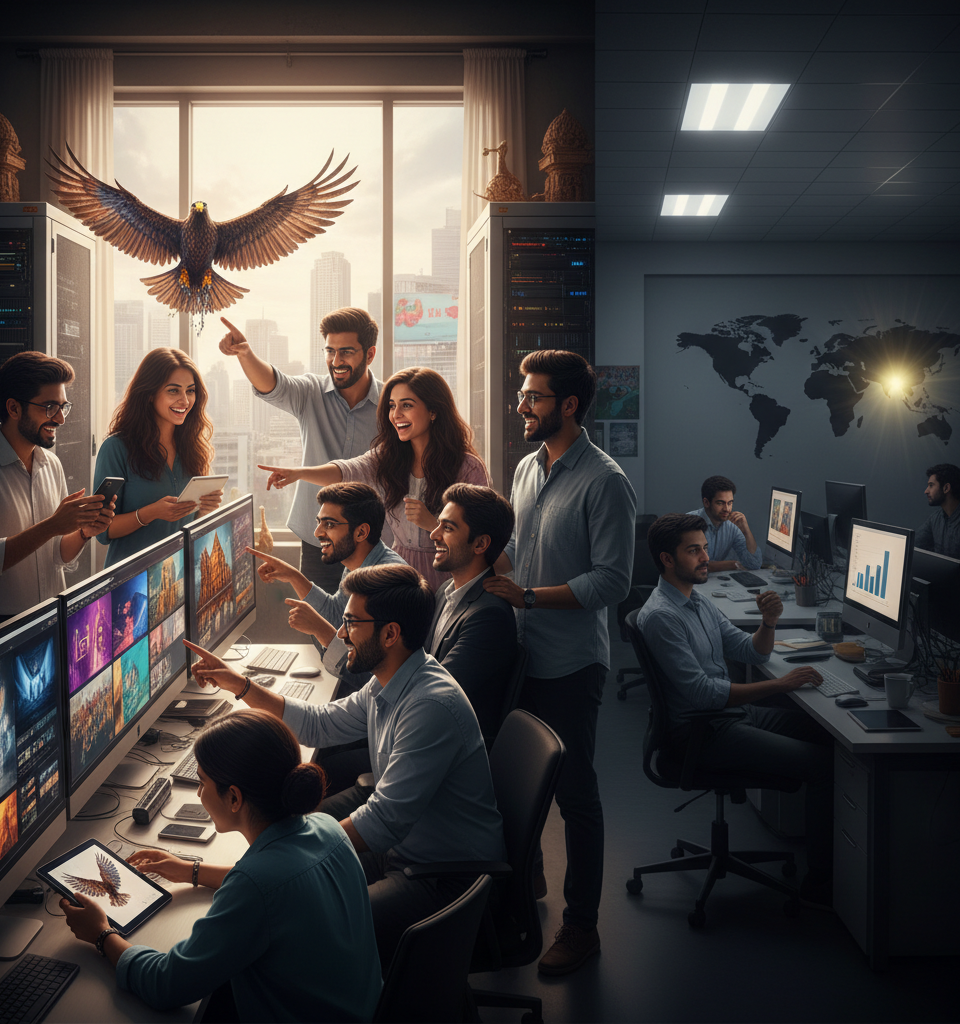
OpenAI's advanced AI image generation capabilities, integrated within ChatGPT and informally referred to as 'ChatGPT Images 2.0,' have found a remarkably fertile ground in India, where users are leveraging the technology for a diverse array of personal and creative visual content. From custom avatars and stylized profile pictures to highly detailed, cinematic-quality portraits, the feature's accessibility and versatility are resonating strongly with the Indian digital populace. This robust engagement in India stands in stark contrast to its relatively modest uptake elsewhere, prompting industry observers to explore the unique dynamics driving its localized success.
Context and Background
The burgeoning popularity of AI-generated content in India is not an isolated phenomenon but rather a reflection of the country's rapidly expanding digital economy and a youthful demographic increasingly fluent in digital tools. India currently boasts over 850 million internet users, with projections indicating further substantial growth. The accessibility of smartphones and affordable data plans has democratized internet access, fostering a culture of digital experimentation and content creation.
OpenAI's earlier versions of image generation tools, like DALL-E, had already piqued interest, but the seamless integration within ChatGPT — a platform many Indian users are already familiar with for text-based interactions — has significantly lowered the barrier to entry for visual AI. The ability to generate complex images with simple text prompts aligns well with the desire for quick, personalized digital expression.
Key Details and User Trends
Specific data from OpenAI, while not fully disclosed publicly for this particular feature, indicates a disproportionately high usage rate emanating from Indian IP addresses for image generation requests. Anecdotal evidence from social media platforms like X (formerly Twitter) and Instagram further corroborates this trend, with a noticeable influx of AI-generated profile pictures and themed visual stories tagged with references to ChatGPT or similar AI tools originating from Indian users. These users are frequently generating images for personal use, digital marketing for small businesses, and even creating visual narratives for educational purposes.
For instance, reports suggest that a high percentage of users are creating personalized avatars (estimated at over 60% of image generations) and cinematic-style portraits of themselves or fictional characters. This robust engagement points to a strong user demand for accessible and creative AI tools that can be easily customized.
Industry and Market Impact
This regional divergence in adoption could have significant implications for the broader AI market and competing platforms. While OpenAI gains valuable user data and feedback from the Indian market, it also highlights the potential for localization strategies in launching AI products globally. The strong uptake in India suggests a significant unmet need for accessible and intuitive image generation tools, which might prompt competitors like Google's Gemini or Meta's Imagine to intensify their efforts in the region. Furthermore, the extensive use by small and medium-sized enterprises (SMEs) in India for marketing materials and product visualizations could carve out a substantial new market segment for AI-powered design tools, potentially disrupting traditional graphic design services through cost-effective and rapid content creation.
Expert Perspective
"The Indian market's response to ChatGPT's image generation capabilities is a clear indicator of its digital maturity and appetite for innovation," says Dr. Anjana Sharma, a technology analyst specializing in emerging markets. "What we're seeing is not just passive consumption, but active co-creation. The relative accessibility of ChatGPT combined with a culture that values visual storytelling and personalization has created a perfect storm for this feature's success. For OpenAI, it offers a crucial testing ground for user experience and scalability, especially in a market with diverse languages and cultural nuances. The challenge now is to replicate this success globally, perhaps by understanding the specific cultural drivers that resonate so strongly in India." She added that the low barrier to entry, requiring no sophisticated graphic design skills, is a major draw.
What's Next: Future Implications and Developments
The accelerated adoption in India is likely to influence OpenAI's strategic decisions regarding future feature development, localization efforts, and marketing campaigns. It is plausible that OpenAI may invest further in optimizing its image generation models for Indian-specific aesthetics, cultural contexts, and perhaps even integrating regional languages more deeply into the prompting interface. The company might also explore partnerships with Indian content platforms or digital service providers to further embed its AI capabilities.
Beyond India, the insights gained could inform strategies for expanding the feature's appeal in other emerging markets with similar demographic and digital profiles. The long-term implications involve a potential shift in how personalized digital content is created and consumed globally, with AI playing an increasingly central role in democratizing visual expression and lowering content creation barriers for individuals and small businesses worldwide, ultimately driving down costs for visual asset generation by an estimated 30-50% in the coming years.