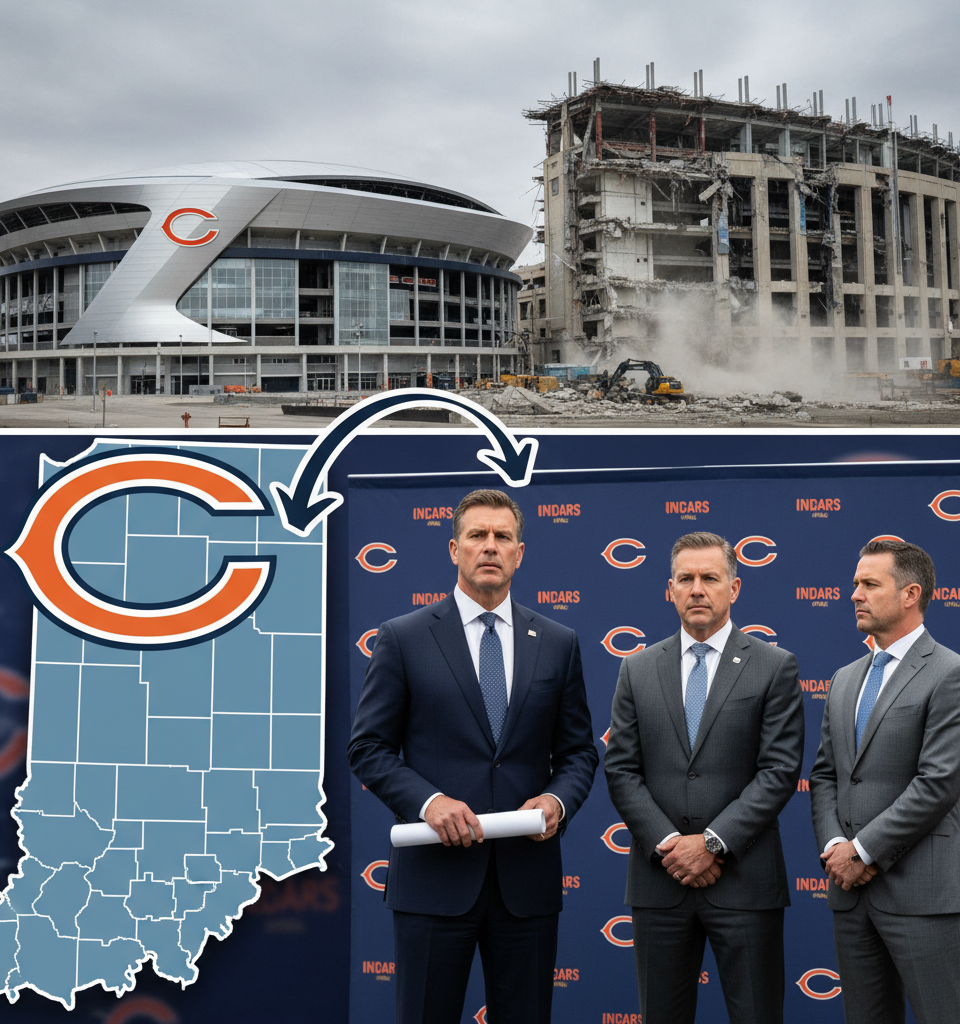
The Chicago Bears have concluded their protracted search for a new stadium site, stunning many by selecting a location within Indiana for their future home. This unanticipated announcement ends years of intense speculation and negotiations, signaling a major geographical and economic pivot for one of the NFL's most storied franchises. The decision represents a considerable blow to Illinois officials who had actively vied to keep the team within state borders.
For decades, the Bears have played at Soldier Field, a venue deeply intertwined with Chicago's identity and sporting history. However, the team's ownership has long expressed a desire for a modern, privately-funded stadium development that offers expanded revenue opportunities and a state-of-the-art fan experience. The limitations of Soldier Field, including its age, capacity constraints, and lack of surrounding development potential, have been central to the franchise's pursuit of a new facility. Multiple proposals within Illinois, including potential sites in Arlington Heights and Naperville, had been under consideration and were widely seen as the frontrunners.
Economic and Political Aftershocks
The move to Indiana is poised to trigger substantial economic and political ramifications. For Illinois, the departure of the Bears signifies the loss of a major economic engine, not only in terms of game-day revenue but also ancillary business generated by a prominent professional sports franchise. Local businesses, hospitality sectors, and tax revenues will undoubtedly feel the impact. Conversely, Indiana stands to gain significantly from this development, attracting potentially billions in investment for the new stadium complex and associated commercial and residential growth. This decision highlights the increasing competition among states to lure or retain major sports teams, often involving considerable incentive packages.
Industry Repercussions
The professional sports industry watches such moves closely, as they often set precedents for franchise relocation and stadium financing models. This decision could embolden other teams facing similar facility challenges to explore options beyond their traditional geographic confines if more favorable economic or political climates exist elsewhere. The financing structure, public-private partnerships, and potential state incentives offered by Indiana will be scrutinized by other cities and teams contemplating new stadium projects.
What Lies Ahead
While the decision on the general location has been made, specific details regarding the exact site within Indiana, the architectural plans, financing agreements, and projected timeline for construction remain to be fully unveiled. The coming months are expected to bring further announcements regarding these particulars, which will clarify the scope and scale of this ambitious undertaking. The full transition of the Bears to their new Indiana home is a multi-year endeavor, involving complex logistical, legal, and operational challenges. Fans, city officials, and sports analysts will be closely monitoring each phase of this unprecedented relocation.