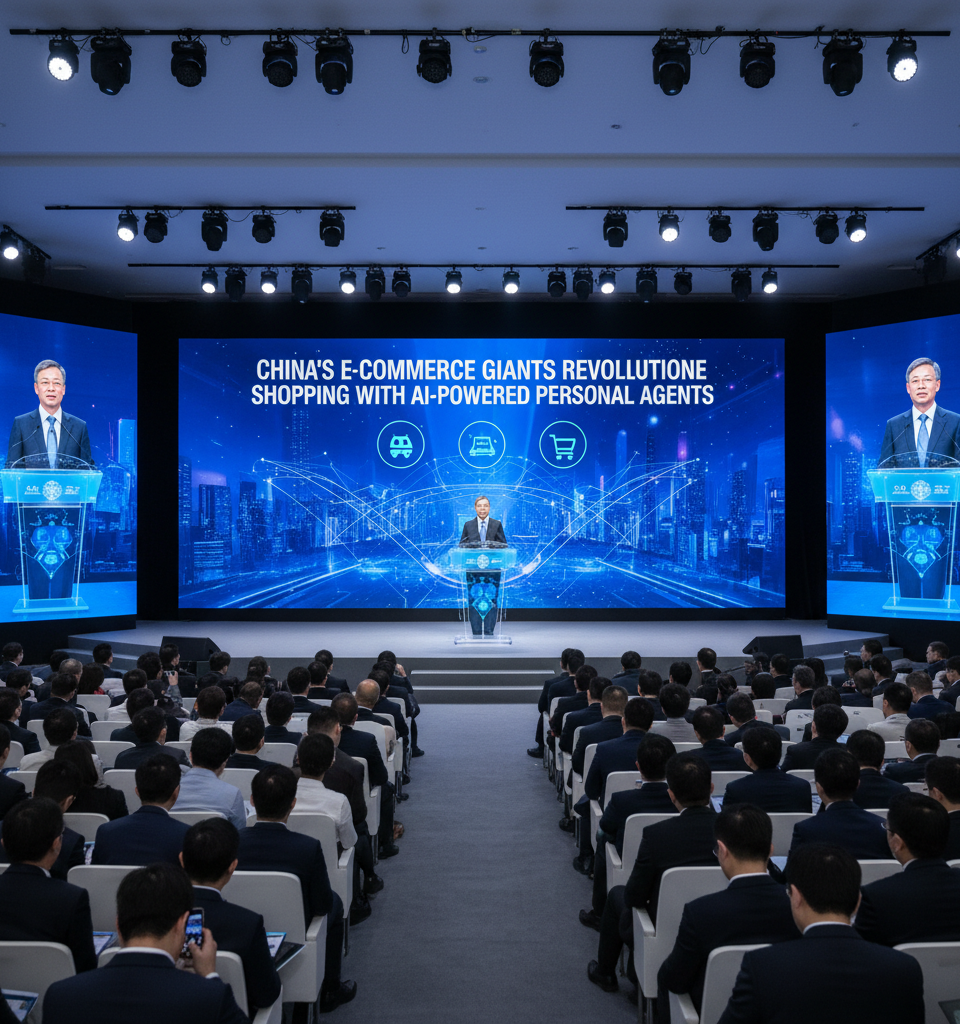
The way millions of Chinese consumers shop online is undergoing a seismic transformation as technology behemoths pivot from conventional search functionalities to sophisticated artificial intelligence agents. This pivotal shift was dramatically underscored recently when Alibaba Group, the nation's e-commerce titan, officially integrated its proprietary Qwen artificial intelligence assistant with Taobao, its flagship online marketplace. This strategic move grants the AI chatbot unparalleled access to an immense catalog of over four billion products, effectively ushering in an age where personalized AI agents are set to redefine the digital retail journey.
The Evolution of Online Commerce
For nearly two decades, the bedrock of online shopping in China, much like globally, has been the simple act of typing keywords into a search bar. Consumers would then meticulously scroll through an often overwhelming grid of listings, comparing products, prices, and reviews to make purchasing decisions. This ritual, deeply ingrained in the habits of hundreds of millions of users, is now being systematically dismantled. The introduction of AI agents represents a significant leap from passive search to active, intelligent assistance, promising a more intuitive and efficient shopping experience that anticipates user needs rather than merely responding to explicit queries.
Key Implementations and Capabilities
Alibaba's Qwen integration on Taobao is not just a cosmetic update; it's a profound systemic change. The AI assistant is designed to comprehend complex natural language queries, understand user intent, and proactively suggest relevant products, bundles, and even personalized recommendations tailored to individual preferences and past shopping behaviors. Imagine asking, “I need an outfit for a casual summer picnic in the park that matches my green eyes,” and receiving curated suggestions, rather than sifting through generic lists of dresses or picnic baskets.
This level of personalized interaction blurs the lines between a personal shopper and a digital assistant, saving time and potentially enhancing satisfaction. While specific transaction figures linked directly to Qwen aren't yet public, Alibaba's continued investment in AI underscores its commitment to maintaining its market dominance amidst fierce competition.
Broadening Industry Impact
This trend is not confined to Alibaba. Other major Chinese tech players are also aggressively investing in and deploying similar AI capabilities across their platforms. Companies like JD.com and Pinduoduo are exploring or have already begun integrating generative AI into their user interfaces, recognizing the competitive imperative. The broader e-commerce landscape is bracing for a fundamental shift, where user interfaces become less about navigation and more about conversation. This paradigm shift also extends beyond mere product discovery; AI agents are expected to handle customer service inquiries, facilitate returns, and even negotiate prices, creating a much more seamless and integrated retail ecosystem. The potential for increased conversion rates and reduced customer acquisition costs is a powerful motivator for these industry leaders.
Expert Perspectives
Industry analysts view this as a pivotal moment for e-commerce, not just in China but globally. Sarah Chen, a senior analyst at a leading tech research firm, stated, "This isn't just an incremental improvement; it's a foundational change in how consumers will interact with digital marketplaces. The move to AI agents signifies the true personalization of e-commerce, moving beyond basic recommendation engines to truly predictive and proactive assistance. Companies that fail to adapt will quickly find themselves outmaneuvered." Experts also highlight the vast quantities of data these platforms possess, which will be instrumental in training and refining these AI models, giving Chinese tech giants a significant advantage in this new frontier.
The Road Ahead: Future Implications
The implications of this shift are far-reaching. Beyond enhanced consumer convenience, AI agents could lead to more efficient supply chain management as market demand is better understood and predicted. Advertisers will also need to adjust their strategies, moving from keyword-centric campaigns to more contextual, intent-based targeting within AI-driven conversations. The ultimate vision is an e-commerce environment where the shopping process is so intuitive, it becomes almost invisible—a frictionless experience driven by intelligent digital assistants. While challenges regarding data privacy, ethical AI use, and potential algorithmic bias remain, the clear trajectory is towards an increasingly intelligent and personalized online retail future, with China's tech giants leading the charge.