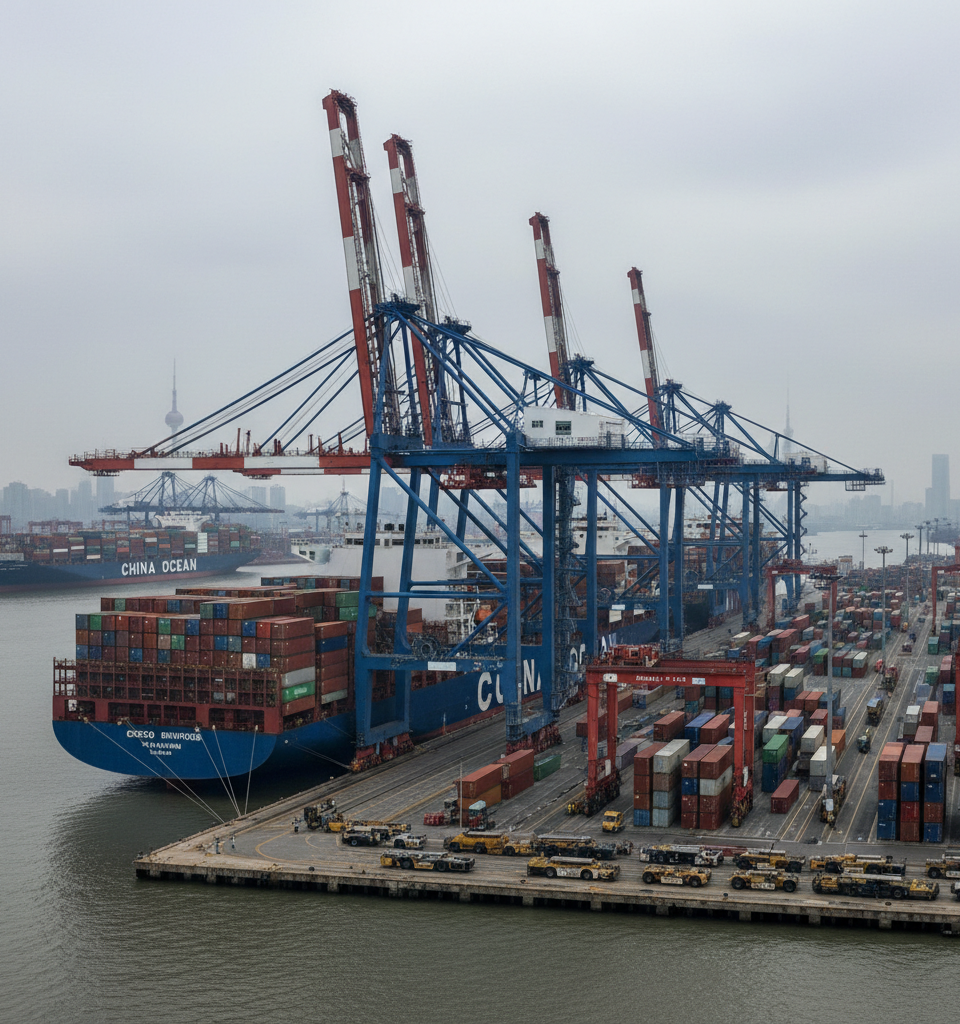
Beijing, China – April 12, 2024 – China's trade surplus dramatically shrank in March, significantly underperforming analyst expectations, as export growth slowed considerably and imports surged. The sharp contraction in the trade balance reflects a complex interplay of weakening global demand, robust domestic economic activity, and potentially volatile commodity prices, prompting closer scrutiny of Beijing's economic trajectory.
Shifting Dynamics in Global Trade
The March trade figures underscore a notable shift in the dynamics of global trade, particularly concerning China, the world's largest exporter. Historically, China has maintained a substantial trade surplus, a cornerstone of its economic model. However, the recent data suggests a potential rebalancing where internal consumption and investment are playing a more prominent role, while the external sector faces headwinds. This evolution holds significant implications for global supply chains, international trade relations, and the future of China's economic integration.
Key Data Reveals Unexpected Trends
Official data released by China's General Administration of Customs revealed that the trade surplus in March narrowed to approximately US$5.85 billion, a stunning drop from the US$60.36 billion recorded in February. This figure starkly contrasted with a Reuters poll of economists who had largely predicted a surplus of around US$38 billion. The deceleration was primarily driven by exports, which grew by only -7.5% year-on-year in dollar terms, confounding expectations for continued moderate growth. Conversely, imports experienced a robust surge, rising by 1.9% year-on-year, rebounding sharply from February's modest growth and signaling a strengthening domestic demand within the Chinese economy.
Broader Market and Industry Impact
This significant shift in China's trade balance is expected to reverberate across various sectors. For global manufacturers and suppliers, the deceleration in Chinese exports could indicate softening demand in key markets, potentially impacting raw material prices and production schedules. On the import side, the robust growth signals increased domestic demand in China, which could benefit international commodity exporters and brands targeting the Chinese consumer market. Industries heavily reliant on China's export machine, from shipping to component manufacturing, will be closely monitoring these trends for potential long-term shifts in production and trade volumes.
Expert Analysis Points to Mixed Signals
Economists and market analysts are offering mixed interpretations of the March data. "The sharp deceleration in exports highlights persistent weakness in global demand, particularly from major economies grappling with inflation and tighter monetary policies," commented Dr. Xiaojuan Gao, Chief Economist at East-West Financial Holdings. "However, the surprising strength in imports suggests that China's domestic recovery is gaining traction, driven by robust consumption and infrastructure investment." Other experts point to the possibility of seasonal factors and the 'front-loading' of exports in earlier months impacting the March figures. There's also speculation that commodity price fluctuations played a role in the import surge.
What Lies Ahead: A Path of Uncertainty?
Looking ahead, the trajectory of China's trade balance hinges on several critical factors. The global economic outlook remains uncertain, with potential slowdowns in key export markets such as Europe and the United States. Domestically, Beijing's policies aimed at stimulating consumption and investment will be crucial in sustaining import demand. Policymakers will likely scrutinize these figures as they navigate economic growth targets, balance trade relations, and manage currency stability. Further stimulus measures or adjustments to industrial policy could be anticipated if export weakness persists, while the strength of imports might offer some buffer against external shocks. The coming months will provide clearer insights into whether March's figures represent a temporary blip or a more fundamental shift in China's trade profile, with significant implications for both its own economy and the global marketplace.