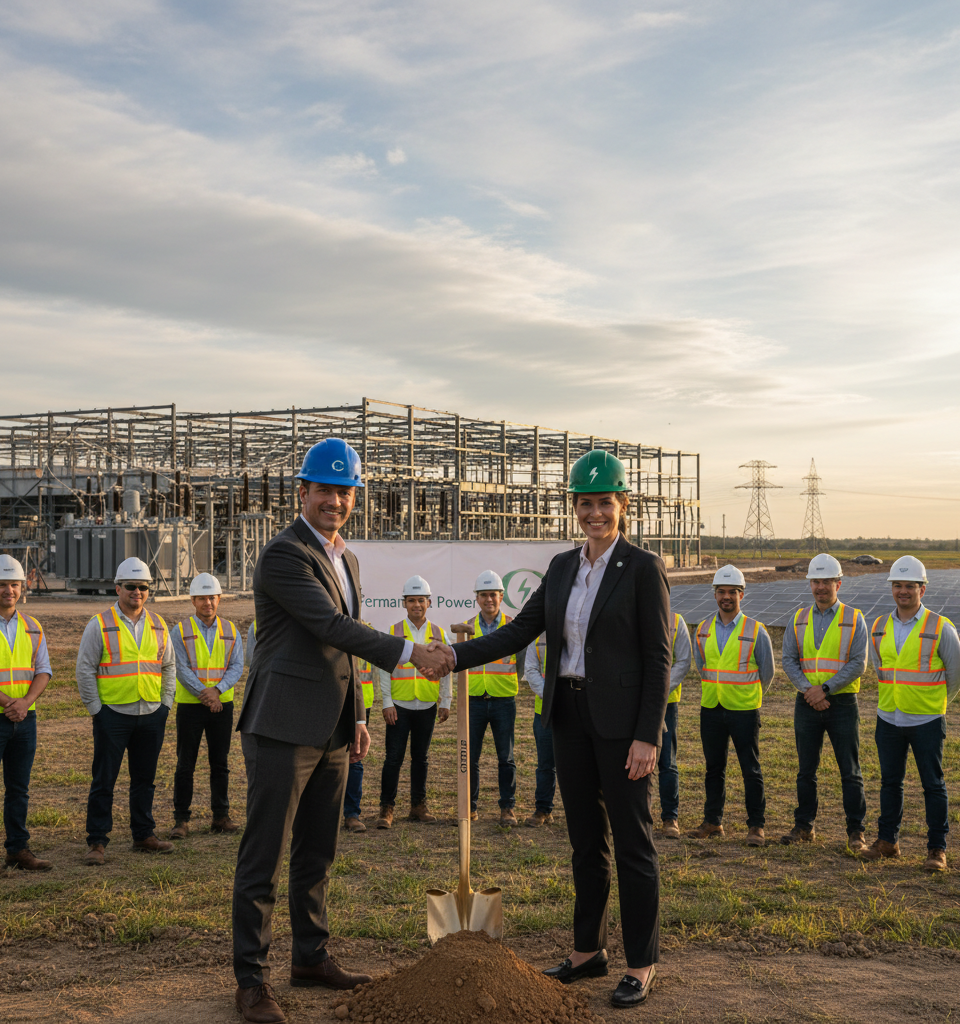
CIM Group, a multi-billion-dollar vertically integrated owner and operator of real assets, has officially unveiled "Permanent Power," a dedicated platform designed to develop, own, and operate power generation and transmission assets. This strategic move positions CIM Group to capitalize on the surging power requirements of the digital economy, particularly in relation to the proliferation of artificial intelligence (AI) and data center infrastructure. The platform's core focus will be on projects situated within Qualified Opportunity Zones (QOZs), leveraging the tax incentives associated with these designated areas to attract capital for critical energy developments in underserved rural communities.
Driving Forces Behind the Initiative
The launch of Permanent Power comes at a pivotal moment, as the United States grapples with an unprecedented surge in electricity demand. The exponential growth of AI technologies and the relentless expansion of data centers, which are the backbone of modern digital services, are exerting immense pressure on existing power grids. Industry reports indicate that data center power consumption is projected to double by 2030, transforming a sector traditionally known for its energy intensity into a primary driver of new power generation needs. CIM Group's entry into this space reflects a calculated response to this fundamental shift, identifying a unique opportunity to bridge the gap between energy supply and demand, particularly in locations amenable to large-scale infrastructure deployment.
Investment Strategy and Scope
Permanent Power's investment strategy is multi-faceted, encompassing a broad spectrum of power generation technologies, including renewables like solar and wind, as well as natural gas-fired plants, and critical transmission infrastructure. The platform will target rural QOZs, which offer significant advantages such as ample land for large-scale energy projects, lower development costs, and often, more streamlined permitting processes compared to urban or suburban areas. This approach also aligns with the original intent of the QOZ program: to spur economic development and job creation in distressed communities.
The platform will seek out opportunities near existing or planned high-voltage transmission lines, ensuring efficient connectivity to the national grid and proximity to potential data center off-takers. While specific financial targets were not disclosed, CIM Group's track record suggests substantial capital allocation for this long-term endeavor.
Market Impact and Competitive Landscape
The introduction of Permanent Power is expected to have a notable impact on both the energy and real estate sectors. By focusing on QOZs, CIM Group is not only addressing the power deficit but also potentially unlocking significant private capital for rural economic development. This initiative could catalyze further investment in these regions, fostering a symbiotic relationship between energy infrastructure and the burgeoning digital economy. The power generation and transmission market is highly competitive, featuring established utilities, independent power producers, and increasingly, technology giants investing directly in their own power solutions. CIM Group's differentiator lies in its integrated real estate expertise, allowing for a more holistic approach to site selection, development, and long-term asset management, coupled with the attractive QOZ tax benefits.
Expert Perspectives
Energy sector analysts view CIM Group's move as a sophisticated response to evolving market dynamics. "The convergence of real estate, infrastructure, and technology is creating novel investment opportunities, and power is at the epicenter," explains Dr. Eleanor Vance, a senior energy economist at Terra Insights. "CIM Group's focus on QOZs for power projects presents a compelling arbitrage opportunity, combining attractive tax incentives with a guaranteed off-take market driven by AI and data center expansion. This isn't just about building power plants; it's about strategically positioning critical infrastructure for the next wave of technological innovation." She added that the long-term, stable cash flows typically associated with power assets, particularly those serving essential industries, make them attractive to institutional investors.
Future Outlook and Expansion
Looking ahead, Permanent Power plans to rapidly scale its portfolio, aiming to establish a significant footprint across various rural QOZs nationwide. The platform will actively pursue partnerships with local communities, utility providers, and technology companies to ensure successful project execution and integration. As the demands of AI and data centers continue to intensify, the platform anticipates exploring advanced energy storage solutions and potentially microgrid developments to enhance grid resilience and reliability.
The long-term vision is to become a leading provider of sustainable and reliable power solutions tailored to the specific needs of the digital infrastructure sector, while simultaneously driving economic growth in designated opportunity zones. CIM Group's integrated approach and substantial capital resources position Permanent Power for considerable expansion in the coming years, potentially reshaping how power infrastructure is developed and financed for the digital age.
Sustainability and Community Engagement
In addition to its financial objectives, Permanent Power is committed to sustainable development practices and meaningful community engagement. Projects will undergo rigorous environmental impact assessments, and where feasible, prioritize renewable energy sources to minimize carbon footprint. CIM Group understands the importance of working closely with local stakeholders, including landowners, elected officials, and residents, to ensure that projects are developed responsibly and create lasting positive impacts, such as local job creation during construction and operation, and increased tax revenues for rural areas. This holistic approach aims to build trust and foster long-term relationships, critical for the successful deployment of large-scale infrastructure projects.