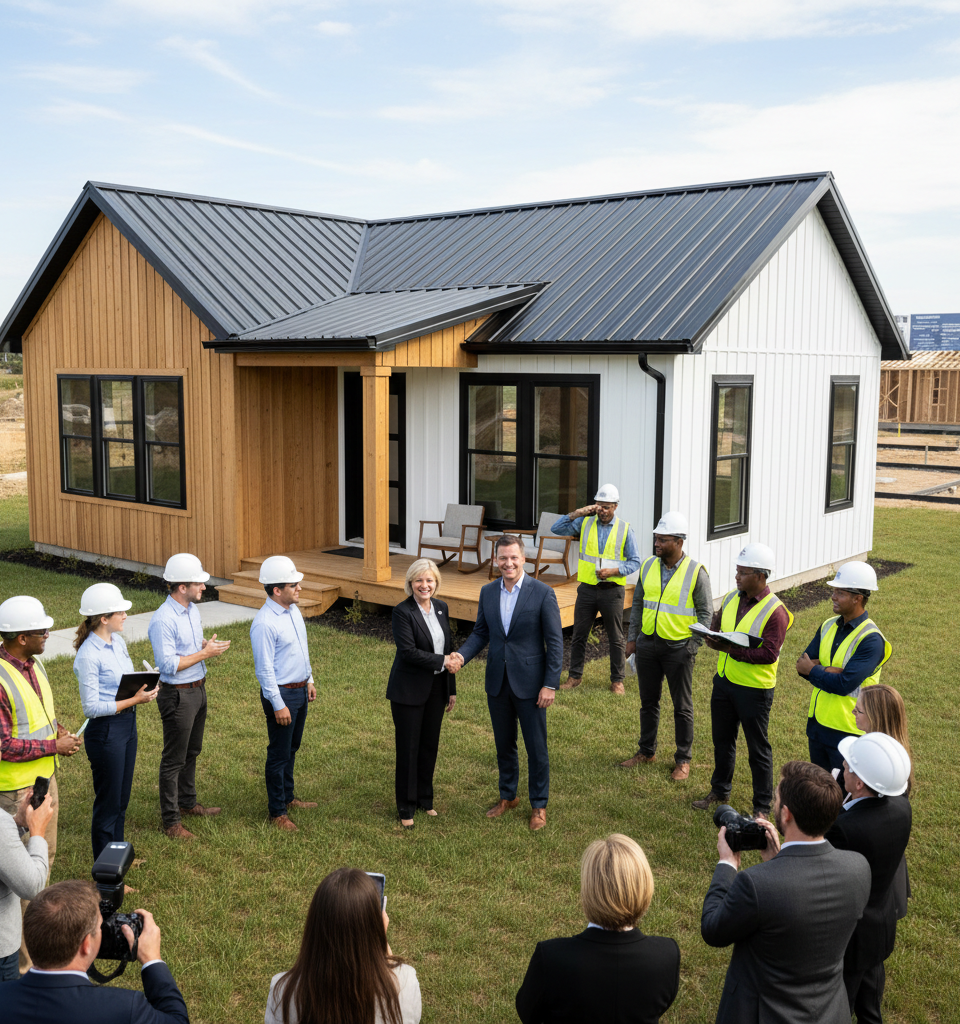
Clayton, a dominant force in the U.S. housing market, has officially launched its CrossMod single-section affordable homes, marking a significant entry into the "missing middle" housing segment. This strategic move, announced recently, leverages the company's decade-long commitment to kaizen – the Japanese philosophy of continuous improvement championed by Chairman and CEO Kevin Clayton. The new offering seeks to bridge the gap between traditional manufactured homes and conventional site-built residences, providing a more accessible and aesthetically appealing housing solution for a broad spectrum of American families.
Addressing the Housing Affordability Crisis
The introduction of CrossMod single-section homes comes at a crucial time when housing affordability remains a paramount concern across the United States. The term "missing middle" refers to a range of multi-family and clustered housing types, compatible in scale with single-family homes, that are often absent from suburban landscapes due to zoning restrictions and market preferences. Clayton's CrossMod homes are specifically designed to overcome these hurdles, offering an appealing and cost-effective alternative to both entry-level site-built homes and traditional manufactured housing. This initiative is a direct response to a national housing shortage estimated to be in the millions, exacerbating affordability challenges for moderate-income households.
Innovative Design and Financial Integration
The CrossMod designation, a relatively new classification from the Federal Housing Finance Agency (FHFA), allows for these homes to qualify for conventional financing options typically reserved for site-built properties. This is a critical distinction, as traditional manufactured homes often face higher interest rates and more restrictive loan terms. Clayton's single-section CrossMod homes boast architectural features often associated with site-built houses, such as permanent foundations, garages, covered porches, and enhanced curb appeal. These design elements aim to reduce the stigma sometimes associated with manufactured housing, making them more acceptable to local communities and lenders. The streamlined construction process in Clayton's state-of-the-art facilities also promises greater efficiency and reduced waste compared to traditional on-site construction.
Impact on the Broader Housing Market
This launch by Clayton is expected to have a notable ripple effect across the broader housing market. By providing a product that bridges the cost-quality divide, Clayton is poised to capture a significant share of the market struggling with affordability. Builders of traditional stick-built homes may face increased competition in the entry-level segment, potentially driving innovation and cost-saving measures across the industry. Furthermore, the increased availability of conventional financing for CrossMod homes could unlock new opportunities for developers and homebuyers alike, fostering greater economic inclusion. Over the past year, demand for more affordable housing solutions has surged by an estimated 15-20%, according to recent industry reports.
Expert Perspectives on Market Disruption
Housing analysts are largely optimistic about Clayton's strategic move. Dr. Emily Carter, a senior economist specializing in housing trends, remarked, "Clayton's CrossMod single-section homes represent a genuinely disruptive innovation. By leveraging their manufacturing prowess and integrating features that qualify for traditional mortgages, they are directly addressing bottlenecks in both supply and finance. This isn't just about building more homes; it's about building smarter and more affordably." Other experts highlight the potential for these homes to ease inventory shortages in key suburban and rural markets, where land costs make traditional site-built homes increasingly prohibitive.
Future Implications and Scaling Potential
The long-term implications of Clayton's CrossMod expansion are substantial. The company plans to scale its production of these homes significantly, leveraging its vast network of manufacturing facilities and dealerships across the country. Discussions are also underway with various municipalities and advocacy groups to streamline zoning regulations and building codes to better accommodate this innovative housing type. The success of the single-section CrossMod could pave the way for further integration of advanced manufacturing techniques into mainstream housing construction, potentially transforming how homes are built and financed in America for decades to come. The goal is to deliver tens of thousands of these homes annually within the next five years, significantly contributing to national housing stock.
Clayton's unwavering commitment to the kaizen philosophy is evident in this latest initiative. By continuously refining its products and processes, the company not only seeks to maintain its leadership position but also to make a tangible difference in the lives of American families grappling with the nation's persistent housing affordability crisis. This is a strategic pivot that could redefine the landscape of affordable housing.