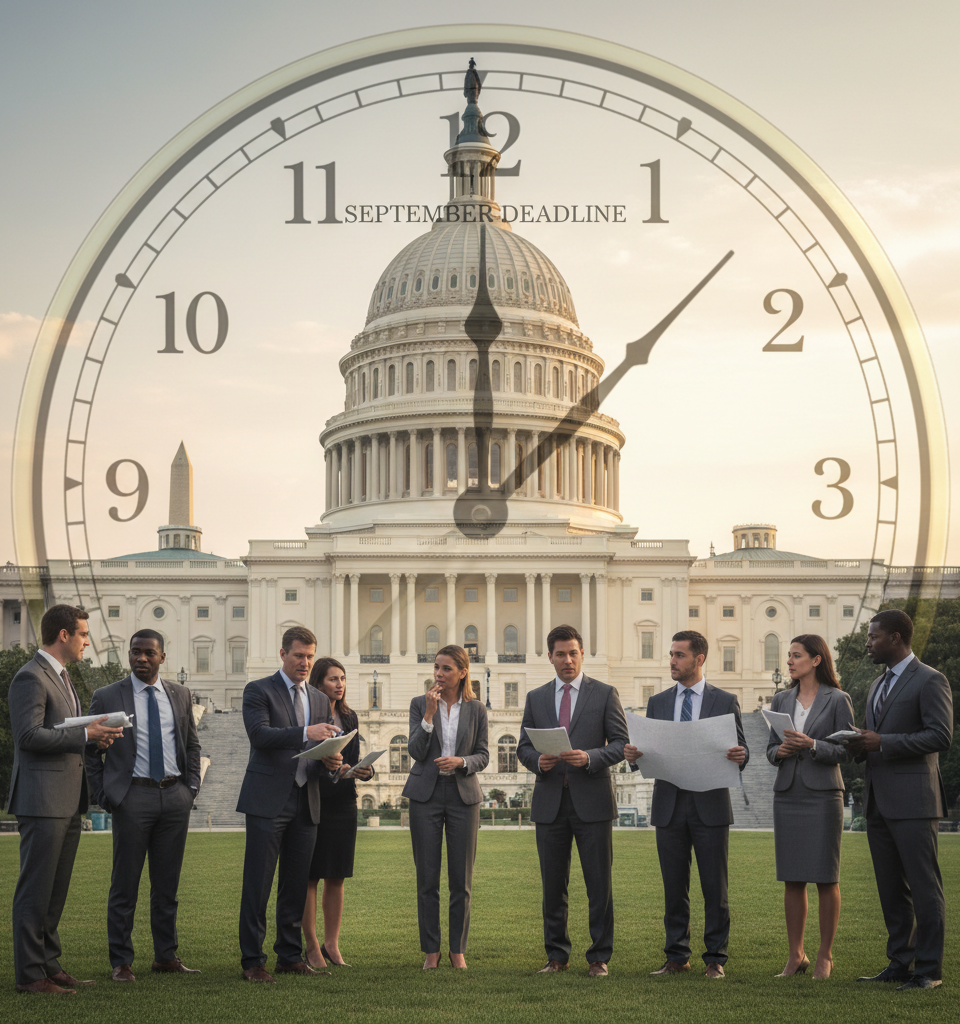
Washington D.C. — As the September 30 fiscal year end fast approaches, both chambers of the U.S. Congress are under increasing pressure to finalize sweeping legislative changes to the Toxic Substances Control Act (TSCA). This critical deadline marks the culmination of efforts to modernize the nation's primary chemical safety law, a process that promises significant shifts for chemical manufacturers, downstream industries, and consumers nationwide. The proposed reforms aim to strengthen the Environmental Protection Agency's (EPA) authority to regulate chemicals, ensuring greater public health and environmental protection.
The Urgent Need for Modernization: A Legacy of Loopholes
The push for TSCA reform is rooted in decades of criticism regarding the law's perceived inadequacy. Enacted in 1976, TSCA was widely considered ineffective, allowing tens of thousands of chemicals to enter the market with little safety testing or regulatory oversight. Prior to the last major amendments in 2016, the EPA had only banned a handful of chemicals out of over 80,000 in commercial use, famously failing to ban asbestos. This historical context underscores the current legislative impetus to establish a more robust, science-based framework for evaluating and managing chemical risks, addressing concerns from environmental groups, public health advocates, and even some industry leaders who seek regulatory certainty.
Key Legislative Battlegrounds and Proposed Changes
While specific details of the current legislative proposals remain under negotiation, key areas of focus include enhanced EPA authority to demand more comprehensive data on chemical safety, stricter risk evaluation processes, and increased transparency. Manufacturers are particularly attuned to potential changes in new chemical review timelines, existing chemical prioritization, and the scope of chemicals subject to regulation. Lobbying efforts from influential trade groups such as the American Chemistry Council (ACC) and the National Association of Manufacturers (NAM) are vigorous, advocating for balanced legislation that promotes innovation while ensuring safety. Industry sources indicate potential for provisions addressing PFOA and PFAS 'forever chemicals,' and stricter guidelines for substances linked to developmental issues, areas where public concern has reached fever pitch in recent years.
Industry on Alert: Navigating a Shifting Regulatory Landscape
The potential overhaul of TSCA carries profound implications for the $528 billion U.S. chemical manufacturing industry, which employs over 800,000 people directly. Companies are actively engaging in scenario planning, assessing how new regulations might impact product development cycles, manufacturing costs, supply chains, and market access. Small and medium-sized enterprises (SMEs) face particular challenges, as enhanced testing requirements could impose significant financial burdens. Experts predict a surge in compliance costs, potentially ranging from 5% to 15% for certain product lines in the initial years following reform, though these figures are highly dependent on the final legislative language.
Expert Insights: Balancing Innovation and Protection
Environmental policy experts emphasize the delicate balance Congress must strike. Dr. Anya Sharma, a chemical policy analyst at the Environmental Law Institute, states, "The ultimate goal is a TSCA that is both protective and practical. We need to empower the EPA without stifling innovation or creating insurmountable hurdles for legitimate businesses." Conversely, industry strategists like Mr. Robert Davis, a senior consultant at ChemReg Advisors, point to the need for clear guidelines and predictable timelines. "Uncertainty is the greatest challenge for businesses. We need a framework that allows for long-term investment planning, not a constantly shifting target." Both sides agree that broad bipartisanship will be key to creating durable legislation.
What Lies Ahead: A Race Against the Clock
With the September 30 deadline looming, the legislative schedule is tight. Committee hearings, staff negotiations, and potential floor votes are expected to intensify in the coming weeks. Should Congress fail to reach a consensus, the existing TSCA framework would remain largely in place, leaving many of the identified shortcomings unaddressed. However, the political will for reform is strong, driven by public demand and a recognition among policymakers that the current law is insufficient. Manufacturers, in particular, are urged to maintain open lines of communication with their clients, industry associations, and legal counsel to stay abreast of evolving legislative proposals and prepare for a potentially transformative new era in chemical regulation.
The outcome of these negotiations will not only define the future of chemical safety in the U.S. but also set a precedent for regulatory approaches globally, impacting trade and international environmental standards for years to come. The stakes are undeniably high for all involved.