Lead
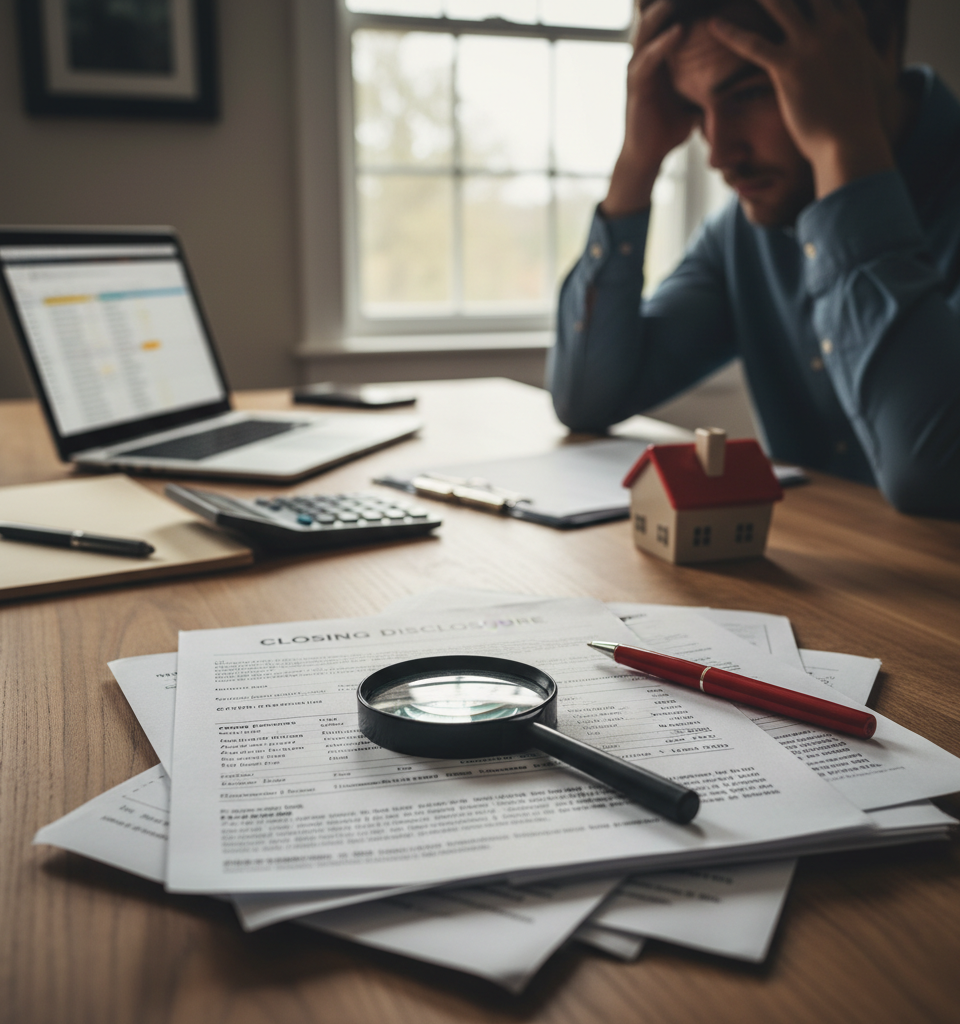
Closing costs remain one of the most misunderstood aspects of homebuying, with the average transaction now carrying $6,900 in lender, title, and government fees. Consumer advocates say greater transparency could save buyers thousands.
Context
The TILA-RESPA Integrated Disclosure rule requires lenders to provide detailed cost breakdowns, but many buyers still encounter surprise charges at the closing table. The Consumer Financial Protection Bureau has flagged junk fees as a priority enforcement area.
Details
Typical closing costs include origination fees (0.5-1% of the loan), appraisal ($500-$700), title insurance ($1,000-$2,000), and recording fees ($100-$500). Less visible charges include courier fees, document preparation fees, and rate lock extension fees. Some lenders have begun eliminating certain junk fees under regulatory pressure.
Impact
On a $350,000 mortgage, closing costs typically range from $7,000 to $14,000 or 2-4% of the loan amount. Buyers who negotiate effectively can reduce these costs by $1,000-$3,000 through lender credits, seller concessions, and fee waivers.
Analysis
Shopping multiple lenders remains the single most effective way to reduce closing costs. Studies show that borrowers who obtain at least three loan estimates save an average of $1,200 compared to those who accept the first offer.
Outlook
Proposed federal regulations could cap certain closing cost categories and require more standardized fee structures across lenders, potentially reducing costs industry-wide.