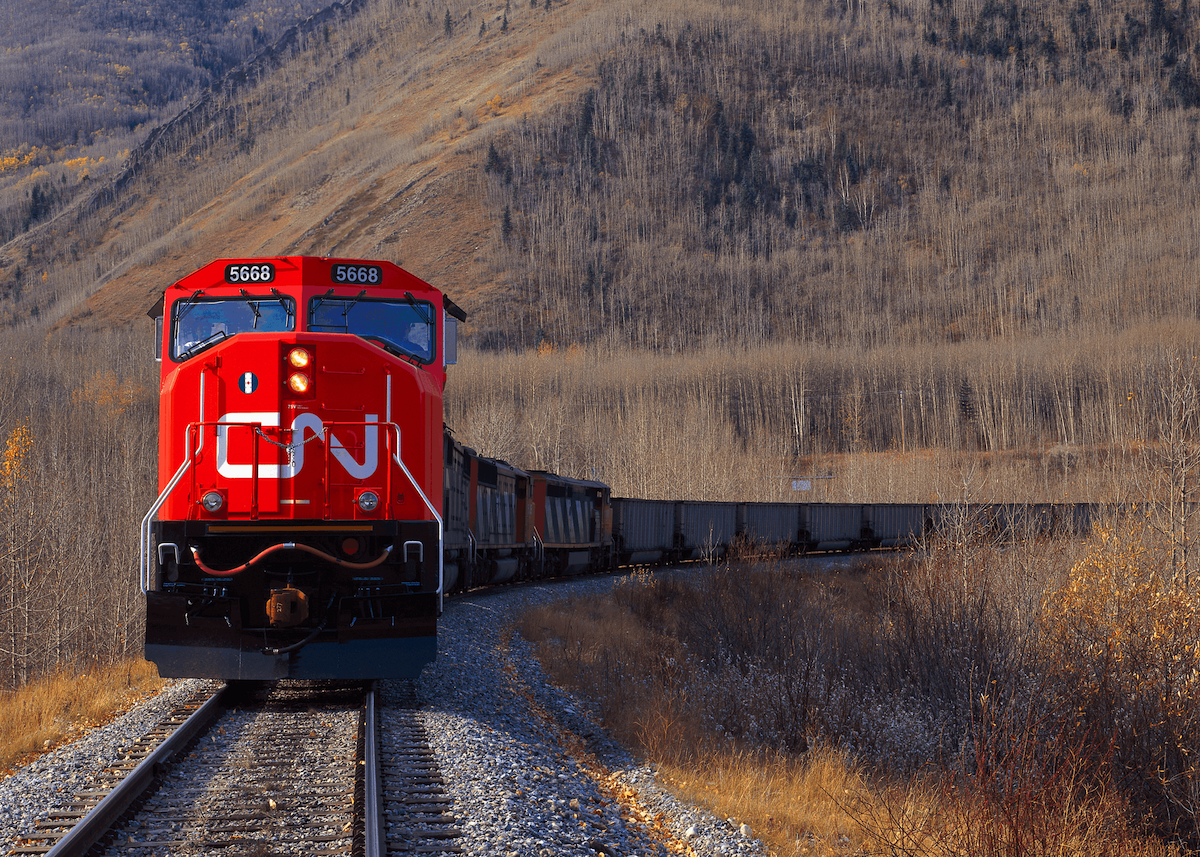
CHICAGO, IL – May 19, 2026 – A senior executive at Union Pacific Railroad has publicly repudiated claims made by Canadian National Railway (CN) concerning the data presented in CN's merger application with Norfolk Southern. The executive's strong rebuttal centers on accusations that CN deliberately understated the volume of traffic it anticipates diverting from competitor railroads, a critical element in assessing the competitive impact of such a major consolidation.
The controverted data forms a pivotal part of CN's proposal to acquire Norfolk Southern, a deal that would reshape the North American rail landscape. Regulatory bodies, particularly the Surface Transportation Board (STB), scrutinize such projections to evaluate potential anti-competitive effects, assess impacts on shippers, and determine the overall public interest. Discrepancies or alleged inaccuracies in these foundational figures can significantly complicate the approval process and invite intense scrutiny from industry stakeholders and governmental oversight.
Allegations of Data Misrepresentation
The Union Pacific executive's comments directly challenge CN's defense against accusations of lowballing traffic diversion figures. CN has reportedly asserted that it did not intentionally understate the volume of freight traffic it expects to capture from rival carriers, including Union Pacific, should its merger with Norfolk Southern proceed. However, the Union Pacific representative reportedly dismissed these assertions, maintaining that the data provided by CN is, in fact, inaccurate and potentially misleading regarding the scale of anticipated traffic shifts.
This isn't merely an arcane statistical dispute; it touches upon the very core of competition in the freight rail industry. Any substantial shift in traffic volumes from one Class I railroad to a newly merged entity could have profound implications for market share, service quality, and pricing for shippers across various sectors. For Union Pacific, a significant and unacknowledged diversion of traffic could erode its competitive standing and operational efficiency, necessitating a forceful challenge to CN's presented data.
Industry Context and Regulatory Scrutiny
Mergers of this magnitude in the rail sector are notoriously complex and face stringent regulatory hurdles. The STB, tasked with evaluating such proposals, typically demands comprehensive analyses of competitive impacts, including detailed projections of traffic flows. Transparency and accuracy in these submissions are paramount, as they form the basis for regulatory decisions that can affect an entire industry for decades.
Past rail mergers have often involved prolonged legal and lobbying battles, with competing railroads and shipper groups raising concerns about market concentration, diminished service options, and potential price hikes. The current contention over CN’s traffic diversion estimates indicates that the proposed CN-Norfolk Southern merger is unlikely to be an exception, suggesting a protracted and contentious review process ahead.
Implications for Shippers and Competition
A central concern for shippers is whether a merged CN-Norfolk Southern entity would reduce transportation options, potentially leading to higher rates and less responsive service. If CN's projected traffic gains from competitors are indeed understated, as Union Pacific alleges, it could mean a far greater concentration of rail power than officially acknowledged, exacerbating these concerns for businesses reliant on rail transport. The accuracy of these figures is therefore not just a technicality but a fundamental issue for market competition and consumer welfare.
Moreover, the battle over data accuracy could set a precedent for future rail merger applications, emphasizing the need for meticulous detail and verifiable projections. Regulators will likely scrutinize all submissions with increased rigor, potentially leading to more extensive data requirements and independent audits in future cases. The outcome of this dispute could influence how all major rail players approach competitive analyses for years to come.
The Path Forward
The ongoing dispute underscores the deep-seated competitive tensions within the Class I railway sector. Union Pacific's executive's strong stance signals that the company intends to vigorously contest the merger on grounds of competitive harm, leveraging any perceived inaccuracies in CN's application. Such challenges typically involve detailed economic analysis, expert testimony, and potentially lengthy legal proceedings before the STB.
As the regulatory review of the CN-Norfolk Southern merger application progresses, the STB will be compelled to thoroughly investigate these claims and counter-claims regarding traffic diversion data. The resolution of this specific data dispute will undoubtedly be a crucial factor in the STB's ultimate determination of whether the proposed merger serves the public interest and does not unduly harm competition.