Cross-border supply chain resilience and local market responsiveness are directly impacted by large-scale domestic investment strategies like this. Global sellers must consider how such commitments affect material sourcing, distribution networks, and competitive landscapes. This move could influence future investment patterns for other international brands.
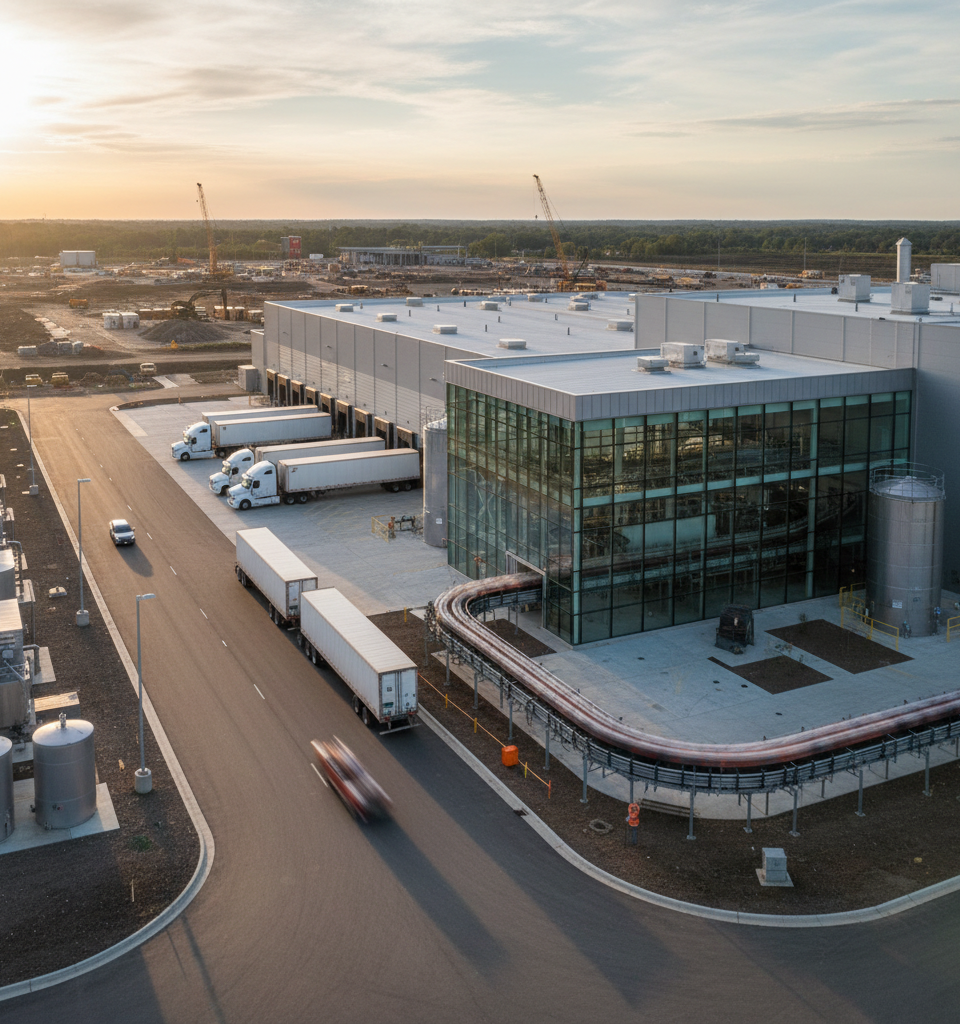
Coca-Cola, in conjunction with its independent bottling partners, plans to invest approximately $10 billion into its U.S. manufacturing infrastructure by 2030. This substantial financial commitment targets the expansion of production and distribution capabilities within the company's largest market. The initiative underscores a strategic push to enhance the efficiency and capacity of its domestic operations over the next several years.
Strategic Investment Details
The planned investment aims to bolster Coca-Cola's ability to meet consumer demand and streamline its supply chain across the United States. The funding is intended for various aspects of manufacturing and distribution. This includes upgrades to existing facilities, the potential construction of new plants, and improvements in logistical networks. The specific breakdown of projects and their timelines will likely be determined over the coming months and years.
Market Context and Significance
This investment comes as large corporations increasingly evaluate their supply chain vulnerabilities and the benefits of localized production. For Coca-Cola, strengthening its U.S. base could reduce reliance on international sourcing for certain components or products. It also positions the company to react more swiftly to shifts in domestic market trends. The U.S. remains a critical market for the beverage giant, contributing significantly to its global revenue and brand presence.
The collaboration with independent bottlers is a key component of this strategy. Coca-Cola operates through a franchise system where independent companies handle much of the bottling, sales, and distribution. Their participation in this $10 billion investment highlights the shared commitment to strengthening the overall system's capabilities.
Industry and Economic Impact
Such a significant investment by a major consumer goods company is likely to have broader economic implications. It could stimulate job creation in the manufacturing and logistics sectors across various regions of the United States. Suppliers of packaging materials, machinery, and transportation services may also see increased demand. For the broader beverage industry, this move by Coca-Cola could signal a trend towards more localized and robust production networks, particularly in major consumption markets.
Future Outlook
As the 2030 deadline approaches, the success of this investment will be measured by its impact on production efficiency, distribution reach, and overall market share in the U.S. The company and its bottlers will likely provide updates on specific projects and their progress as they unfold. This long-term commitment reflects a strategic vision for continued growth and operational resilience within Coca-Cola's most important market.