Cold Storage Sector Navigates Historic Capacity Glut Amid Shifting Demand
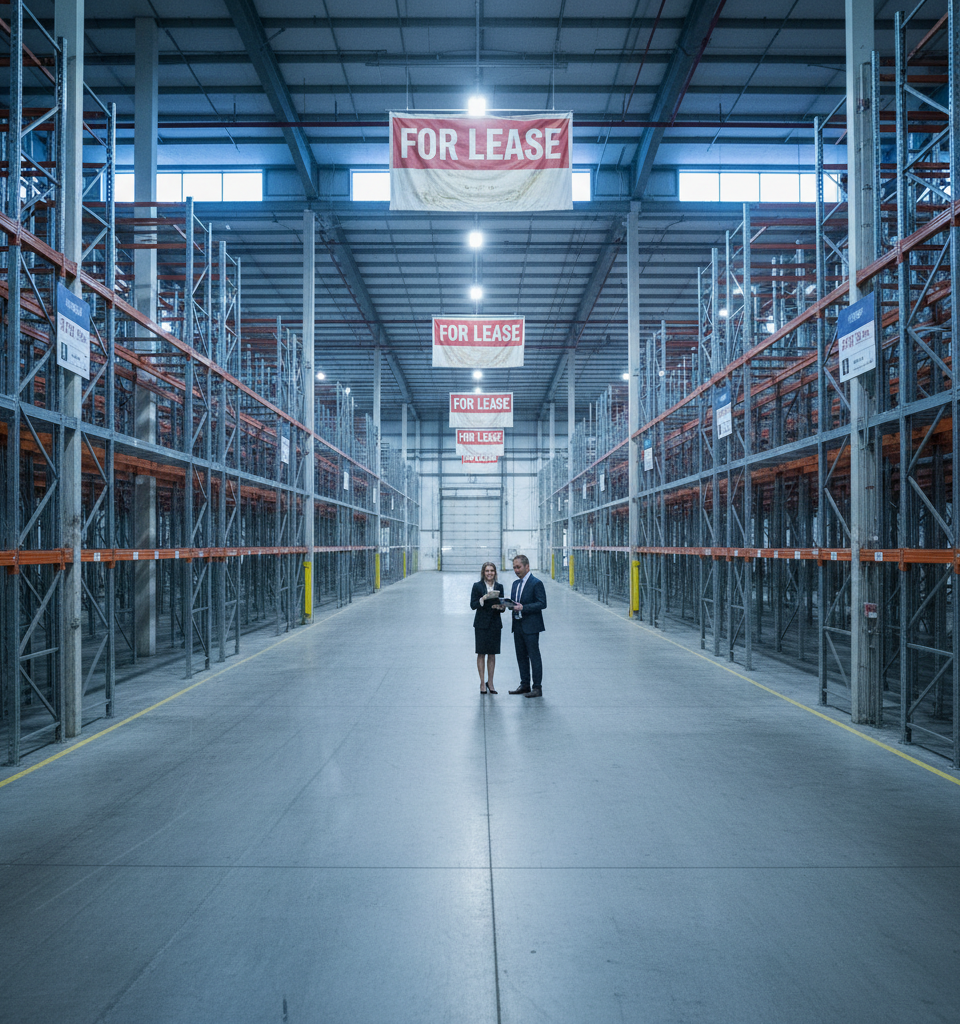
The cold storage market, a critical component of the global food supply chain, is currently confronting its most severe capacity imbalance in 20 years. New data indicates that vacancy rates across refrigerated warehousing facilities have soared to historic highs, driven primarily by a confluence of oversupply and a sustained decline in food inventory levels. This significant market correction suggests the industry is nearing a trough, with stakeholders closely monitoring for signs of stabilization and eventual recovery.
The current predicament stems from a period of aggressive expansion in cold storage infrastructure, largely fueled by pandemic-era disruptions and a perceived long-term surge in e-commerce for groceries and perishable goods. Investments poured into new construction and facility upgrades, creating a substantial increase in available space. However, this capacity came online just as consumer purchasing patterns normalized and retailers began to optimize their inventory management, moving away from the 'just-in-case' stockpiling that characterized the early pandemic years. The resulting mismatch between supply and demand has created a challenging operational environment for operators and investors alike.
Key industry metrics underscore the severity of the situation. According to recent reports, average national vacancy rates for cold storage facilities have surpassed 10% in multiple regions, a level not observed since the early 2000s. In some highly concentrated markets, vacancy figures are even higher, approaching 15%. This elevated vacancy directly translates to reduced rental income for facility owners and increased operational costs per square foot for tenants. Furthermore, the decline in food inventory, impacted by easing supply chain pressures and improved forecasting technologies, means less product requires refrigerated storage, further exacerbating the capacity surplus.
Broad Market Implications and Operational Headwinds
The ripple effects of this cold storage downturn are significant, extending beyond warehouse operators to impact food distributors, retailers, and even producers. For distributors and retailers, the availability of abundant, albeit underutilized, cold storage space offers negotiating leverage on leasing terms, but it also signals a softer demand environment for their products. Smaller operators, particularly those with less diversified portfolios or older, less efficient facilities, are facing intense pressure to fill space or risk significant financial strain. The competitive landscape has intensified, with facility owners now offering more attractive incentives and flexible lease agreements to retain or attract tenants.
Financial markets are also taking note. Investment in new cold storage development has slowed considerably as developers pause projects to assess market conditions. Equity firms and lenders, previously eager to fund new builds, are now exercising greater caution, seeking clearer signals of market stabilization before committing further capital. This shift reflects a broader recalibration of expectations within the logistics real estate sector, where specialized segments like cold storage were once seen as immune to traditional market fluctuations.
Expert Outlook: A Path to Normalization
Industry analysts believe the current situation, while challenging, is a necessary corrective phase. "We're seeing a classic supply-demand rebalance," explains Dr. Sarah Chen, a leading supply chain economist. "The cold storage market overshot during the pandemic, and now it's contracting to meet realistic long-term demand. The good news is that essential demand for refrigerated goods remains robust, driven by population growth and consumer preferences for fresh and frozen products. This isn't a fundamental collapse of demand, but rather a capacity correction." She forecasts that the market could begin to stabilize within the next 12-18 months as new supply pipeline diminishes and existing vacancies are gradually absorbed.
Future Trajectory: Modernization and Strategic Realignment
Looking ahead, the cold storage sector is expected to undergo a period of strategic realignment and technological modernization. Operators will increasingly focus on optimizing existing space through automation, energy efficiency upgrades, and advanced inventory management systems to reduce operational costs and enhance competitiveness. The emphasis will shift from simply adding square footage to maximizing the utility and efficiency of each available cubic foot. Furthermore, there may be an increase in mergers and acquisitions as stronger players consolidate smaller or financially distressed operations.
Sustainable practices and ESG (Environmental, Social, and Governance) targets are also poised to play a larger role, with demand for green-certified facilities potentially creating a differentiator in an oversupplied market. While the immediate outlook presents challenges, the long-term fundamentals for cold storage remain positive, underpinned by an ever-growing global demand for perishable goods. The current trough, while painful, is likely setting the stage for a more mature and resilient market in the years to come.