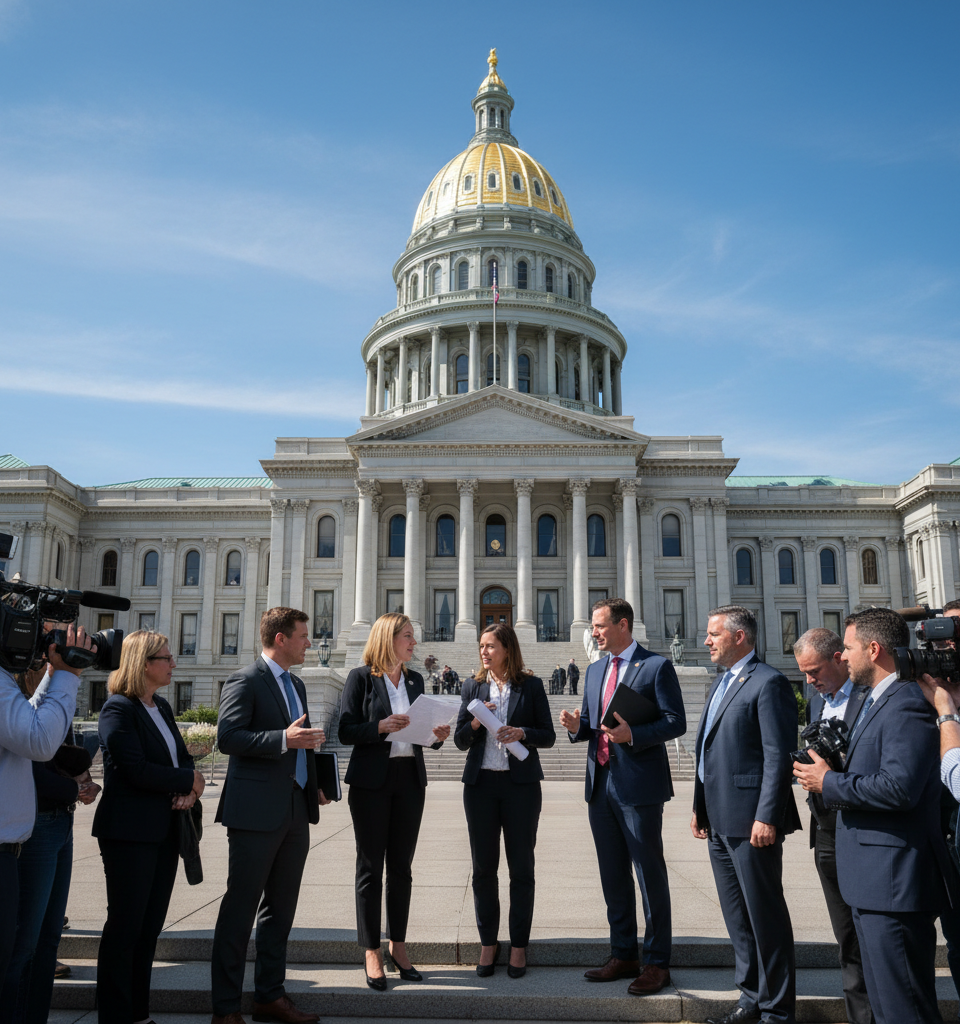
Denver, CO – In a significant legislative development, Colorado lawmakers are actively responding to the slower-than-anticipated progress in achieving affordable housing goals mandated by Proposition 123. The Senate passed House Bill 1313 on Thursday with critical amendments, setting the stage for its return to the House for final consideration. This legislative effort aims to inject a much-needed dose of realism into the ambitious housing mandates, acknowledging the difficulties many cities have faced in ramping up construction to meet the voter-approved initiative's objectives.
The Genesis of Prop 123 and Implementation Hurdles
Proposition 123, passed by Colorado voters nearly four years ago, represented a landmark commitment to addressing the state's escalating affordable housing crisis. It authorized the state to retain $300 million annually from the surplus state budget — a portion typically refunded to taxpayers under the Taxpayer's Bill of Rights (TABOR) — to establish a dedicated fund for affordable housing initiatives. Critically, for local governments to access these funds, they were required to commit to increasing their affordable housing stock by 3% annually. While the intent was clear, many participating municipalities found the 3% annual growth target exceptionally challenging to meet, often citing bureaucratic delays, land acquisition costs, and NIMBYism (Not In My Backyard) as significant impediments.
Key Details of House Bill 1313 and Proposed Amendments
House Bill 1313 directly confronts these implementation difficulties. The most impactful amendment from the Senate establishes a more flexible achievement timeline for the 3% target. Instead of an annual requirement, municipalities would now need to demonstrate an average 3% increase over a three-year rolling period.
This modification offers a crucial buffer, recognizing that housing development cycles rarely align perfectly with strict annual milestones. Additionally, the bill includes provisions aimed at streamlining regulatory processes for affordable housing projects, such as reducing certain permitting fees and offering technical assistance to local governments struggling to attract development. State Senator Chris Hansen, a key proponent, commented, "We heard loudly and clearly from our municipal partners that the annual 3% was a heavy lift.
Broader Industry and Economic Impact
The recalibration of Prop 123's targets is expected to have a mixed but largely positive impact on Colorado's real estate and construction sectors. While some developers might have preferred a complete overhaul of the percentage targets, the extended timeframe is likely to encourage more participation from smaller municipalities that previously felt daunted by the strict annual demands. Easier access to Prop 123 funds, now coupled with more achievable targets, could stimulate a broader pipeline of affordable housing projects across the state, potentially alleviating pressure on rental markets and making homeownership more accessible for low- and middle-income families. However, critics caution that even with the amendments, land availability and prevailing construction costs remain significant hurdles.
Expert Analysis on the Legislative Shift
Housing policy experts view this legislative adjustment as a pragmatic retreat from an overly ambitious target, rather than an abandonment of Prop 123's core mission. Dr. Eleanor Vance, an urban planning professor at the University of Colorado Denver, stated, "This modification acknowledges the complex realities of urban development. Simply setting a target isn't enough; you need to create the conditions for success. The three-year rolling average provides that essential elasticity without compromising the long-term objective of increasing affordable housing stock." She also highlighted the importance of continued state support for infrastructure and zoning reform, which are often overlooked but critical components of housing affordability.
The Path Ahead for Affordable Housing in Colorado
With House Bill 1313 returning to the House, legislative watchers anticipate its swift passage, given the bipartisan support for addressing the housing crisis. Its enactment will usher in a new phase for Prop 123, one characterized by greater adaptability and a stronger partnership between state funding mechanisms and local implementation. Looking forward, the focus will undoubtedly shift to how effectively municipalities utilize the newfound flexibility and funds. The success of this revised approach will serve as a crucial test case for other states grappling with similar affordable housing challenges, demonstrating whether policy adjustments can truly translate into tangible housing units and improved affordability for residents. Regular reporting on municipal progress against the new three-year average will be crucial for accountability and future policy decisions.