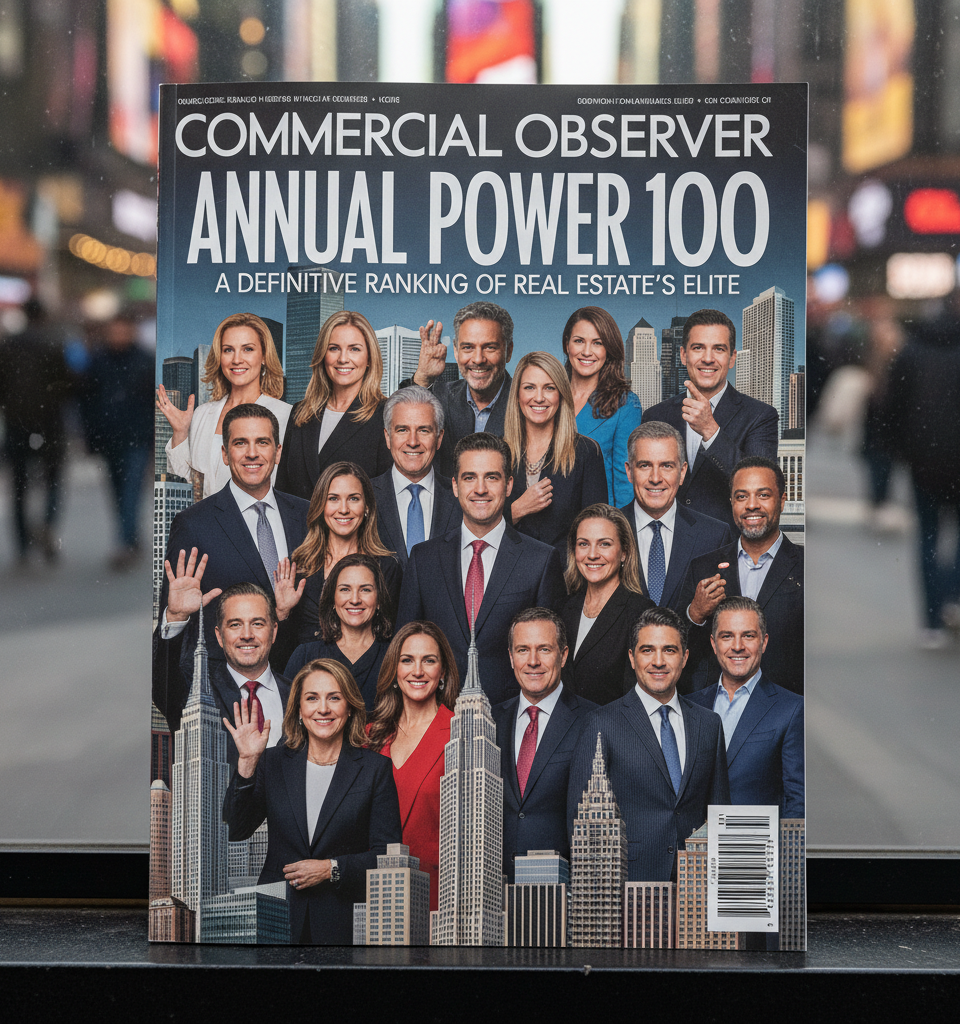
Commercial Observer recently published its annual Power 100, an exhaustive compilation identifying the most impactful leaders in the commercial real estate sector. This pivotal report, considered one of the publication's most significant yearly undertakings, synthesized extensive data, market trends, transactional volumes, and prominent industry narratives from the past year to curate a definitive list of the 100 individuals wielding the greatest influence across the entire commercial real estate landscape.
The Significance of the Power 100
The Power 100 serves as more than just a list; it is a critical barometer of power and direction within the often opaque world of commercial real estate. Every year, its publication provides a snapshot of the industry's evolving hierarchy, highlighting those who are not only closing the biggest deals but also setting the trends, driving innovation, and shaping urban development. The rigorous methodology employed by Commercial Observer ensures that the rankings reflect actual market impact and leadership, moving beyond sheer wealth to encompass strategic vision and transformative influence. Historically, inclusion on this list often correlates with significant shifts in capital markets, new development paradigms, and regulatory landscapes.
Methodology and Key Insights
The construction of the Power 100 involves an intensive research process stretching over several months. Analysts meticulously review transaction data, including major acquisitions, dispositions, and financing deals, scrutinize development pipelines, and assess the impact of legislative and regulatory changes. Furthermore, the editorial team conducts dozens of interviews with industry insiders, market analysts, and the listed personalities themselves to gauge peer perception and strategic foresight. While specific names are withheld for competitive reasons, the most recent list highlights a growing emphasis on asset classes such as logistics and life sciences, reflecting current market demand, alongside enduring strength in multifamily and industrial sectors. Emerging themes often include technological integration and sustainable development practices within real estate portfolios.
Broader Industry Impact
Publication of the Power 100 invariably ripples through the commercial real estate ecosystem. It influences investor sentiment, guides partnership formation, and often signals upcoming strategic moves by major players. Real estate firms frequently reference the list in their marketing and investor relations, leveraging the prestige associated with their leaders' inclusion. Furthermore, the report often spurs internal discussions within organizations, prompting strategic reviews and fostering a competitive drive to achieve greater market influence. Its findings often foreshadow broader economic shifts, given commercial real estate's foundational role in the global economy.
Expert Analysis
Industry experts view the Power 100 as an essential analytical tool. "It’s fascinating to see how the dynamics evolve year-on-year, reflecting broader economic narratives and technological advancements," commented Dr. Eleanor Vance, a prominent real estate economist. "This year's list underscores a strong focus on adaptability and resilience, particularly in navigating volatile capital markets and shifting tenant demands. The emphasis on innovative financing structures and sustainable development is particularly pronounced." Analysts also point to the increasing diversity represented on the list, both in terms of asset class specialization and demographic representation, indicating a maturing industry landscape.
Looking Ahead
The implications of the latest Power 100 extend well into the coming year. The individuals and firms highlighted are expected to lead future significant deals, drive new development initiatives, and advocate for policy shifts impacting the industry. Observers anticipate continued growth in sectors that saw strong representation on the list, with potential consolidation among smaller players looking to leverage economies of scale. The focus on technology and ESG principles is also expected to intensify, shaping investment criteria and development standards. Future editions of the Power 100 will undoubtedly reflect these ongoing transformations, continuing to provide a crucial benchmark for success and influence in commercial real estate.