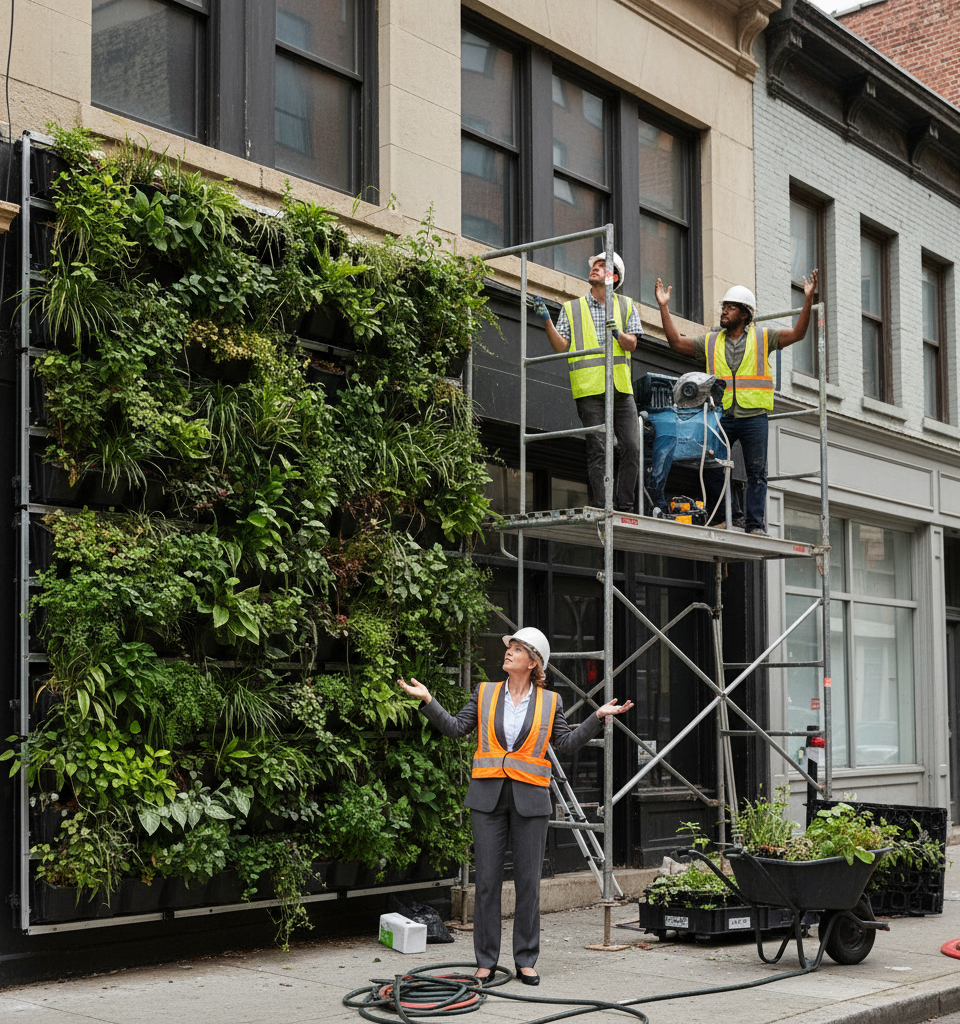
Commercial real estate owners are increasingly encountering significant barriers in their efforts to advance the environmental sustainability of their properties. While local regulations, evolving tenant preferences, and stringent lender mandates have successfully driven an initial wave of green building initiatives, industry observers indicate that the sector is now approaching a 'green wall,' signaling a slowdown in the pace of further environmental improvements.
The Drive Towards Sustainability
For years, the commercial property sector has been under pressure to reduce its environmental footprint. Early efforts focused on readily achievable improvements such as upgrading lighting systems, optimizing HVAC performance, and improving insulation. These measures were often incentivized by energy cost savings, regulatory compliance, and a growing market demand for environmentally responsible workspaces.
The push from local governments through stricter building codes and performance standards, combined with lenders increasingly incorporating ESG (Environmental, Social, and Governance) criteria into their financing decisions, created a strong impetus for change. Tenants, particularly large corporations, have also played a crucial role, often prioritizing buildings with strong sustainability credentials to meet their own corporate responsibility goals and attract environmentally conscious employees.
Reaching the Limit
However, sources close to the industry suggest that many of the low-hanging fruit in greening commercial properties have already been picked. Property owners have largely implemented the most straightforward and cost-effective upgrades. The next phase of sustainability improvements often involves more complex, capital-intensive, and disruptive interventions, such as deep energy retrofits, investment in on-site renewable energy generation, or comprehensive water recycling systems. These projects typically entail higher upfront costs, longer payback periods, and significant operational challenges, making them less attractive to owners facing economic headwinds or short-term investment horizons.
Market Dynamics and Investor Decisions
This emerging limitation has significant implications for market dynamics. While properties with robust green features continue to command a premium and attract preferred tenants, the ability for existing buildings to achieve further substantial environmental gains is decelerating. This could lead to a widening bifurcation in the market, with newer, purpose-built green structures setting higher standards that older, existing stock struggles to match. Investors and landlords are now grappling with the diminishing returns on incremental sustainability investments, posing a dilemma for portfolio strategies and asset valuation.
The Role of Innovation and Policy
The current slowdown highlights the critical need for further innovation in building materials, construction techniques, and energy management systems that offer more cost-effective and less disruptive paths to deep decarbonization. It also underscores the importance of public policy. Future regulatory frameworks may need to offer more substantial incentives, grants, or long-term financing options to encourage owners to undertake the more challenging and expensive green upgrades. Without such support, the ambition of achieving net-zero emissions across the commercial property sector could face considerable obstacles.
Addressing the Stagnation
Looking ahead, the industry must confront this stagnation directly. Strategies could include fostering greater collaboration between technology providers, financiers, and property management firms to develop integrated solutions. Furthermore, a renewed focus on data analytics and smart building technologies could reveal new avenues for operational efficiencies that do not require extensive physical overhauls. The challenge now lies not just in implementing existing green technologies, but in developing and adopting the next generation of solutions that can push past the current 'green wall' and unlock deeper, more transformative environmental performance improvements across the commercial real estate landscape.