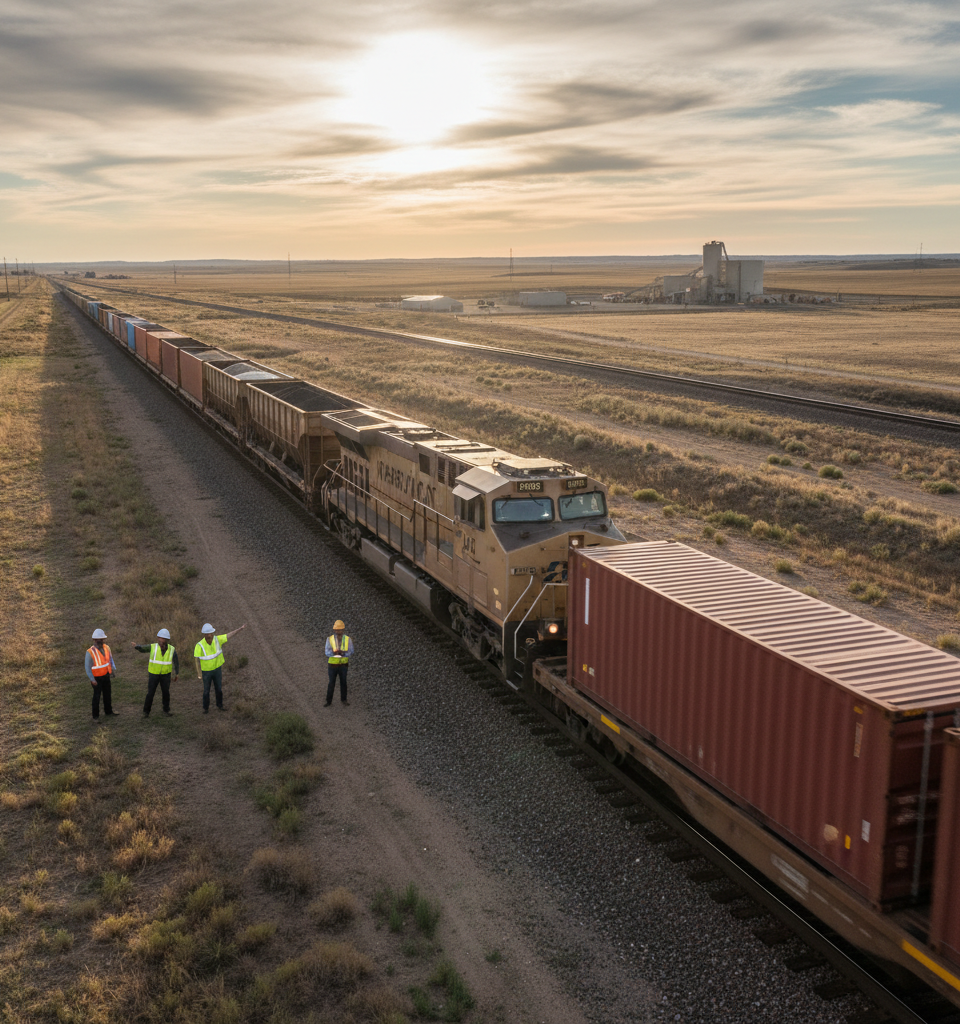
New data from the rail freight industry indicates a significant divergence in performance between commodity shipments and intermodal traffic. While commodity rail freight is demonstrating strong growth, comfortably exceeding year-ago levels, the intermodal sector appears to be struggling, showing limited improvement. This trend suggests varying demand dynamics within the broader freight ecosystem, with material goods experiencing a more favorable market than containerized shipments.
Shifting Dynamics in Rail Freight
This discrepancy in performance between commodity and intermodal traffic holds considerable implications for the rail industry, investors, and the broader economy. Rail freight is often considered a bellwether for economic activity, reflecting the movement of goods essential for manufacturing, agriculture, and construction. The robust growth in commodity freight typically signals healthy industrial production and strong demand for raw materials and bulk goods, which are core components of economic output. Conversely, the sluggishness in intermodal traffic, which primarily handles finished goods and consumer products moved in containers, could point to headwinds in the retail sector or global supply chain inefficiencies.
The current data underscores a distinct period where the traditional balance between these two critical segments of rail operations is disrupted. Commodity traffic encompasses a wide array of goods, from agricultural products like grain to industrial materials such as coal, chemicals, and lumber. The sustained strength in these areas suggests resilient demand across various foundational economic sectors. This can be attributed to factors such as ongoing infrastructure projects, a consistent need for agricultural exports, and potentially a rebound in certain manufacturing segments that rely heavily on bulk inputs.
Intermodal's Lingering Challenges
In contrast, the intermodal slowdown continues to be a concern for industry observers. Intermodal rail, which combines multiple modes of transportation, primarily trucks and trains, is crucial for efficient long-haul movement of packaged goods. Its subdued performance could signal a number of underlying issues, including fluctuating consumer demand, inventory adjustments, or competitive pressures from other freight modes, particularly trucking. While the exact causes are manifold and complex, the data points to a sustained period of weakness that warrants closer inspection from rail operators and logistics planners.
The underperformance of intermodal traffic could also be a lagging indicator of broader economic sentiments related to consumer spending and international trade. If consumer demand for imported or domestically produced goods packaged for container transport is softening, it would directly impact intermodal volumes. Furthermore, ongoing global supply chain disruptions, port congestion, or imbalances in container availability could also contribute to the sector's struggles, making it harder for intermodal to regain its previous momentum.
Broader Economic Indicators
For major Class I railroads, this divergence likely translates into varied financial outcomes depending on their exposure to each segment. Carriers with a stronger commodity base may be better positioned to weather current economic conditions, while those heavily reliant on intermodal traffic might face revenue pressures. The long-term implications of this trend could influence investment strategies within the rail sector, potentially shifting focus towards enhancing commodity handling capabilities or innovating to revitalize intermodal competitiveness.
Looking ahead, stakeholders will be closely monitoring how these trends evolve. A sustained period of strong commodity growth coupled with intermodal weakness could lead to strategic realignments within the freight industry. It remains to be seen whether intermodal can stage a recovery in the latter half of the year, or if commodity shipments will continue to be the primary engine of growth for the North American rail network. The interplay between these segments will be a critical indicator of the overall health and direction of the economy.