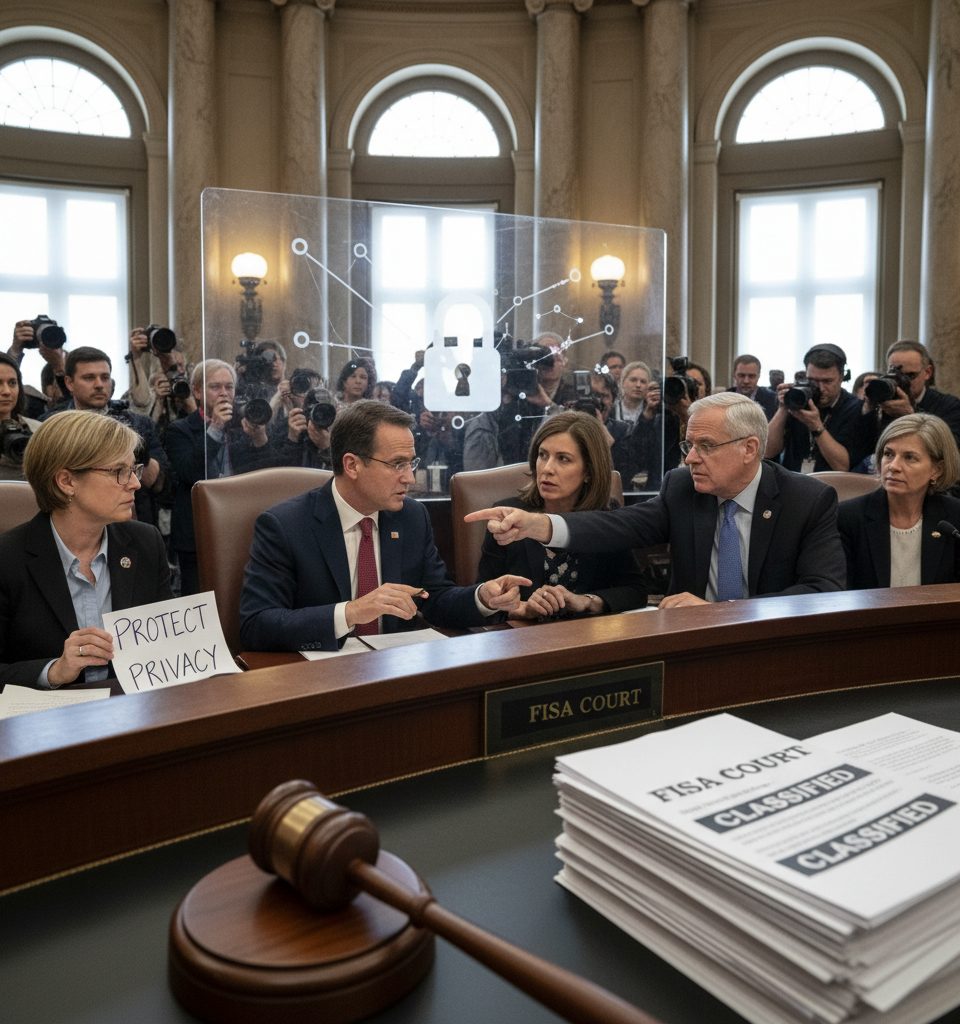
C. – A high-stakes legislative battle is unfolding in the nation's capital over the reauthorization of Section 702 of the Foreign Intelligence Surveillance Act (FISA), a controversial surveillance authority set to expire on April 19, 2024. This program, primarily designed to target foreign adversaries operating overseas, has come under intense scrutiny for its "incidental" collection of American citizens' communications, which the FBI can then query without obtaining a traditional warrant.
Lawmakers are currently debating a new proposed bill, the FISA Reform and Reauthorization Act, intended to address widespread concerns about civil liberties, though critics argue it falls short of meaningful oversight. Section 702's origins trace back to the post-9/11 era, established as a critical tool to rapidly gather foreign intelligence on terrorists and state-sponsored cyber threats operating internationally. However, its implementation has consistently raised alarm bells among privacy advocates and a growing number of bipartisan legislators.
S. persons, often without judicial review. This process, known as a "backdoor search," has been a flashpoint for debate, with critics arguing it circumvents Fourth Amendment protections against unreasonable searches and seizures. Recent revelations from the Foreign Intelligence Surveillance Court (FISC) and oversight reports from the Privacy and Civil Liberties Oversight Board (PCLOB) have fueled congressional skepticism.
S. S. Congressman. While intelligence agencies assert these incidents represent compliance failures rather than systemic abuses, they have significantly eroded trust and strengthened calls for stringent reforms. S. S. persons' data already collected. The intelligence community steadfastly maintains that Section 702 is indispensable for national security, arguing it has been instrumental in disrupting terrorist plots, thwarting cyberattacks, and countering espionage from rival nations like China and Russia.
S. intelligence capabilities. Conversely, civil liberties organizations, tech companies, and a coalition of progressive and conservative lawmakers view the program as an overreach that disproportionately impacts marginalized communities and erodes fundamental privacy rights. Major tech firms, for example, have been compelled to comply with directives under Section 702, often creating tension between their user privacy policies and governmental demands.
Experts are divided on the efficacy of the proposed reforms. Sharon Bradford Franklin, director of surveillance and cybersecurity policy at New America, suggests that while the bill makes some procedural improvements, its failure to address the core issue of warrantless backdoor searches renders it inadequate. "S. person data, this bill largely preserves the problematic status quo," Franklin stated in a recent interview.
On the other hand, former intelligence officials argue that imposing a warrant requirement would create unworkable delays and cripple the agility needed to respond to rapidly evolving threats, citing the dynamic nature of modern cyber warfare and terrorism. As the April 19th deadline looms, the future of Section 702 remains precarious. Congressional leaders are under immense pressure to find a compromise that balances national security imperatives with civil liberties protections.
The current bill faces significant opposition from both sides of the aisle, with some demanding more robust reforms, including an outright warrant requirement, and others pushing for a clean reauthorization. S. intelligence gathering and forcing a scramble for alternative legal frameworks. S. government balances surveillance powers with constitutional rights in the digital age.
Further discussions are expected to involve potential amendments to the proposed bill, focusing on strengthening independent oversight mechanisms and increasing transparency regarding FBI queries. The intelligence community is likely to intensify its lobbying efforts, emphasizing the critical intelligence gaps that would emerge from an expiration or overly restrictive reauthorization. Conversely, privacy advocates will continue to highlight public opinion trends, which increasingly lean towards stronger protections against government surveillance.
The debate is a microcosm of the larger struggle to adapt 20th-century legal frameworks to 21st-century technological realities, with profound implications for both national security and individual freedoms.