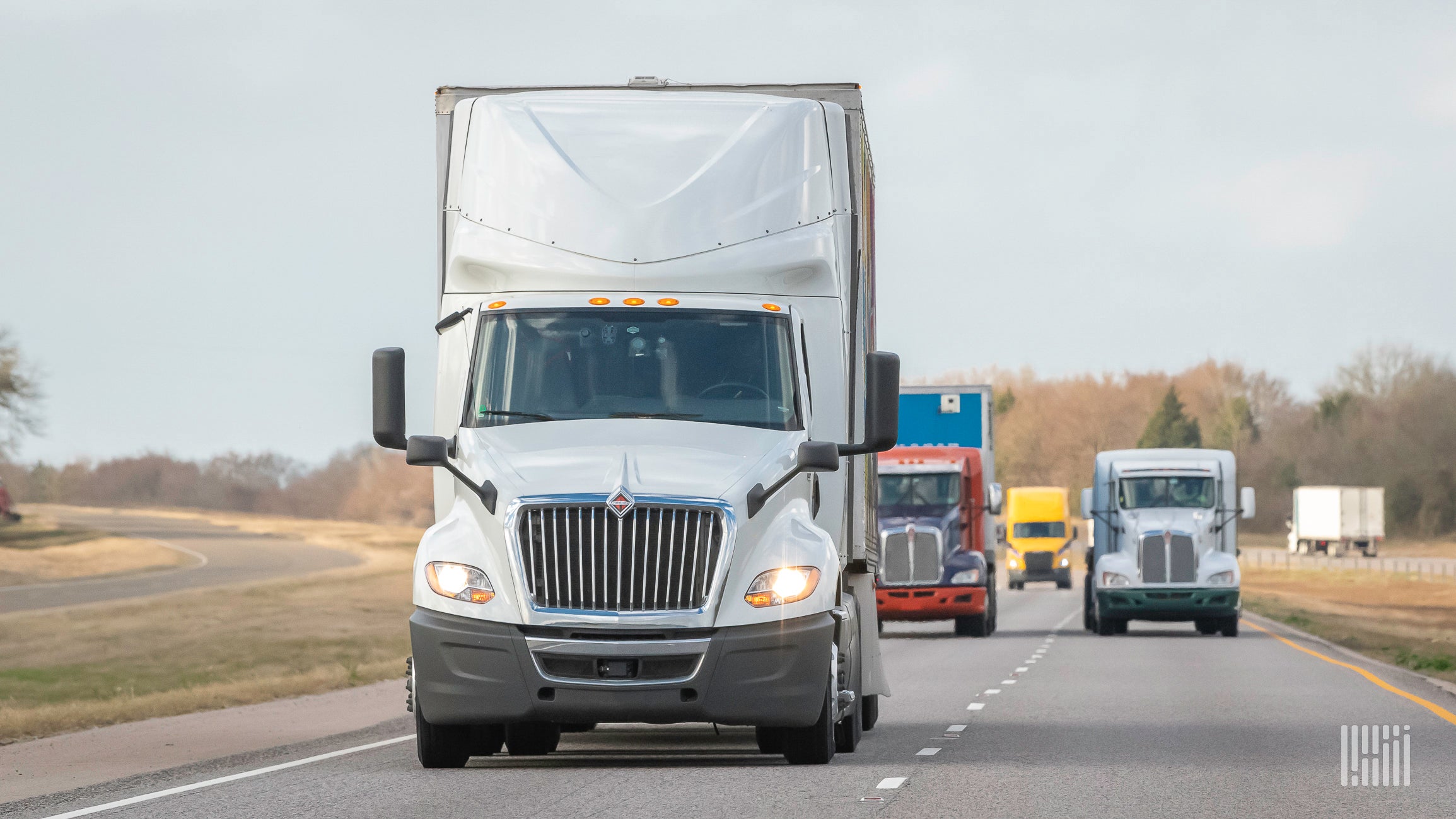
WASHINGTON D.C. – Representative Mike Collins (R-Ga.) has introduced the "Diesel Truck Liberation Act," a legislative initiative designed to roll back current federal emissions standards for heavy-duty diesel trucks. The proposed bill aims to significantly reduce equipment costs for the trucking industry, a move celebrated by some as an economic relief measure but viewed with trepidation by environmental advocates. This legislative push comes as the nation grapples with inflationary pressures and supply chain challenges, placing the debate over environmental regulation versus industrial cost squarely in the spotlight.
This proposed legislation arrives amidst a backdrop of escalating operational expenses for American truckers. Over the past decade, federal and state regulations have progressively tightened emissions standards, compelling manufacturers to invest heavily in advanced technologies to reduce pollutants like nitrogen oxides (NOx) and particulate matter. While these measures have undeniably contributed to improved air quality, the associated costs, often passed down to purchasers, have become a significant burden for trucking companies, particularly owner-operators and small fleets. The industry has long argued that the stringent requirements, while well-intentioned, often result in higher acquisition prices and increased maintenance for newer vehicles.
The Diesel Truck Liberation Act specifically targets several key federal regulations, including those finalized by the Environmental Protection Agency (EPA) in 2022, which set more aggressive NOx emission standards for heavy-duty engines starting with the 2027 model year. Rep. Collins, a former owner of a trucking company, emphasizes that these mandates have driven up the price of new diesel trucks by tens of thousands of dollars, making fleet modernization economically unfeasible for many. "Our truckers are the backbone of this economy, and we are stifling them with regulations that add astronomical costs without providing commensurate benefits," Collins stated in a press release. The bill proposes a recalibration of these standards, potentially extending compliance timelines or revising emission reduction targets to foster a more cost-effective transition for the industry.
Industry and Market Impact
The implications of this bill for the broader freight and logistics sector could be substantial. On one hand, a reduction in equipment costs could provide much-needed financial relief for carriers, potentially leading to lower freight rates and contributing to a more stable supply chain. The average cost of a new Class 8 truck has reportedly increased by approximately 20-30% over the last five years, partly due to emissions compliance technology. Easing these requirements could also extend the lifespan of existing fleets, further reducing capital expenditures for trucking companies. However, this could also slow down the adoption of newer, cleaner technologies, potentially impacting manufacturers who have already invested heavily in developing compliant engines and vehicles.
Expert Perspectives
Industry analysts offer mixed perspectives on the bill's potential effects. "While the intent to lower costs for truckers is understandable, rolling back emissions standards could face significant pushback from public health and environmental groups," notes Dr. Sarah Jenkins, an environmental policy expert at the University of California, Berkeley. "The long-term health benefits of cleaner air, particularly in urban areas, are well-documented, and reversing course could have real consequences." Conversely, transport economist Mark Thompson from the American Enterprise Institute suggests, "Innovation is often market-driven. While regulations can spur technology, excessively prescriptive rules can also stifle pragmatic, affordable solutions. This bill could allow the industry more flexibility to adopt technologies that balance environmental responsibility with economic viability." He points out that the trucking industry operates on razor-thin margins, and mandated cost increases disproportionately impact smaller businesses.
What's Next: Congressional Battle and Future Implications
The Diesel Truck Liberation Act is set to face a challenging legislative path. It must navigate various committees in the House of Representatives, facing potential amendments and significant opposition from environmental advocacy groups and potentially some bipartisan coalitions concerned about climate change and public health. Should it pass the House, its reception in the Senate, especially with its current political composition, remains uncertain. The bill's progression will serve as a bellwether for the ongoing national debate concerning the balance between economic recovery, energy independence, and environmental stewardship. Its ultimate fate will significantly influence purchasing decisions for trucking fleets, future investment in engine technology, and the trajectory of overall air quality goals in the United States for decades to come.
Manufacturers, environmental groups, and the trucking industry are expected to engage in intense lobbying efforts as the bill moves through Congress. The outcome will not only determine the financial landscape for freight carriers but also set a precedent for how future environmental regulations are crafted and implemented across various industrial sectors.