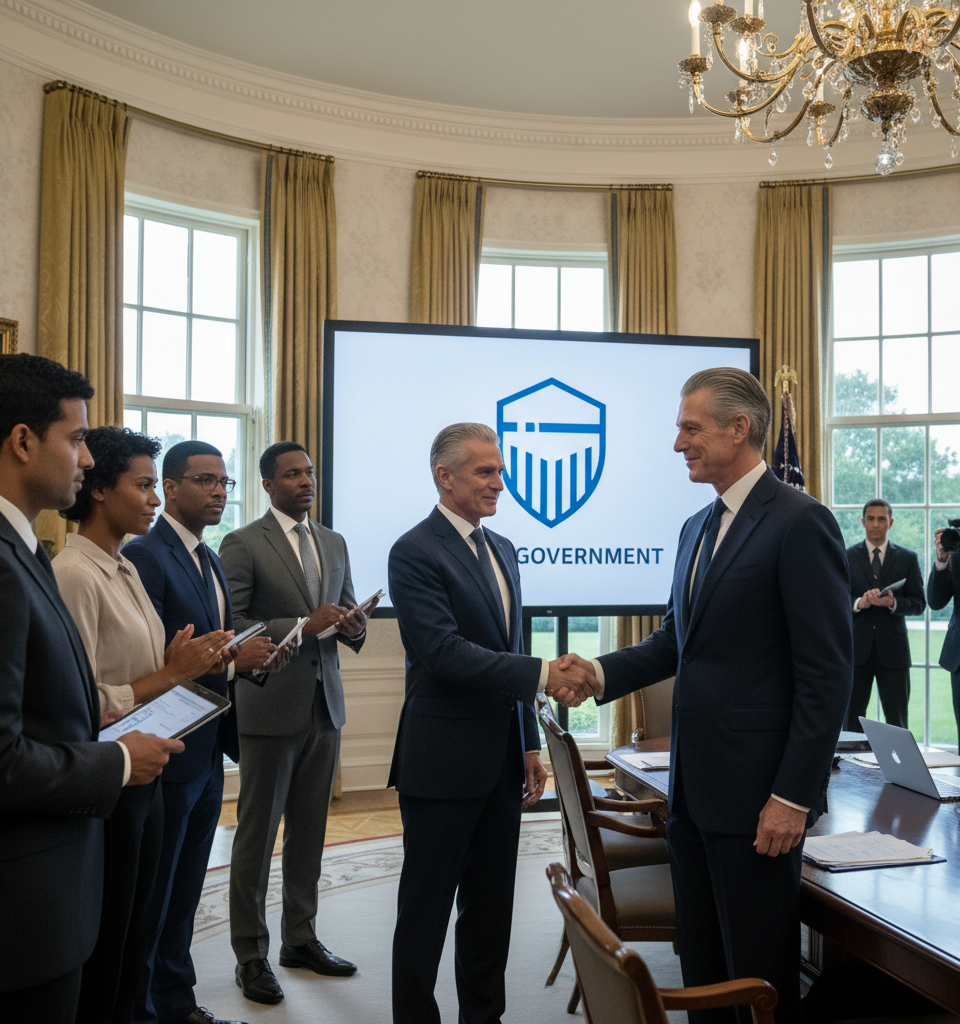
In a move that has sparked considerable debate across design and public relations circles, Peter Arnell, a veteran brand strategist known for both high-profile successes and significant commercial setbacks, has been tasked with an unprecedented challenge: to redefine and unify the brand identity of the United States government. This appointment, a substantial undertaking for any creative professional, comes with the added pressure of a remarkably tight deadline, as Arnell has reportedly been given just two months to outline his vision. The decision to tap Arnell, whose career spans over four decades including the creation of the iconic DKNY brand and a highly scrutinized redesign of the Pepsi logo, signals a daring departure from traditional government communication strategies, embracing a more consumer-centric approach to national messaging.
A History of Highs and Lows
Arnell's professional trajectory has been undeniably colorful. He is widely credited with establishing the sophisticated and modern brand identity for DKNY, transforming it into a global fashion powerhouse. His work for PepsiCo, however, remains a point of contention within the design community.
The 2008 redesign of the Pepsi logo was accompanied by an elaborate 27-page strategy document, famously referencing historical touchstones such as the Mona Lisa and the Parthenon in its justification. While Pepsi continues as a global brand, the more recent Tropicana packaging redesign in 2009, also under Arnell's purview, proved to be a critical misstep. The simplified packaging, intended to modernize the brand, was met with widespread consumer rejection, leading to a reported 20% drop in sales and an estimated loss of $50 million for PepsiCo before the company reverted to its classic design.
This stark contrast in outcomes underscores the inherent risks and profound impact of brand architecture, particularly when applied to entities with established public recognition.
The Mandate: Unifying a Nation's Image
Sources close to the administration suggest that Arnell’s mandate is to develop a cohesive and impactful brand narrative for the U.S. government, one that resonates both domestically and internationally. In an era of rampant misinformation and shifting geopolitical landscapes, the need for clear, consistent, and compelling communication from governmental bodies has never been more acute. The initiative aims to distill the multifaceted and often fragmented identity of the U.S. government into a recognizable and relatable brand, potentially encompassing everything from public health campaigns to international diplomacy. The two-month timeframe indicates an urgent desire to establish a foundational framework, rather than a fully executed campaign, suggesting a phased approach to this monumental branding effort.
Industry Repercussions and Challenges
This appointment sends ripples through the branding and communications industries, hinting at a potential paradigm shift in how governments globally might approach their public image. The scale and political sensitivity of branding a sovereign nation present unprecedented challenges compared to commercial product branding. Unlike a soda or fashion line, the 'product' here is a complex tapestry of policies, values, and institutions, with an incredibly diverse 'consumer' base both at home and abroad. Any proposed changes will face intense scrutiny from politicians, citizens, and international observers, making the project inherently delicate. The notion of branding a government also resurrects debates about the commercialization of public service and the role of design in national identity.
Expert Commentary on a High-Stakes Venture
Marketing and branding experts are divided on the implications of Arnell's new role. Dr. Alistair Finch, a professor of public policy communication at a prominent university, commented, “While commercially successful branding relies on emotional connection and clear differentiation, government branding must achieve something far more fundamental: trust and credibility.
Arnell’s past successes show an understanding of emotional appeal, but his failures highlight the dangers of misreading an audience. ” Other analysts have pointed out the unique constraints of government communication, which is often bound by specific legal requirements, ethical considerations, and the need to represent a broad, diverse populace without appearing partisan or promotional in a commercial sense. The inherent political nature of any government branding initiative means stakeholder management will be as crucial as design prowess.
The Path Forward: Initial Deliverables and Public Perception
With the clock ticking, Arnell’s team is expected to focus on initial deliverables that could include strategic frameworks, core messaging principles, and perhaps early visual concepts. The immediate goal is likely to establish a unifying theme or 'north star' for future communications. The process of implementation will be equally critical, requiring coordination across numerous government agencies and departments, each with its own established communication protocols and priorities.
The success or failure of this endeavor will undoubtedly reshape public perception of government branding, potentially inspiring other nations to follow suit or serving as a cautionary tale. The coming months will reveal whether a designer known for both brilliance and blunders can successfully translate his commercial branding expertise into the complex political landscape of national identity, and what immediate impact his recommendations will have on the public's interaction with their government.
Global Implications of a Unified U.S. Brand
S. government brand could have significant implications for international relations and global diplomacy. A consistent and clear message emanating from the United States could theoretically enhance its soft power, improve understanding of its foreign policy objectives, and streamline communication in a complex international arena.
Conversely, a poorly executed or misunderstood brand identity could inadvertently complicate diplomatic efforts and exacerbate existing tensions. The challenge lies in crafting a brand that feels authentic, inclusive, and representative of the nation's diverse values and interests, while also projecting an image of stability and leadership on the global stage. This high-stakes branding exercise is not merely about aesthetics; it's about shaping narratives that influence global perception and trust in one of the world's most powerful nations.