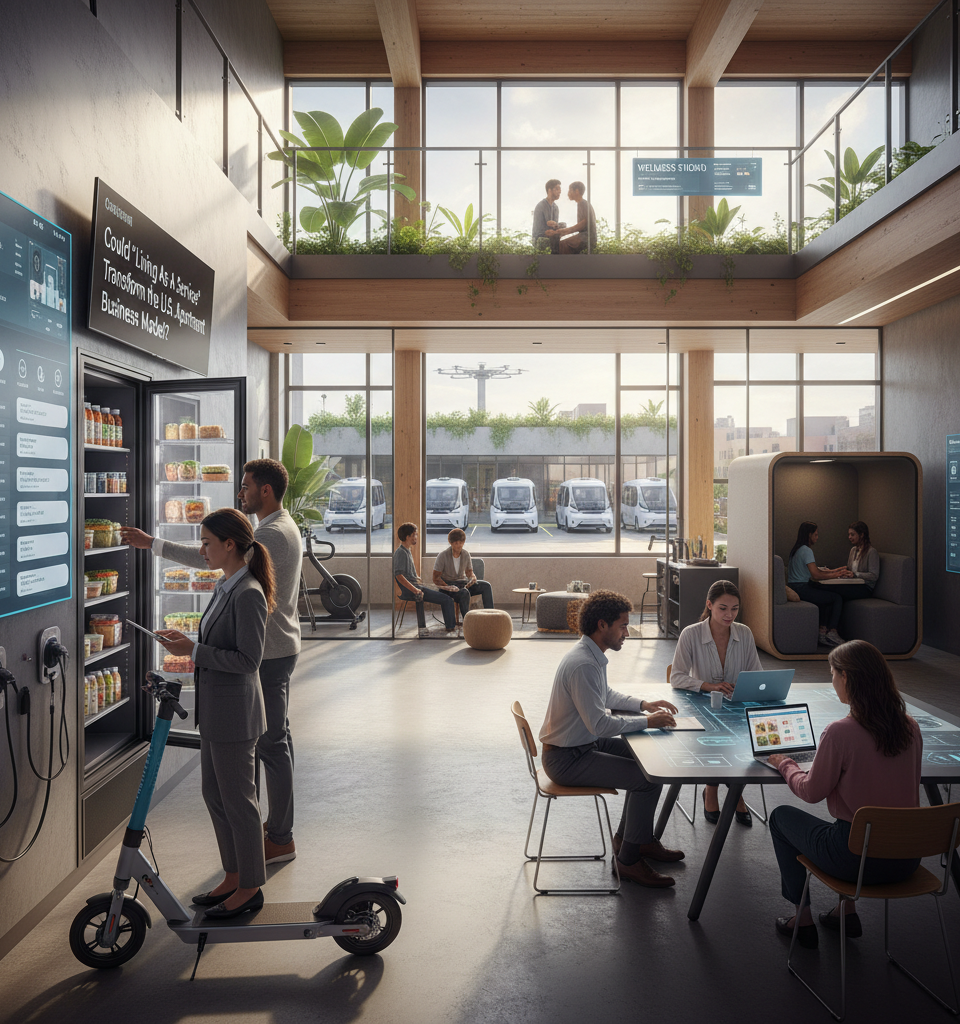
The U.S. multifamily industry could be on the cusp of a profound transformation, driven by an evolving renter demographic and a stagnant business model. While the age and income profiles of typical apartment tenants have seen dramatic changes in recent years, the industry's traditional operational framework largely persists. This brewing discrepancy is sparking discussions about the potential emergence of a "Living As A Service" (LaaS) paradigm, which would fundamentally alter how residents interact with their housing and how properties are managed.
Shifting Renter Demographics and Stagnant Models
Historically, the multifamily sector has operated on principles that, while effective for previous generations of renters, may no longer align with contemporary needs. The most significant driver for this potential shift is the fundamental change in who is renting apartments today. While specific data points on the exact age and income shifts were not detailed, the implication is a move towards a tenant base with different expectations, financial capabilities, and demands for flexibility and services. Despite these demographic tectonic plates moving, the core of the apartment business model – typically involving long-term leases and a focus on physical amenities – has resisted significant evolution.
The 'Living As A Service' Concept
Under a "Living As A Service" model, the emphasis would shift from merely providing a physical dwelling to curating an integrated lifestyle experience. This could involve bundled services, greater flexibility in lease terms, and a more personalized approach to tenancy. Such a model might appeal to a new generation of renters who prioritize convenience, community, and customizable options over traditional, rigidly structured housing agreements. The concept draws parallels to how software and other industries have moved from product-centric to service-centric offerings, suggesting a similar maturation could occur within the housing sector.
Potential Industry Impact
Implementing a LaaS framework could have far-reaching implications for the multifamily industry. For property owners and managers, it might necessitate a re-evaluation of revenue streams, operational expenses, and staffing models. For residents, it could mean access to an array of integrated services – from utilities and smart home technology to concierge services and community programming – all wrapped into a single, potentially more flexible, payment structure. This could enhance tenant satisfaction and retention, but also introduce new complexities in service delivery and technology integration.
Overcoming Traditional Hurdles
The transition to a LaaS model would not be without its challenges. The industry's reliance on established legal frameworks for leasing, property management software, and long-term financial planning presents significant hurdles. Overcoming these would require innovative solutions in contract law, property technology (proptech), and a cultural shift within the industry towards a more service-oriented mindset. Furthermore, the varying regulatory environments across different U.S. states and municipalities would likely add layers of complexity to any widespread adoption of this model.
The Evolving Definition of 'Home'
Ultimately, the discussion around "Living As A Service" reflects a broader societal trend where consumers increasingly value experiences and convenience. For the apartment industry, this could mean moving beyond the brick-and-mortar definition of a home to encompass a comprehensive ecosystem of services that cater to the evolving demands of modern life. As the demographics of the U.S. renter continue to shift, the industry's ability to adapt its fundamental business model will likely determine its success in meeting future housing needs.
What Lies Ahead
The coming years could see multifamily developers and operators experimenting with hybrid models that incorporate elements of LaaS, testing market demand for these new offerings. Early adopters who successfully integrate technology, personalized services, and flexible tenancy options may gain a significant competitive advantage. The conversation is not whether the renter demographic will continue to change, but how quickly and effectively the apartment business model can evolve to meet the needs of this new generation of tenants, potentially ushering in an era where living is truly a service.