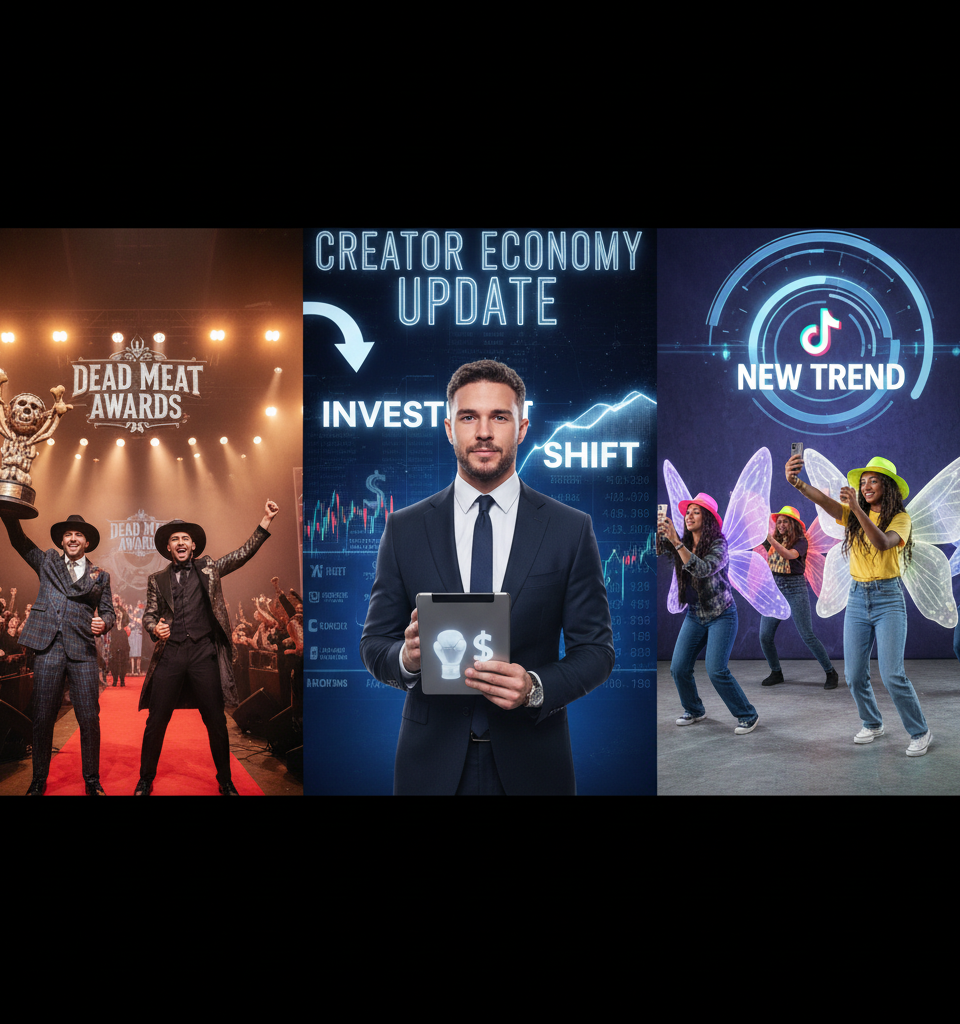
The creator economy is abuzz with a confluence of updates spanning content monetization, investment strategies, and emergent platform trends. Among the most anticipated developments is the Dead Meat Horror Awards' transition to an in-person, ticketed experience, marking a significant evolution for the popular creator-led event. Concurrently, high-profile figure Jake Paul is reportedly recalibrating his investment focus, while TikTok observes the rise of a content style drawing parallels to the once-ubiquitous YouTube Poop phenomenon.
Dead Meat Awards Embrace Live Event Model
The annual Dead Meat Horror Awards, a staple for fans of the horror genre within the creator space, is poised to make its debut as a live, ticketed event. Since its inception in 2022, the awards show has been a hallmark project of James A. Janisse and Chelsea Rebecca's highly successful Dead Meat channel. This move signifies a broader trend within the creator industry where digital-first entities are increasingly exploring real-world activations and monetization strategies. The shift to an in-person format not only offers a new revenue stream through ticket sales but also provides an opportunity for enhanced fan engagement and brand visibility beyond the digital realm. It underscores the growing maturity of creator-led ventures, enabling them to expand their reach and deepen their connection with their dedicated audience.
Jake Paul's Investment Strategy Under Review
Jake Paul, often referred to as the "Problem Child" within and beyond the creator circuit, is reportedly in the process of refreshing his investment portfolio. While specific details of his new investment targets or divestments remain undisclosed, this re-evaluation reflects a dynamic approach to wealth management common among high-earning public figures. Paul's past ventures and investments have often garnered significant media attention, and any substantial shift in his strategy could signal emerging trends or opportunities within the broader investment landscape, particularly areas favored by influential digital personalities. Such moves are often closely watched for insights into market sectors that attract capital from the new generation of entrepreneurs and celebrities.
TikTok's "Farlands" and the Echoes of YouTube Poop
Meanwhile, the ubiquitous short-form video platform TikTok is witnessing the ascendance of a new content trend, playfully dubbed the "TikTok farlands." This emerging style is drawing notable comparisons to YouTube Poop, a surreal and often nonsensical genre of video mash-ups that gained significant traction in the early days of YouTube. The "farlands" trend on TikTok is characterized by its reliance on heavily edited, often decontextualized clips, rapid cuts, and absurd humor, resonating with a demographic eager for avant-garde and unconventional digital content. This development highlights the cyclical nature of internet culture, where formats and humorous styles from previous platforms find new life and interpretations on contemporary ones. It also underscores TikTok's continuing role as a hotbed for organic, user-generated trends that can quickly capture widespread attention.
Broader Creator Economy Implications
These seemingly disparate developments collectively paint a picture of a creator economy that is continuously evolving and diversifying. The move by Dead Meat to an IRL event speaks to the increasing professionalization and commercial viability of creator-led content, moving beyond pure digital viewership to tangible experiences. Jake Paul's investment re-raise, while specific to his personal finances, is indicative of the substantial capital being generated within the creator space and the sophisticated financial decisions being made by its top earners. The rise of "TikTok farlands," on the other hand, illustrates the persistent innovation in content creation itself, showcasing how creators continually adapt and reinterpret past internet phenomena for new audiences and platforms.
The Evolving Landscape of Creator Monetization and Engagement
The convergence of these trends suggests a future where creator businesses are not solely reliant on platform ad revenue but are instead building multi-faceted enterprises encompassing live events, diverse investment portfolios, and innovative content formats. The ability to translate online influence into offline experiences, secure and manage significant financial capital, and consistently churn out engaging, trend-setting content are all becoming critical pillars for sustained success in the creator industry. As creators mature, so too do their business models, demanding more strategic thinking and entrepreneurial foresight.
Looking ahead, observers will be keen to see the reception of the Dead Meat Horror Awards' live format, which could serve as a blueprint for other creator-led events. The specifics of Jake Paul's refreshed investment strategy will also provide further clues into the investment appetites of key figures in the digital landscape. Furthermore, the longevity and evolution of the "TikTok farlands" will offer insights into how new viral content trends emerge and are sustained on dominant platforms, shaping the future of digital entertainment and audience engagement. Each development reinforces the dynamic and rapidly maturing nature of the global creator economy, where adaptation and innovation remain paramount.