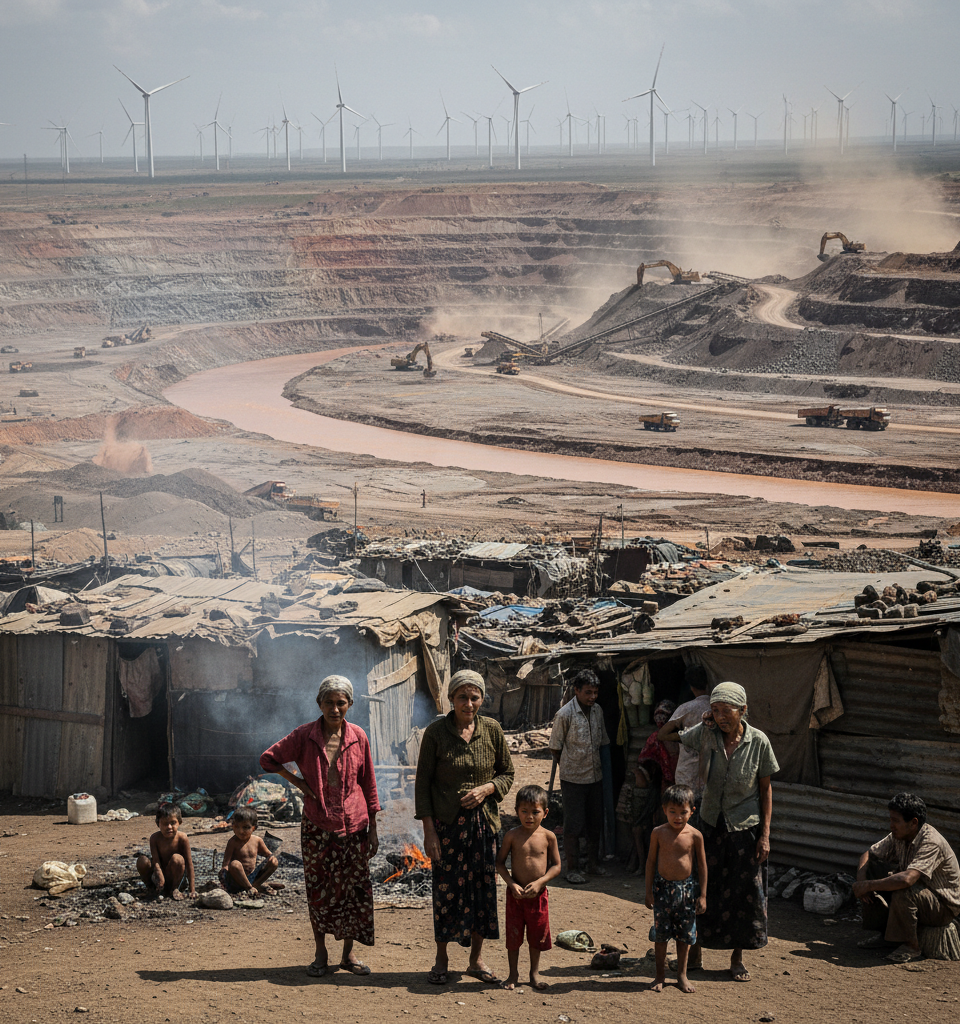
A troubling ethical dilemma is emerging at the core of the global shift towards renewable energy and advanced technology: the extraction of critical minerals – essential for everything from electric vehicles to AI – is devastating vital ecosystems and exacerbating poverty in mining regions. Communities, often indigenous or marginalized, are experiencing severe water pollution and deteriorating health outcomes, raising urgent questions about social equity and environmental justice in the pursuit of a greener planet.
The Unseen Costs of Progress
The surging demand for minerals like lithium, cobalt, copper, and rare earth elements underscores a stark reality: modern technologies, while promising a sustainable future, are intrinsically tethered to resource-intensive supply chains. Lithium, indispensable for battery power; cobalt, crucial for battery stabilization; copper, the backbone of electrical conductivity; and rare earth elements, vital for myriad electronic components, all originate from the Earth's crust. This extraction, however, is far from benign.
Reports indicate widespread environmental damage, including contamination of water sources and soil, loss of biodiversity, and significant air pollution in areas surrounding mining operations. This hidden cost falls disproportionately on vulnerable populations, many of whom lack the political or economic leverage to resist powerful mining interests or demand adequate compensation and environmental protections.
A Global Scramble for Resources
The impetus behind this accelerated extraction is global geopolitical and economic competition. Nations are scrambling to secure supply chains for these minerals, deemed critical for national security and economic competitiveness in the evolving high-tech landscape. The International Energy Agency (IEA) projects that mineral demand for clean energy technologies could quadruple by 2040 under aggressive climate scenarios. For instance, an electric car requires six times the mineral inputs of a conventional car, and an onshore wind plant requires nine times more mineral resources than a gas-fired plant. This escalating demand has driven mineral prices to historic highs in recent years, with cobalt prices, for example, surging by over 50% between 2020 and 2022, and lithium prices experiencing even more dramatic increases.
Devastation in Mining Communities
The human toll in these so-called 'sacrifice zones' is profound. In regions like the Democratic Republic of Congo (DRC), which supplies over 70% of the world's cobalt, artisanal mining – often involving child labor – is common, exposing workers to toxic heavy metals and creating precarious living conditions. In South America's 'Lithium Triangle' (Argentina, Bolivia, and Chile), the intensive use of water for lithium extraction has led to severe water scarcity for local communities and damaged fragile ecosystems. Local residents frequently report increased rates of respiratory illnesses, birth defects, and cancer, linked to exposure to hazardous chemicals and particulate matter from mining activities. Data from organizations such as the World Health Organization (WHO) repeatedly highlight the correlation between proximity to mining sites and elevated disease burdens in these communities.
Industry's Ethical Crossroads
The ethical implications for industries downstream – from automotive giants to consumer electronics manufacturers and AI developers – are immense. While many companies brandish their commitment to sustainability, the provenance of their critical minerals often remains opaque or ethically compromised. The market impact extends to investor scrutiny, with increasing pressure from ESG (Environmental, Social, and Governance) funds and activist shareholders demanding greater transparency and accountability in supply chains. Companies unable to demonstrate responsible sourcing risk reputational damage, consumer boycotts, and potential regulatory penalties, especially as governments worldwide begin to implement stricter due diligence requirements for critical mineral imports.
Expert Calls for Transparency and Regulation
Experts and human rights advocates are vociferously calling for a radical overhaul of the critical mineral supply chain. Dr. Alistair White, a resource economist at the University of Cambridge, recently stated, "Unless we embed robust human rights and environmental protections into every stage of mineral extraction, our green transition will simply shift the burden of pollution and poverty from one place to another." Organizations like Amnesty International advocate for mandatory due diligence laws that hold corporations accountable for human and environmental rights abuses throughout their value chains. There's also growing support for technological solutions like blockchain to enhance traceability and for greater investment in recycling critical minerals to reduce reliance on primary extraction.
Towards a Just Transition
The path forward necessitates a multi-faceted approach. International cooperation will be critical in establishing and enforcing global standards for responsible mining. Increased investment in research and development for alternative materials and enhanced recycling technologies can significantly reduce future demand for virgin minerals.
Furthermore, empowering local communities through robust land rights, benefit-sharing agreements, and rigorous environmental impact assessments can help mitigate the negative consequences of mining. The conversation is shifting towards not just how much mineral extraction is necessary, but how it is done, emphasizing that a truly sustainable future must be built on principles of justice, equity, and respect for both people and planet. The next decade will see intensified efforts from NGOs, governments, and industry to navigate this complex terrain, with emerging legislation in Europe and North America expected to drive significant changes in corporate behavior regarding sustainable sourcing.