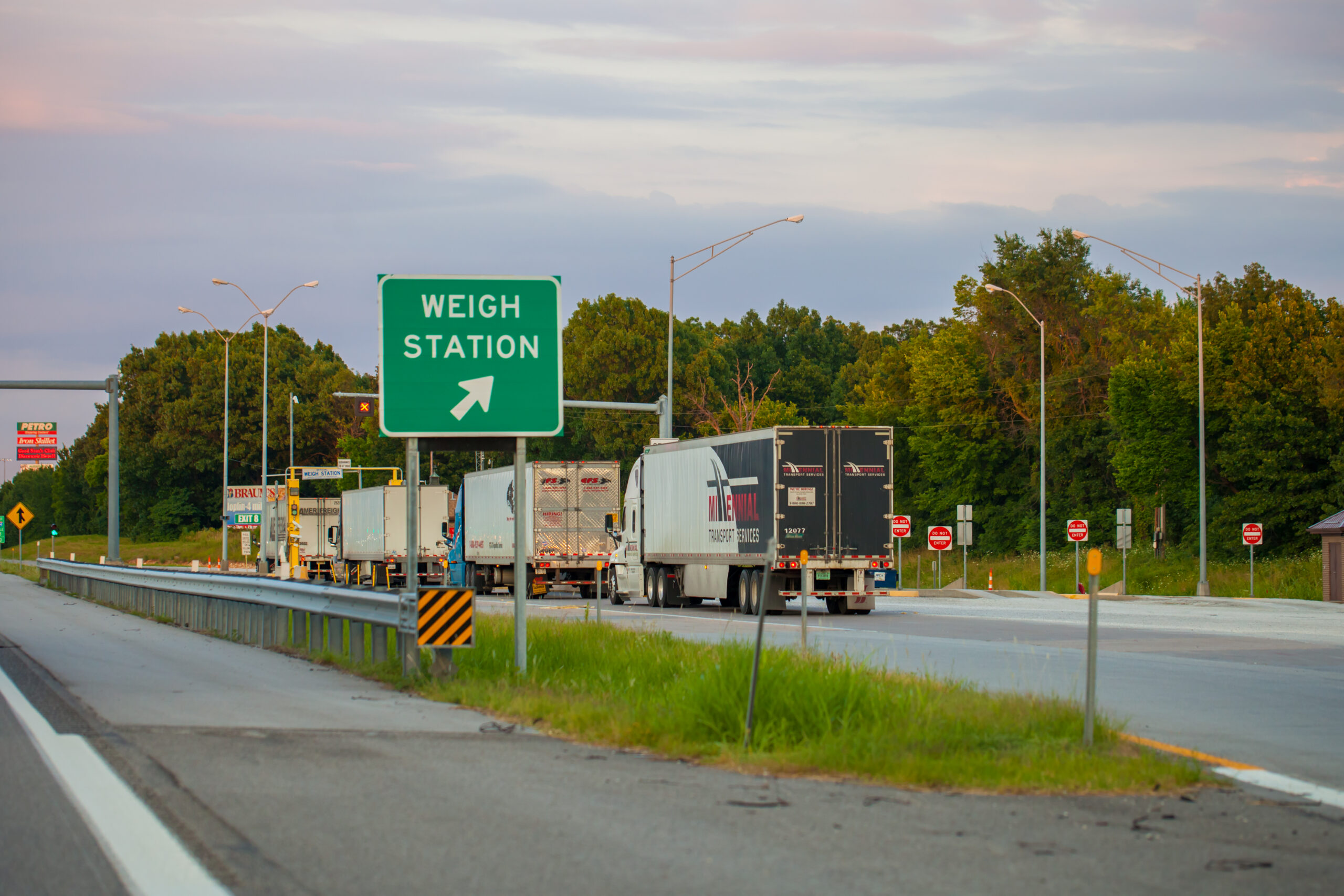
NORTH AMERICA – May 12, 2026 – The Commercial Vehicle Safety Alliance (CVSA) will conduct its annual International Roadcheck from May 12-14, 2026, with a pronounced emphasis on electronic logging device (ELD) tampering/falsification and cargo securement. This stringent 72-hour enforcement period will see CVSA-certified inspectors across North America meticulously examining commercial motor vehicles and drivers, aiming to curb two critical violation categories that consistently plague the industry and pose substantial safety risks. The intensive inspection campaign underscores a "back to basics" approach, targeting fundamental compliance failures that can lead to severe accidents and operational disruptions.
The Lingering Challenge of Non-Compliance
This sharpened focus is not arbitrary. ELD tampering and improper cargo securement remain perennial issues, generating tens of thousands of violations annually across the U.S., Canada, and Mexico. Data from the Federal Motor Carrier Safety Administration (FMCSA) consistently highlights these areas as leading causes of out-of-service orders and preventable accidents. For instance, in 2023, Hours of Service (HOS) violations, often linked to ELD manipulation, constituted a significant percentage of driver discrepancies, while cargo securement failures were cited in nearly 15% of all vehicle out-of-service violations during the previous Roadcheck. These statistics underscore a persistent systemic challenge within the trucking industry, compelling regulatory bodies to intensify enforcement efforts to safeguard public roads and ensure fairer competition.
Key Inspection Points and Carrier Preparedness Strategies
During the upcoming Roadcheck, inspectors will perform the rigorous North American Standard Level I Inspection. This comprehensive examination covers both driver and vehicle components. For drivers, this includes verifying commercial driver's licenses (CDLs), medical examiner's certificates, and, crucially, hours-of-service compliance as recorded by ELDs. Instances of manipulated or falsified ELD data will trigger immediate enforcement actions. On the vehicle side, the spotlight on cargo securement means inspectors will be checking tie-downs, securement devices, and overall load integrity, ensuring freight is properly distributed and secured to prevent shifting or falling. Carriers are advised to conduct pre-trip inspections with heightened scrutiny, focusing on these specific areas months in advance, and to thoroughly review driver training protocols related to ELD operation and cargo securement best practices.
Industry Impact: Operational Hurdles and Economic Repercussions
For the broader trucking and logistics sectors, the concentrated enforcement presents both operational hurdles and potential economic repercussions. Carriers found with critical violations, particularly those resulting in out-of-service orders, face significant delays, hefty fines, and increased insurance premiums. A single out-of-service truck can lead to missed delivery windows, contract penalties, and a damaged public perception. Industry analysts estimate that the cumulative cost of such disruptions could run into millions of dollars across the North American supply chain during the 72-hour period, disproportionately affecting smaller carriers with tighter margins. Furthermore, a poor safety record can negatively impact a carrier's Compliance, Safety, Accountability (CSA) scores, leading to more frequent roadside inspections and a higher regulatory burden.
Expert Insights: Proactive Compliance as a Competitive Edge
Transportation safety experts emphasize that proactive compliance is paramount. "Carriers should view this Roadcheck not as an obstacle, but as an opportunity to reinforce their commitment to safety and efficiency," states Dr. Evelyn Reed, a logistics and supply chain analyst at TransRisk Solutions. "Investing in robust ELD training, regular audits of HOS compliance, and advanced cargo securement technologies can significantly reduce violation risks. Forward-thinking carriers are already integrating AI-powered surveillance for cargo integrity and blockchain for immutable ELD data, positioning themselves ahead of the curve." She further notes that consistent training and education for drivers on the latest securement methods and ELD regulations are critical for minimizing human error, which is a leading contributor to violations.
Beyond Roadcheck: Long-Term Implications for Trucking Safety
The 2026 International Roadcheck's specific focus is a strong indicator of future regulatory trends. Regulatory bodies are increasingly leveraging technology and data analytics to pinpoint high-risk carriers and common violation trends. In the long term, this sustained emphasis could lead to more stringent regulations, increased adoption of advanced safety technologies, and potentially a recalibration of industry best practices regarding driver accountability and freight handling. Carriers that fail to adapt risk not only fines and operational interruptions but also a loss of shipper trust and market share. The industry is moving towards a future where continuous compliance monitoring and predictive safety analytics become standard, pushing all stakeholders towards a higher baseline of operational integrity. This Roadcheck serves as a critical annual barometer for the industry's progress in achieving these safety objectives.
Driving Towards a Safer Future: The Role of Technology and Training
The industry's response to these recurring challenges will largely dictate future safety outcomes. Beyond the immediate impact of the Roadcheck, there's a growing need for continuous investment in driver training programs that go beyond basic certification, focusing on advanced securement techniques for diverse cargo types and intricate ELD functionalities. Furthermore, the integration of smart trailer technologies, which can monitor load shifts and securement device tension in real-time, offers a promising avenue for proactive prevention. These technological advancements, coupled with a culture of uncompromised safety within organizations, are crucial for not only passing inspections but for fostering a truly safer and more efficient North American freight ecosystem, benefiting carriers, drivers, and the public alike.