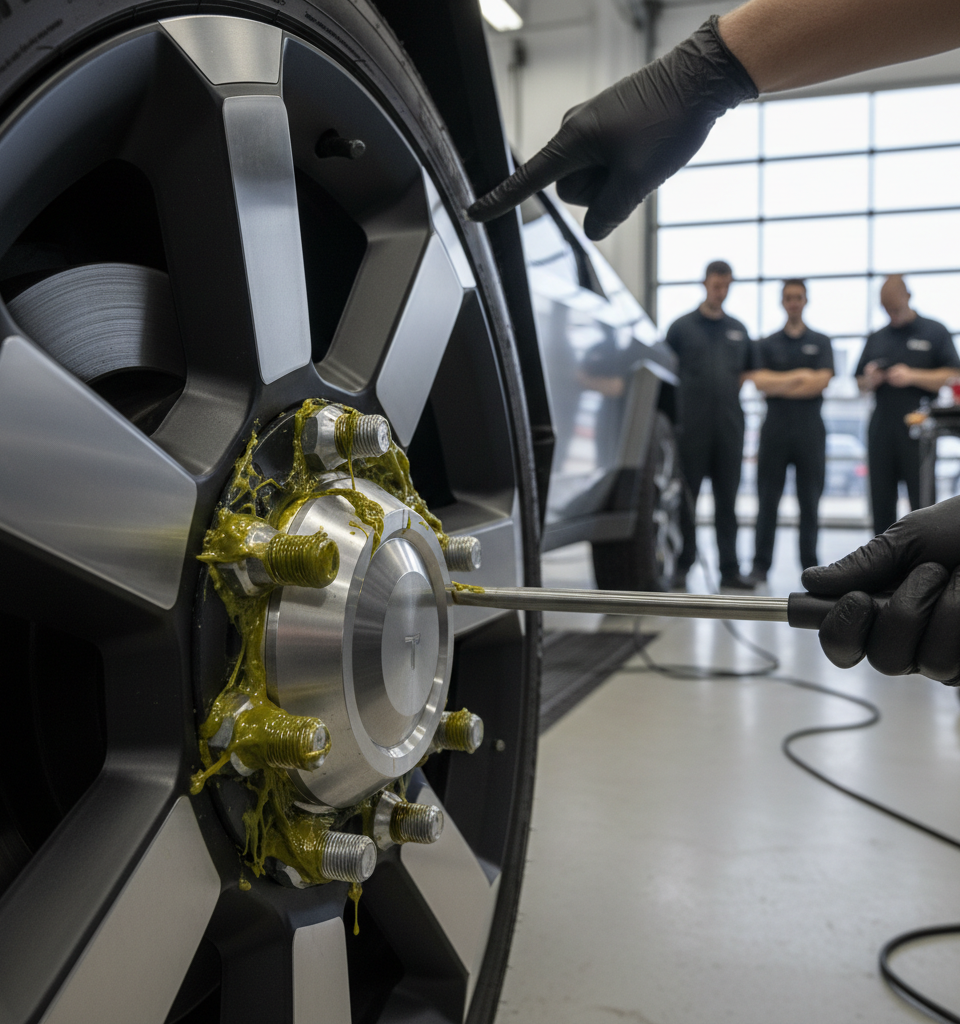
Tesla's highly anticipated Cybertruck is, once again, under scrutiny following a pressing recall notice concerning the potential for wheel detachment. This latest safety alert, marking the eleventh recall for the electric pickup since its rocky market debut, stems from a critical manufacturing flaw involving the application of incorrect grease and inadequately tightened lug nuts, which could compromise the vehicle's structural integrity and present a serious road hazard. The recall, impacting an unspecified number of recent production models, underscores persistent quality control challenges within Tesla's manufacturing processes, particularly as the company scales production of its boldly designed vehicle.
Context and Background
This eleventh recall is particularly alarming given the nature of the defect. While previous Cybertruck recalls have addressed issues ranging from accelerator pedal malfunctions to software glitches, a wheel detaching from a moving vehicle poses an immediate and severe risk of accident, injury, or even fatality. The Cybertruck, envisioned by CEO Elon Musk as a revolutionary force in the automotive industry, has been plagued by production delays, design criticisms, and now, a growing litany of quality control problems. This current issue echoes broader concerns about Tesla's rapid innovation cycles often outpacing its operational execution, a sentiment frequently voiced by industry analysts and consumer advocates alike. The vehicle, which began customer deliveries late last year, has struggled to establish the unblemished safety record typically expected of a premium vehicle manufacturer.
Key Details
The National Highway Traffic Safety Administration (NHTSA) is expected to formalize details of the recall shortly, though Tesla has already begun notifying affected owners. Preliminary reports indicate the problem originates from an assembly line oversight where an incorrect type of grease was used during the mounting of the wheel hub assembly. This grease, incompatible with the specified torque settings, may cause the lug nuts to gradually loosen over time, eventually leading to a complete separation of the wheel from the vehicle chassis.
While the exact number of affected vehicles has not been publicly disclosed, industry sources suggest hundreds, if not thousands, of Cybertrucks could be impacted. Affected owners are being advised to immediately contact Tesla service centers for inspection and repair, which will involve proper cleaning of the wheel studs, application of the correct lubricant, and retorquing of the lug nuts to manufacturer specifications. The repair is anticipated to be free of charge, consistent with recall protocols.
Industry and Market Impact
This recurring pattern of recalls for the Cybertruck could significantly erode consumer confidence, impacting not only the Cybertruck's sales trajectory but potentially casting a shadow over Tesla's broader brand image. In a highly competitive electric vehicle market, where reliability and safety are paramount, such high-profile defects can lead to substantial financial repercussions, including decreased demand, warranty claims, and potential legal liabilities. Competitors, particularly established automakers investing heavily in their own electric truck offerings, may leverage these incidents to highlight their own rigorous quality assurance processes. For Tesla, which has historically relied on its pioneering status and charismatic leadership, consistent quality issues could prove to be a more formidable long-term challenge than direct market competition.
Expert Perspective
Automotive safety experts and market analysts have expressed growing concern., Dr., the University of Mobility Studies].
"The wheel detachment issue points to fundamental breakdowns in quality control that go beyond mere software patches. This isn't a 'nice-to-have' fix; it's central to vehicle safety and structural integrity. " Analysts from firms like Wedbush Securities, while generally bullish on Tesla's long-term prospects, might flag these recurring quality issues as potential headwinds against the company's valuation, especially if they lead to prolonged production pauses or significant reputational damage.
The cost of rectifying these recalls, including parts, labor, and potential goodwill gestures, could run into millions of dollars.
What's Next
Tesla is expected to accelerate its outreach to Cybertruck owners and expedite the recall repair process. The company is under increasing scrutiny from regulatory bodies, and a swift, transparent response will be crucial to mitigate further damage. Moving forward, the focus will be on whether Tesla can demonstrate a sustained improvement in its manufacturing quality, particularly for such an innovative and high-profile vehicle. Investors and customers alike will be watching closely for signs that these issues are isolated to early production runs or if they represent deeper, systemic challenges within the company's ambitious production ramp-up. The long-term success of the Cybertruck, and potentially Tesla's reputation as a reliable mass-market automaker, hinges on its ability to overcome these significant quality hurdles and restore public trust.