The persistent threat of foodborne illnesses, particularly those affecting fresh produce, poses a significant and escalating challenge for global supply chains and agricultural exporters. Businesses reliant on international sourcing must now factor in not only direct costs and logistics but also the profound and rapid shifts in consumer confidence that can decimate demand for entire product categories. The ripple effects of such health scares extend far beyond immediate sales, influencing long-term sourcing strategies and the imperative for robust, transparent safety protocols across borders.
Consumer Behavior Shift
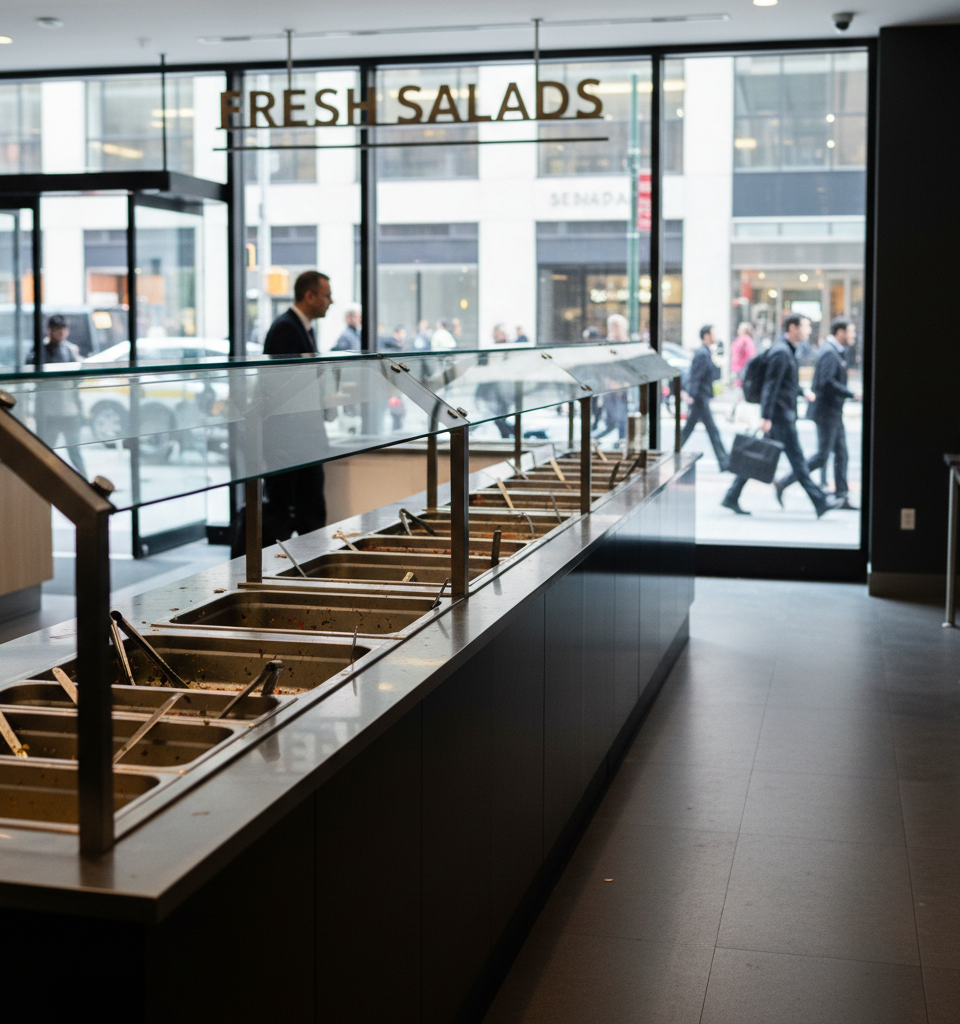
Ongoing cyclospora outbreaks are noticeably impacting consumer behavior across the United States, leading to a significant drop in traffic to restaurants specializing in salads. This apprehension over contaminated greens is fundamentally reshaping dining choices, particularly evident within the fast-casual segment where fresh, customizable salads have long been a staple. The current situation highlights a growing public sensitivity to food safety, with consumers increasingly wary of produce-centric menu items in the wake of recurring health alerts.
The Cyclospora Threat
Cyclospora, a microscopic parasite, causes an intestinal infection known as cyclosporiasis. Symptoms can include watery diarrhea, loss of appetite, weight loss, abdominal cramps, bloating, nausea, and fatigue. Outbreaks are often linked to fresh produce, particularly leafy greens, berries, and herbs, that have been contaminated in the supply chain. These incidents typically occur when produce comes into contact with contaminated water or feces during cultivation, harvesting, or processing. The challenge in mitigating these outbreaks lies in the often-global and complex nature of produce sourcing, making it difficult to pinpoint the exact origin of contamination quickly.
Impact on the Food Service Industry
Restaurant operators, particularly those whose business models are heavily reliant on fresh produce, are confronting a challenging landscape. Salad bars and eateries promoting healthy, fresh meals are experiencing the brunt of this consumer retreat. The observed drop in traffic suggests that even establishments with strong reputations for quality are not immune to the broader public's loss of confidence in salad products. This trend forces a re-evaluation of menu offerings, sourcing practices, and marketing strategies to reassure a skeptical public. The long-term implications could see a lasting shift in consumer preferences away from raw, ready-to-eat produce unless robust and visibly effective safety measures are implemented and communicated.
Broader Market Implications
The ripple effect of these cyclospora concerns extends beyond individual restaurants to the wider agricultural sector and food supply chain. Growers, distributors, and retailers of fresh produce face increased scrutiny and potentially reduced demand for affected categories. The economic consequences for these segments could be substantial, particularly for those specialized in leafy greens or mixed salad blends. This situation underscores the critical importance of stringent food safety protocols from farm to fork and the necessity for rapid, transparent communication during foodborne illness events to manage public perception and mitigate economic damage.
Industry Response and Future Outlook
In response to declining consumer confidence, some establishments are likely to increase their emphasis on cooked vegetables or pivot towards alternative menu items less susceptible to contamination concerns. There will also be heightened pressure on the produce industry to adopt and promote advanced tracing technologies and enhanced sanitation practices. The current outbreaks serve as a stark reminder of the ongoing challenge of ensuring food safety in an increasingly globalized food system. The industry is expected to invest further in preventative measures, quality control, and crisis communication strategies to restore public trust. Without effective action, the trend of consumers losing their appetite for salads could become a more permanent fixture in the dining landscape.